A 1966 booklet of specifications, a 2005 start-up that shows what others paid and a 1977 Thames Valley classifieds paper: three routes to the modern car-shopping site.
Edmunds began as printed specification booklets in 1966 and became a price and review website, TrueCar started in 2005 as a platform showing what buyers actually paid, and Autotrader grew from a 1977 classified magazine into a British online marketplace that stopped printing in 2013.
The printed Autotrader magazine sold an average of 27,000 copies a week by March 2013, down from 87,000 only eight months earlier, and the last issue came out that June after thirty-six years. The company that began as Thames Valley Trader now sits in the FTSE 100, and it is one of three car-shopping names with very different roots.
How did Edmunds go from booklets to a website?
Ludwig Arons founded Edmunds in 1966 as Edmunds Publications, which printed booklets gathering car specifications to help shoppers decide what to buy. Peter Steinlauf bought the company in 1988, and his family has held a majority stake ever since.
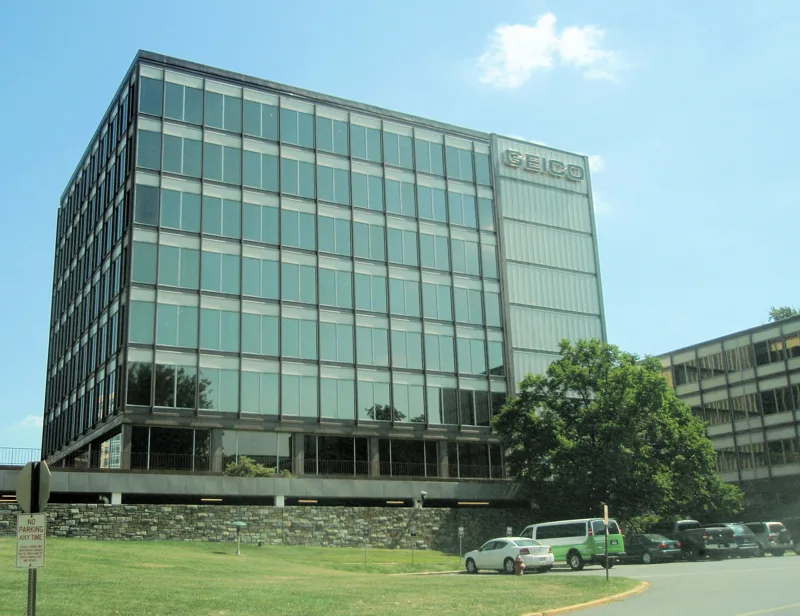
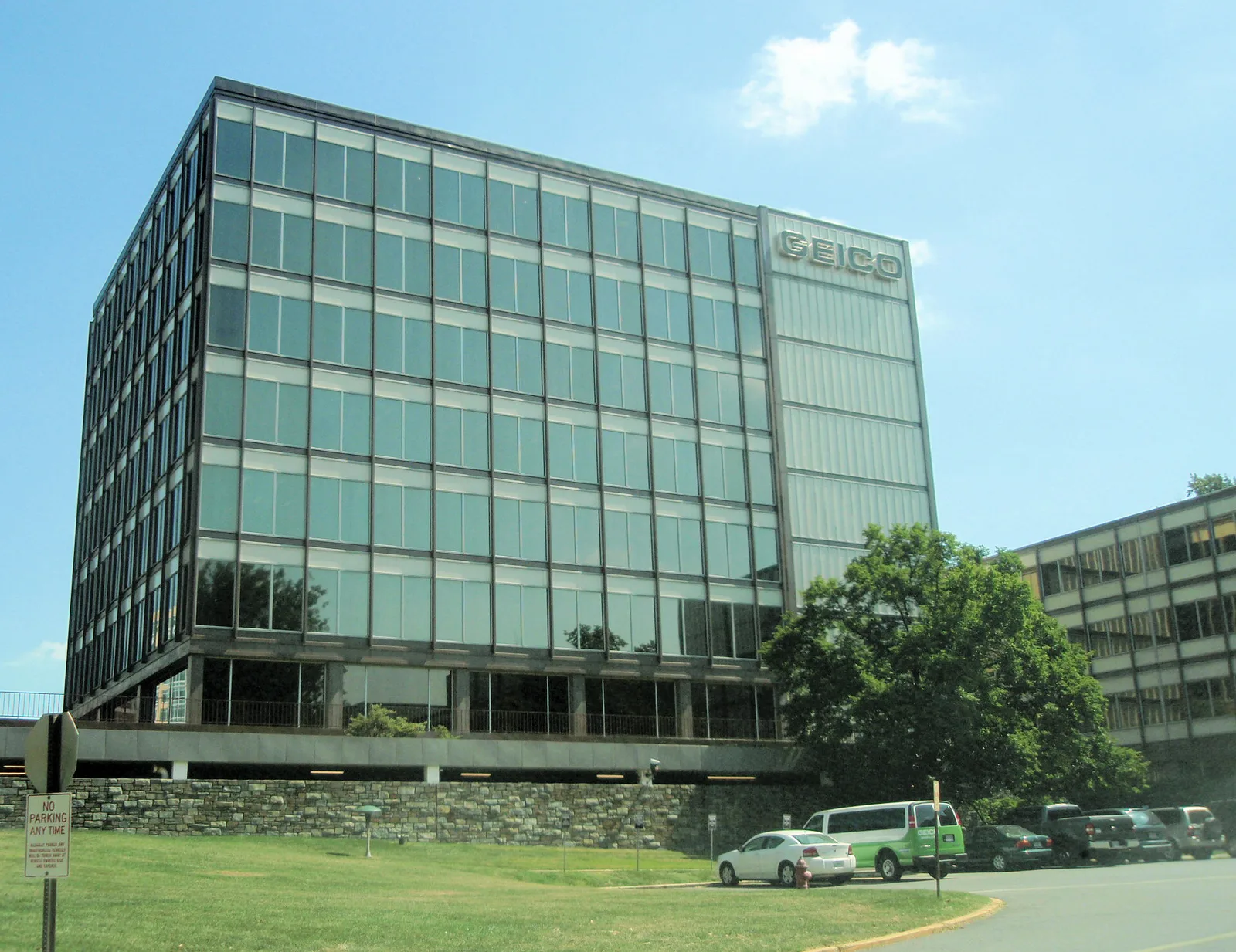
The 1990s took it from paper to screens. Edmunds put its data on CD-ROM and published guides to new cars and trucks, used cars and trucks and smart buying strategies. In 1994 it posted on a gopher site called the Electronic Newsstand, and the Edmunds.com website launched in 1995. By 1996 it had web commerce agreements with Autobytel, a site that links buyers to nearby dealers, and with the insurer Geico, and it earned a fee each time the site generated a lead. The company became Edmunds.com, Inc. in June 1999.
Pricing data became its calling card. In 2000 Edmunds introduced True Market Value, which weighs a range of factors to suggest a transaction price, and in the same year it built simple websites for web-ready phones and handheld organisers. Its first mobile apps followed in 2010, a decade after the mobile website. A used-car inventory search tool arrived in 2011, two years after a similar tool for new cars, letting users compare vehicles in their own market.
One began as a booklet of specifications, one as a start-up that publishes what other buyers paid, and one as a Thames Valley classifieds paper.
What did Edmunds add after the website?
Television advertising, events and a price guarantee. Edmunds ran its first TV campaign in select markets in 2012 and went national in 2013, the year it announced the Edmunds Price Promise, an online price guaranteed by a local dealer.
In 2005 it had launched Inside Line, a free online magazine of videos, photos, blogs, news, forums and road tests that ran until 2013. It announced a hackathon in September 2012; the first Hackomotive, in March 2013, gave winners a combined $28,000, and the event ran from 2013 to 2015 before a year off. In 2014 the company bought CarCode, a mobile messaging start-up that had won a Hackomotive challenge, and launched Car Week, a seven-day event linking dealers with buyers at prices below True Market Value.
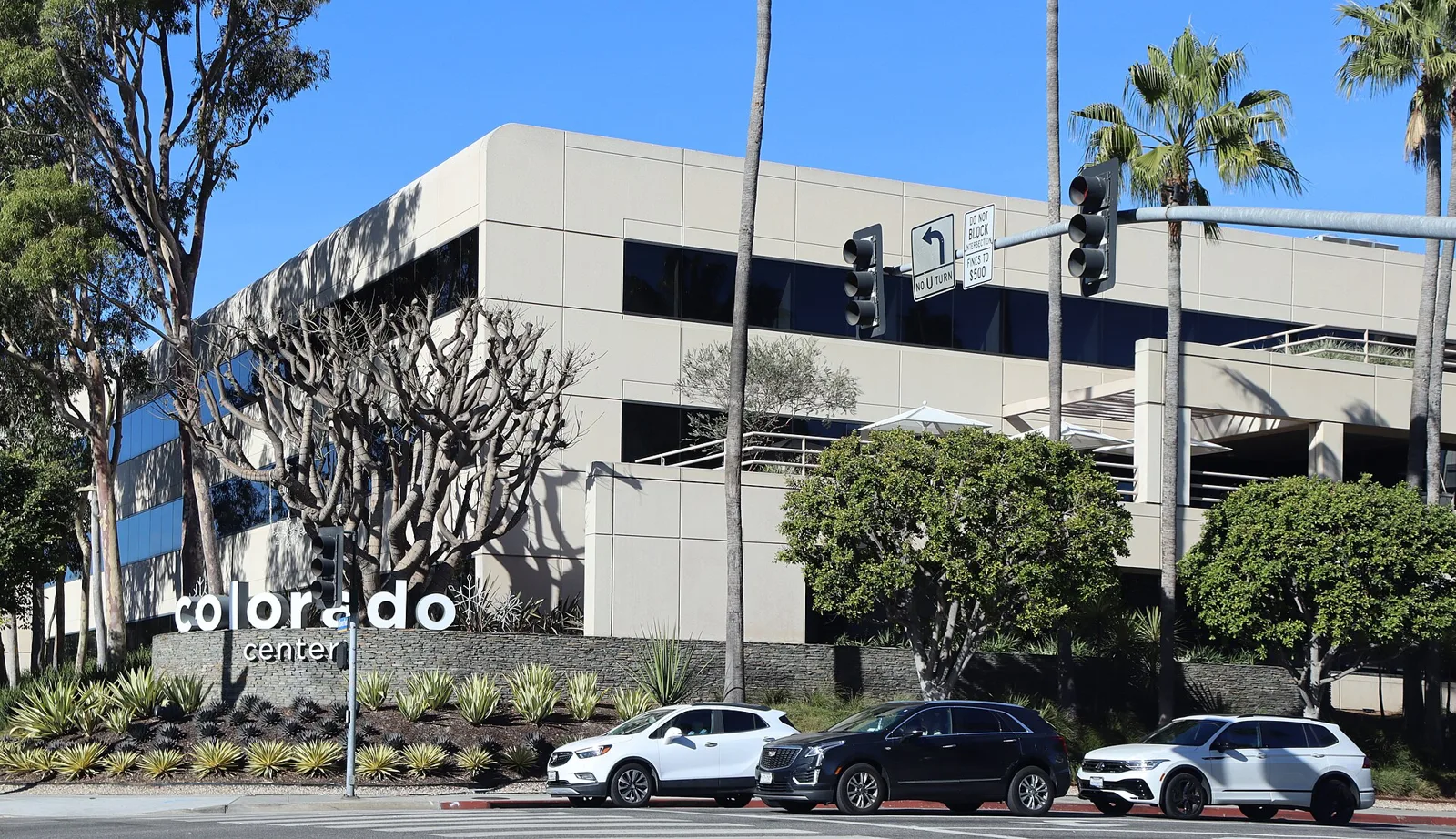
The headquarters moved to the Colorado Center in Santa Monica in 2016, and in 2017, as part of a rebrand, the company shed .com from its name, showed a new logo and rebuilt the site for mobile users. Its expert reviews rest on testing at a private facility, and alongside the Santa Monica headquarters it keeps a satellite office in downtown Detroit. The site lists new and used prices, listings of dealers and stock, a database of incentives and rebates both national and regional, test drive reviews and advice on buying and owning a car. Its New Vehicle Calculator shows the estimated average price consumers pay, and its Used Vehicle Appraiser estimates real transaction prices for cars sold by dealers and private parties.
Who owns Edmunds today?
CarMax. It first invested for a minority stake and then bought the remaining shares in 2021, at an enterprise value of $404 million. A 2020 partnership had already let Edmunds users get a cash offer with no obligation, redeemable at any CarMax location.
Edmunds took a Webby in the Money category at the inaugural ceremony, in 1997, and has appeared in best-employer rankings from The Wall Street Journal and the Los Angeles Business Journal. Fast Company placed it among the top 10 most innovative companies in automotive in 2015, and in 2016 Fortune ranked it 26th among small and medium companies.
How did TrueCar begin?
It started life in February 2005 as Zag.com Inc., incorporated in Delaware by Scott Painter and Tom Taira. Their aim was to supply white-label auto-buying programmes to affinity groups, and Capital One was the first partner, for financing, upfront pricing and inventory searches.
Jim Nguyen, Oded Noy and Bernie Brenner are listed among other co-founders. Painter and Taira, a year into development, unveiled TrueCar at TechCrunch's Startup Battlefield in 2008 as a company separate from Zag.com, and the two merged in 2010. TrueCar collects retail transaction data from thousands of sources so that consumers can see what is paid for any vehicle in the United States. In January 2011 it added ClearBook, an index that analyses used cars the way it had new ones, and in May it bought Honk.com, a social car-shopping platform backed by News Corp.
Why did regulators and dealers push back on TrueCar?
A television campaign in late 2011 drew a backlash from the car industry, and several state agencies and regulators told TrueCar that its practices were noncompliant with some state laws. The company reworked its pricing in response.
In some states it shifted dealers from paying per sale to a subscription adjusted for performance. In August 2011 it bought ALG, which provides information on future residual values, and in January 2012 it signed a $150 million, exclusive three-year deal with Yahoo!, replacing that portal's automotive services with its own. The company listed on NASDAQ under the ticker TRUE on 16 May 2014. Its marketing reached beyond cars: in 2012 it launched the first all-female racing team, backed by Penske Media Corporation and Dragon Racing, and the Virgin Group announced its support for TrueCar's Women Empowered initiative.
Legal fights continued. In 2015, 108 dealerships sued, accusing it of false advertising about its no-haggling policy and of breaking the Lanham Act, and a federal judge dismissed the case four years later. The California New Car Dealers Association had also sued in 2015 over the billing model, and the two settled in December 2017 with TrueCar agreeing to change how it billed in California. Chip Perry, a former AutoTrader.com chief executive, replaced Painter as chief executive in 2015, and in July 2017 the dealership network was reported to be growing by more than 24% quarterly, year on year.
What happened to TrueCar after 2019?
A run of setbacks. Disappointing first-quarter results in 2019 were followed by the resignations of chief executive Perry and three other senior executives, and some investors sued the company for misleading shareholders.
In May 2020, four months after a new brand identity and redesign, TrueCar announced a programme for active military members to offset the loss of the USAA Car Buying Service, along with a restructuring that cut 30% of its workforce. It then had over 250 affinity partners. On 14 June 2023 chief executive Michael Darrow resigned after four straight years of declining results, and chief financial officer Jantoon Reigersman took over and laid off 24% of employees. On 21 January 2026 Fair Holdings, Inc. completed a take-private purchase. The investor group behind it is led by co-founder Painter, and Zurich North America and AutoNation are among its partners.
How did Autotrader grow from Thames Valley Trader?
John Madejski, Paul Gibbons and Peter Taylor founded it in 1977 as Thames Valley Trader. It was rebranded Auto Trader in 1988, and a second title, Southern Auto Trader, followed. The website Autotrader.co.uk launched in 1996.
Ownership changed often. BC Partners bought a stake from Madejski in July 1998, and in May 2000 Guardian Media Group, which had owned Automart since 1982, merged that business with Hurst Publishing to create Trader Media. Apax Partners bought the business from Guardian in January 2014, the name changed from Trader Media Group to Auto Trader in March 2014, and a March 2015 stock market flotation valued it at around 2 billion pounds, initially in the FTSE 250. The company is listed in London under the ticker AUTO and is now in the FTSE 100.
How did Autotrader move online?
In stages, starting with a mobile website in 2002 that used the WAP protocol. A .mobi site arrived in July 2008, handset-specific versions in July 2009 and, from March 2010, applications for iOS, Android and Windows Mobile that used augmented reality to search for vehicles.
Dealers did not always welcome the fees. In April 2011 the Motor Traders Advertising Union launched a petition and proposed a mass pull-out over a rise in the price of advertising a car from 7 pounds to 8.50 pounds before bulk discounts. Meanwhile print was fading: circulation dropped to an average of 87,000 a week by July 2012 and 27,000 by March 2013, and the last printed editions appeared in June 2013. In October 2013 its South African subsidiary was sold to become an independent company.
Recent years brought data work and public roles. By 2020 it had built a data lake and intelligence platform using Amazon Web Services and Google's Looker, with a data academy for employees, and it gave retailers four months of free advertising during the pandemic. Since 2022 it has shared used-car pricing data with the Office for National Statistics for official inflation measures including the Consumer Prices Index, and in the same year it bought Autorama, owner of Vanarama, a large marketplace for leasing new vehicles. The company became Autotrader Group plc on 14 January 2026.
How the three sites compare
| Site | Began | Based | What it does | Latest ownership |
|---|---|---|---|---|
| Edmunds | 1966, as a publisher of printed booklets | Santa Monica, California | Prices, reviews, listings, incentives and advice | Remaining shares bought by CarMax in 2021 |
| TrueCar | 2005, as Zag.com | Santa Monica, California | Shows what others paid and connects buyers with dealers | Taken private by Fair Holdings, announced 21 January 2026 |
| Autotrader | 1977, as Thames Valley Trader | United Kingdom | Online marketplace where retailers pay to advertise cars | Listed on the London Stock Exchange, ticker AUTO |
How does the Autotrader marketplace work?
Buyers and sellers trade cars and other vehicles there, and dealerships advertise new and used stock to consumers. Retailers pay to advertise, and consumers pay a fee as well unless the transaction is under 1,000 pounds.
The website ranked first in the UK vehicles category and eighth globally in January 2024, according to Similarweb. As of May 2026 its mobile app was rated 4.8 out of 5 on both the Apple App Store and Google Play. It also runs a YouTube channel of car reviews, comparisons, drag races and buying guides, fronted by Rory Reid, who joined as YouTube Director in December 2019.
Where this goes next
Autotrader launched Deal Builder in mid 2025 to link online and offline journeys, letting buyers tack on a part exchange, seek finance and reserve a car. When it made the tool non-optional for advertising dealers in November 2025, many dealers reacted by removing their vehicles from the marketplace.
TrueCar enters its next phase as a private company under Fair Holdings, and Edmunds continues as part of CarMax.