An Indianapolis 500 prize whose original the winner never takes home, the oldest race trophy in the world, a magazine's year-end honours and a ceramic Ferrari given for how a driver races.
The Borg-Warner Trophy goes to the Indianapolis 500 winner, the RAC Tourist Trophy is the world's oldest car race award from 1905, the Autosport Awards are a magazine's annual honours since 1982, and the Lorenzo Bandini Trophy rewards how a Formula One figure achieved success.
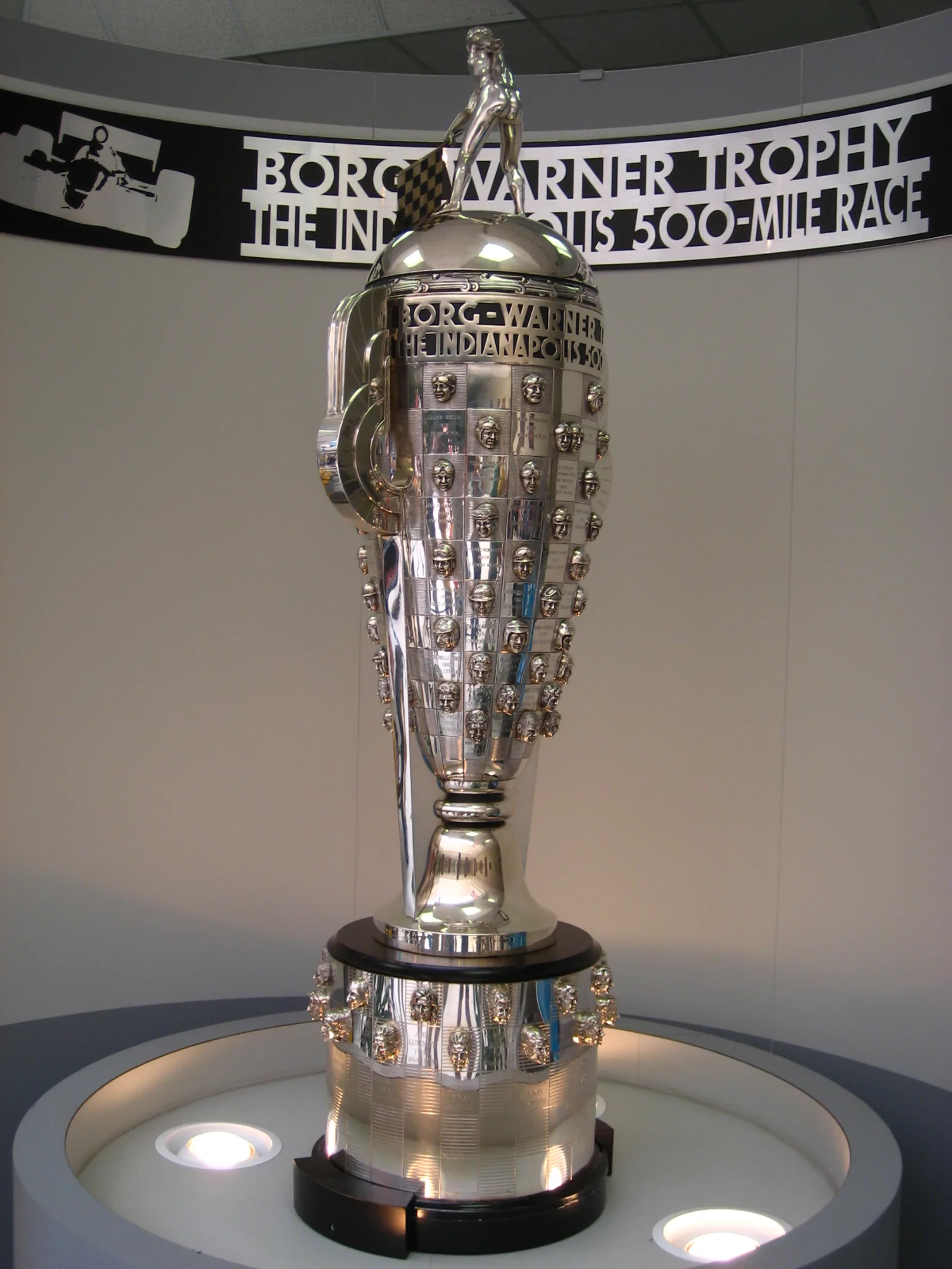
The winner of the Indianapolis 500 never gets to keep the Borg-Warner Trophy. The sterling silver original, with the face of every champion since 1911 sculpted into it, stays in a museum in Speedway, Indiana, and the driver takes home a smaller copy. It is one of four racing honours with very different ideas of what deserves a trophy.
Who gets the Borg-Warner Trophy?
The Borg-Warner Trophy is the prize for winning the Indianapolis 500. It is named for BorgWarner, the automotive supplier that commissioned it, and it lives permanently at the Indianapolis Motor Speedway Museum. It was unveiled at a 1936 dinner hosted by Eddie Rickenbacker, then the Speedway's owner, and declared the annual prize for the race's winners. Louis Meyer, the champion that year and its first recipient, compared the honour to an Olympic medal.
Before it, other prizes had been used. The Strauss Trophy, first awarded in 1919, once went to the winner, and the Wheeler-Schebler Trophy went to whoever led at the 400-mile mark until it was retired because car owner Harry Hartz had claimed it three times. Felix Rosenqvist won the 2026 race and is the current champion.
The Indianapolis 500 winner gets a replica; the original stays at the Speedway museum.
How is the Borg-Warner Trophy built?
In 1935 BorgWarner paid $10,000 for the designer Robert J. Hill and the Rhode Island firm Gorham, Inc., of Providence, to make it. Today it is insured for more than $1.3 million. The trophy is sterling silver, just under 5 feet 4 inches (163 cm) tall and nearly 153 pounds (69 kg). Its body is hollow and the dome-shaped top can be removed.
Each winner appears as a high-relief likeness, set in a checkerboard pattern with panels carrying the driver's name, year and average speed, an arrangement that evokes a checkered flag. A figure waving a checkered flag crowns the top, and a gold likeness of Tony Hulman, who owned the Speedway from 1945 to 1977, sits on the base.
From 1936 to 1985 it appeared in its original form, with room for 70 winners that would run out after the 1986 race. A base was added in 1986, much like the Stanley Cup, and in 2004 a new, larger one replaced it. There is now space for every winner through 2033. Refurbishments took place in 1991 and 2004. Since 1990 the sculptor William Behrends has made the likenesses, and he also made the Willie Mays statue outside Oracle Park, San Francisco.
The 1936 original carried faces for all winners from 1911 to 1935 except 1917 and 1918, when World War I stopped the race. John Grawe sculpted 24 likenesses covering the first 23 races, including two co-winners in 1924. Twenty-two wore helmet and goggles, while Joe Dawson (1912) and Tommy Milton (1921) were bare-headed. Ray Harroun, the 1911 winner, sits in the centre of the first row.
Fashions changed on the silver. Most likenesses up to 1970 had open-face helmets, most dropped goggles by 1946, and Sam Hanks in 1957 was the last with goggles. Al Unser in 1970 was the last with a helmet, and his 1971 likeness showed natural hair. Repeat winners always get a fresh sculpture. Bobby Rahal's 1986 face originally wore tiny wire glasses, which fell off and broke when the trophy was bumped in 1993, the year Rahal failed to qualify. They were repaired and later removed after he switched to contact lenses, whereas Tom Sneva insisted on keeping his glasses, and they remain.
What is a Baby Borg?
The winner gets the Indianapolis 500 Champion Driver's Trophy, an 18-inch (460 mm) replica nicknamed the Baby Borg, which has been given since 1988. Presentation normally happens the next January, at a reception on the Speedway grounds or occasionally at Detroit's North American International Auto Show, which is close to BorgWarner's base. Before 1988 winners received a 24-inch (610 mm) model on a walnut plaque.
From the 1997 race a second Baby Borg went to the winning car owner or owners, as the Champion Owner's Trophy, identical but for a round base. The main trophy's bas-relief faces are not copied onto the replicas, though sometimes a duplicate of the winner's likeness is fixed to the driver's base.
There are some touching stories. In 2011 Dan Wheldon was fatally injured before receiving his, and his widow Susie accepted it in his honour. Since 2013, beginning with Parnelli Jones, the Speedway has given living winners without a Baby Borg a copy on the 50th anniversary of their win, and Mario Andretti and Al Unser Sr. followed in 2019 and 2020. Bobby Unser received his in 2003 in a surprise during the celebration for 2002 winner Helio Castroneves. Gordon Johncock got two in 2021 to represent his wins in 1973 and 1982, and A. J. Foyt received a driver's version in 2022 with one of his four wins on each side. In 2023 Behrends was given one to mark his work on the last 33 winners.
The faces on the replicas have been playful. Parnelli Jones appeared in 2013 in the cowboy hat he wore through his season, and in 2019 Simon Pagenaud's replica included his Jack Russell Terrier, Norman, after fan requests, with BorgWarner donating to the Humane Society of Indiana. The big trophy travels too. It went to Japan in 2017 with Takuma Sato and was displayed in Sweden after Marcus Ericsson won in 2022.
What strange stories surround the Borg-Warner Trophy?
Track historian Donald Davidson tells of a Butler University student in the 1930s who was left in charge of the trophy before race day. He tucked it under his bed and went out for the evening, then came back to find it gone. After a frantic search he discovered it in the fraternity house basement, with a crowd of men drinking beer out of it, 115 beers in all. Trying to get rid of the smell, he took the trophy into the shower with him.
Johnnie Parsons, the 1950 winner, had his first name engraved as Johnny. The error shows in the MGM film To Please a Lady, shot that year. When the trophy was restored in 1991, handlers proposed fixing it, though Parsons had died seven years before, but they chose to leave the misspelling as part of its lore.
Until 1985 a handler hoisted the trophy on the car's roll bar behind the driver, and one person could carry it. The 1986 base made it too heavy and unstable, needing at least two men to balance it, and since about 2004 it has stayed off the car. In 2012, when the DW-12 chassis arrived, a special platform was built that slots in behind the rear wheels, beneath the rear wing, so the trophy sits visibly in victory lane again. In May two or more safety patrol workers guard it, and it is polished several times to a glossy finish. It has appeared in films, among them Winning (1969) with Paul Newman and Turbo (2013) with Ryan Reynolds.
What is the Tourist Trophy?
Also known as the International Tourist Trophy, the RAC Tourist Trophy was handed out by the Royal Automobile Club to the overall winner of a British motor race. It dates from 1905 and is described as the oldest automobile race anywhere. The 18-carat gold trophy copies Giambologna's statue of the god Hermes.
Many series have carried it: the World Sportscar Championship, touring car titles at world, European and British level, the FIA GT Cup, the FIA GT Championship and the FIA GT1 World Championship, and the British GT Championship for its overall winners in 1999, 2000, 2003 and 2004. From 2013 it has gone to the overall winners of the Silverstone round of the FIA World Endurance Championship.
The race was devised in 1904 by senior figures at the Automobile Club (Great Britain and Northern Ireland), who saw demand for a contest to push forward the design and performance of cars meant for the road. The first running was on the Isle of Man in 1905, and it stayed there until 1922. A newspaper article by the journalist Wallace McLeod in Belfast suggested Northern Ireland, and inventor Harry Ferguson helped the RAC find a venue, so in 1928 it moved to the public roads of the Ards Circuit.
Donington Park hosted the next two races in 1937 and 1938, after a Riley crash in 1936 cost eight spectators their lives and hurt 25 more. Postwar, it went back to Northern Ireland, to the shorter Dundrod Circuit, until a crash in 1955 that killed three competitors made the local authorities ban car racing there. From then on it has used permanent circuits instead of closed public roads.
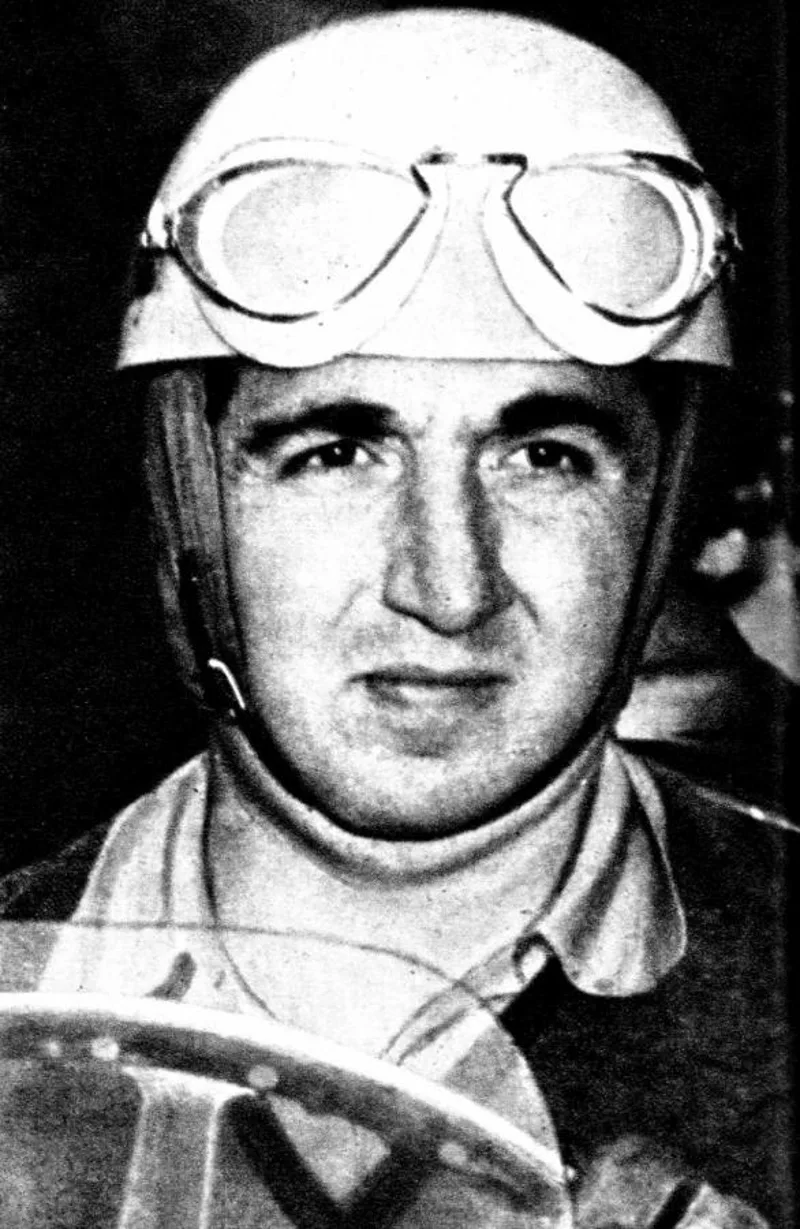
John Napier won the first race in 1905 in an Arrol-Johnston. Frenchman Jean Chassagne, in a Sunbeam, was the first non-British winner in 1922. In 1933 Tazio Nuvolari added the Tourist Trophy to a win at Le Mans that same season, the first driver to take both.
Disqualifications have settled the result three times. In 2010 Nissan's Jamie Campbell-Walter and Warren Hughes inherited the win when Aston Martin's Darren Turner and Tomas Enge lost it over excess wear on their car's plank. In 2016 Audi's Marcel Fassler, Andre Lotterer and Benoit Treluyer were excluded for a skid block infringement, which moved Marc Lieb, Neel Jani and Romain Dumas of Porsche up to first. In 2018 two Toyota TS050 Hybrids failed a post-race test and Rebellion Racing's Mathias Beche, Thomas Laurent and Gustavo Menezes took the victory. The last winners were Mike Conway, Kamui Kobayashi and Jose Maria Lopez for Toyota.
What are the Autosport Awards?
The Autosport Awards, run by the British motorsport magazine of that name, honour drivers, constructors, executives and promoters for their seasons in racing and rallying. Some are decided by a readers' poll and the others by a panel of experts. They have been presented every year since 1982. In 1982 the magazine asked readers to vote on eight categories, among them the International Racing Driver, International Rally Driver and British Competition Driver awards, plus separate national racing and rally awards.
The first in-person ceremony came in 1988. Until 2023 the ceremony was normally in December at Mayfair's Grosvenor House Hotel. For 2024 the venue changed to the Roundhouse in Camden, and the ceremony took place in January 2025. In 2024 there were 12 categories, four chosen by popular vote and the rest by a panel including Autosport journalists.
Some categories are long-lived. The International Racing Driver and International Rally Driver awards date from 1982, as do International Competition Car of the Year and British Competition Driver of the Year. The Silverstone Autosport BRDC Award began in 1989, Rookie of the Year in 2000 and the Pioneering and Innovation Award in 2004. Newer additions include Brand Partnership of the Year and Promoter of the Year in 2023, and Person of the Year and F1 Academy Rising Star in 2024. National Driver of the Year was formed in 2008 by merging the racing and rally categories, and the Paul Warwick Memorial Trophy goes to its winner. International Competition Car of the Year came from merging the racing car and rally car awards in 2023.
Other awards have come and gone, including British Club Driver of the Year, the John Bolster Award for Technical Achievement, the Gregor Grant Award, Rider of the Year, the Sportsman Award, the esports awards, Williams Engineer of the Future and the Gold Medal Award.
What is the Lorenzo Bandini Trophy?
The Lorenzo Bandini Trophy, in Italian the Trofeo Lorenzo Bandini, is an annual award for an individual or team's achievements in Formula One. It is named after Lorenzo Bandini, the Italian driver who died three days after a major crash at the 1967 Monaco Grand Prix left him badly burned. Francesco Asirelli and Tiziano Samore of the Brisighella commune established it in 1992.
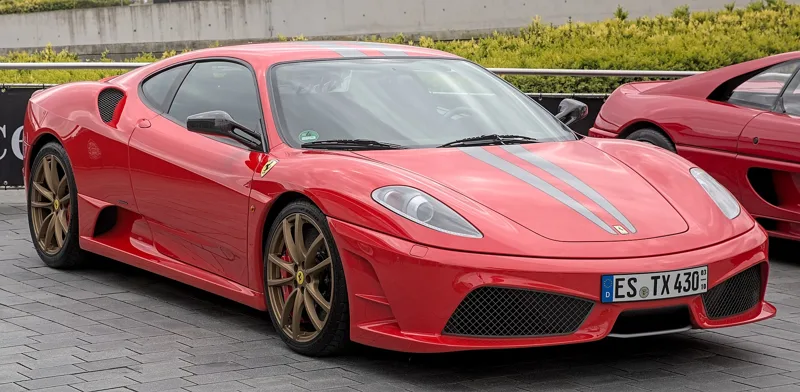
The prize is a ceramic replica of Bandini's Ferrari 312/67 carrying the number 18, made by the ceramist Goffredo Gaeta. It rewards commendable performance in motorsport, judged not on race results but on how success was achieved, and on the recipient's character and approach to racing. Winners are honoured for the previous year in Brisighella, Bandini's home town in Emilia-Romagna, at a ceremony staged by the Associazione Trofeo Lorenzo Bandini.
A panel of 12 judges, drawn from motor racing journalism and former Formula One team staff, chooses the recipient. Earlier the residents of Brisighella voted. Ivan Capelli was the first winner in 1992, nothing was awarded in 1993 or 1994, and each recipient can win only once so that others get a turn.
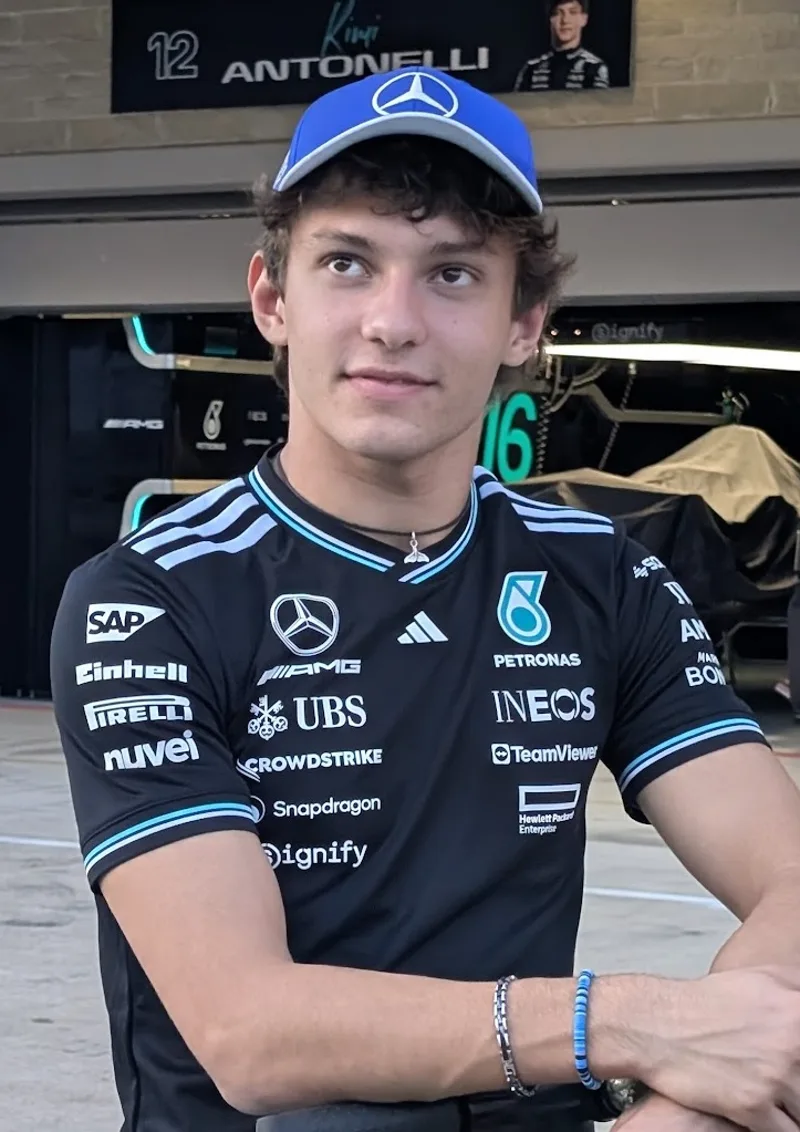
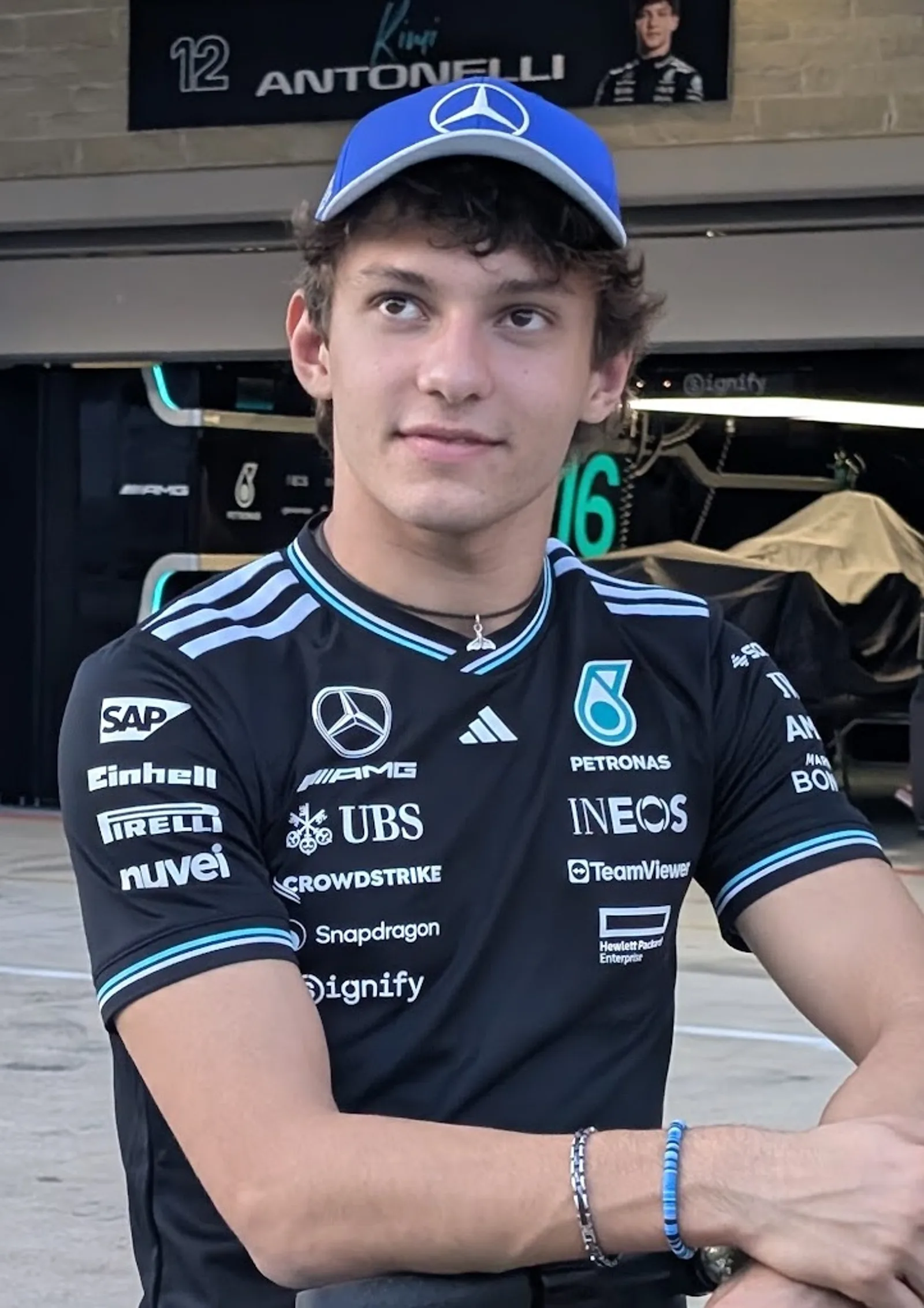
Mostly it goes to drivers, but four team members have received it: Ferrari president Luca di Montezemolo in 1997, vice-chairman Piero Ferrari in 2013, and Formula One chief executive Stefano Domenicali and Aprilia MotoGP chief executive Massimo Rivola in 2021, the only two to share the award in a calendar year. Two teams have won: Mercedes AMG Petronas in 2015 for taking the constructors' championship with a V6 hybrid engine, and Scuderia Ferrari in 2017 to mark its 70th anniversary. Italian recipients have taken it ten times, with German and British winners four times apiece. The 2026 winner was Mercedes driver Kimi Antonelli.
How do the four awards compare?
| Award | Established | What it rewards | Who decides |
|---|---|---|---|
| Borg-Warner Trophy | Unveiled 1936 | Winning the Indianapolis 500 | The race result |
| RAC Tourist Trophy | 1905 | Overall victory in a UK race | The race result, occasionally changed by disqualification |
| Autosport Awards | 1982 | Seasonal achievements in racing and rallying | Readers' poll and a panel of experts |
| Lorenzo Bandini Trophy | 1992 | A commendable performance and how it was achieved | Panel of 12 judges |