Steel, water, oxygen and road salt do the damage; factory dips, zinc and wax try to stop it.
Cars rust because the iron in steel reacts with oxygen and water, and salt speeds it up. Makers fight it with phosphate treatments, galvanised steel, a dipped electrocoat primer and wax in hollow sections. On a used car, check sills, wheel arches, seams and old underseal.
Rust takes up more room than the iron it replaces, and that swelling can tear metal apart from the inside. In 1983 it pushed one corner of the Mianus river bridge's road slab off its support when the bearings rusted internally.
Why do cars rust in the first place?
Rust forms when iron meets oxygen and water together. Pure water on its own does little to iron, and neither does dry oxygen, but combine them and the metal starts to change. Salt makes the whole process faster. A car body is made of steel, which is an iron alloy, so there is plenty of material for it to feed on.
The chemistry is electrical. At one spot on a panel the iron gives up electrons and that spot becomes an anode. The electrons travel through the metal to another spot, where oxygen takes them up with the help of water. A damp panel behaves like a very small battery, with the water carrying the current between its two ends. Anything dissolved in that water that carries charge, road salt above all, makes the battery stronger.
Water finds its way in through tiny pits and cracks in the surface of unprotected metal. Chloride ions, the kind found in sea water, speed the damage. So do sulfur dioxide and carbon dioxide dissolved in water, and so does acid in general, because corrosion by oxygen runs faster at low pH.
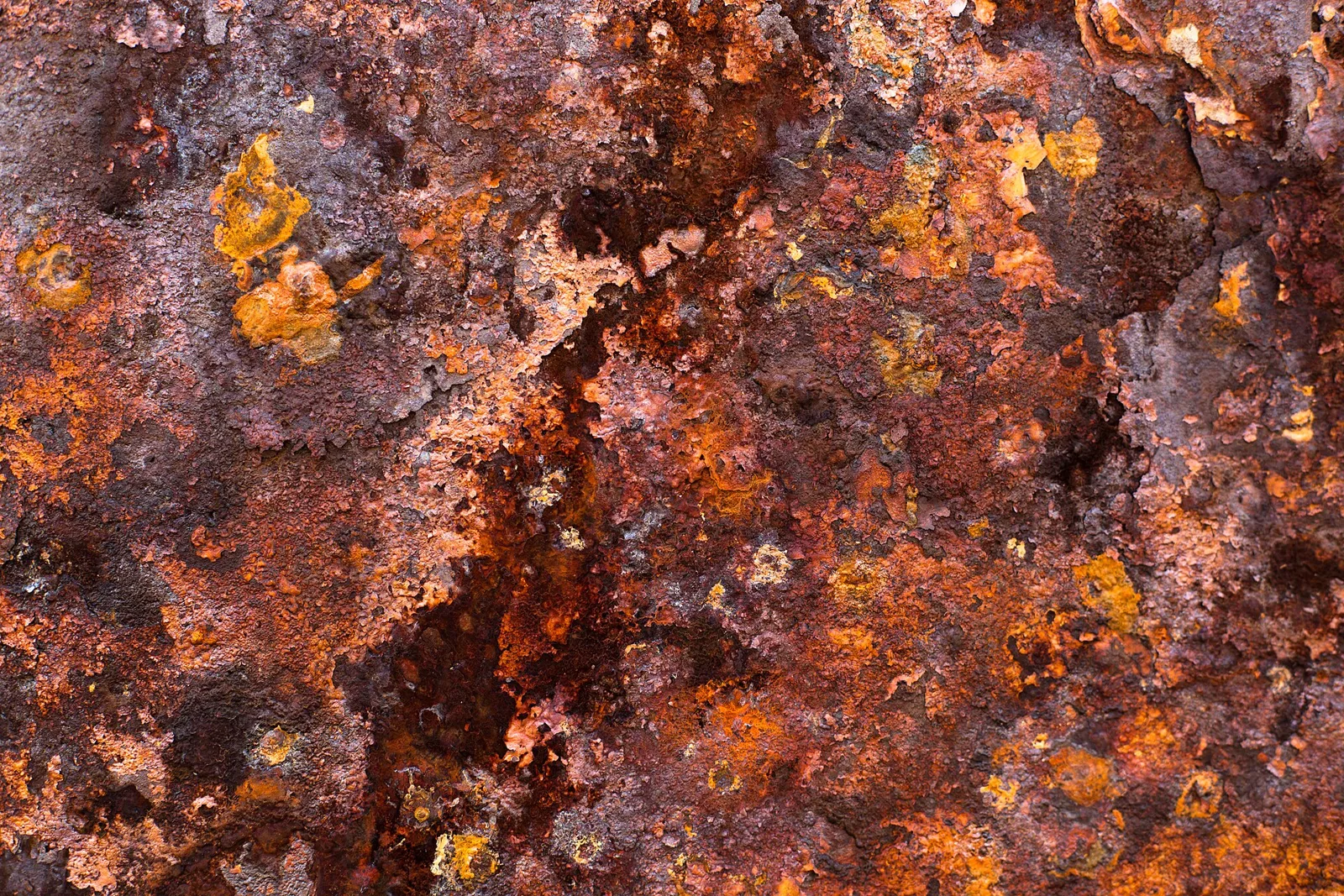
Then comes the part that makes rust so stubborn. Aluminium, copper and tin build a thin, stable oxide layer that seals the metal beneath. Iron's oxides do the opposite. Surface rust is flaky and crumbly, and the hydroxides that form do not stay attached to the bulk metal. As they drop away, fresh iron is exposed and the cycle begins again. Rust is permeable to air and water, so the iron under a rust layer carries on corroding.
Volume matters too. Rust occupies far more space than the original iron, which is why it can prise adjacent parts apart, a process sometimes called rust jacking. The Parthenon offers a famous warning. A restoration in 1898 joined marble blocks with iron clamps, and the clamps rusted and swelled until they damaged the stone. The ancient builders of the 2500-year-old structure had poured molten lead over their iron joints to keep air and water away. Within a century the crude repairs of 1898 were close to collapse.
Rust is permeable to air and water, so the iron under a rust layer carries on corroding.
Why do some cars corrode faster than others?
No two cars face the same conditions. The rate at which a vehicle corrodes depends on where it lives, what it is made of and how it was protected. Salt is the common thread, but the list of influences is longer than most owners expect.
- Local climate, and the use of ice-melting salt on roads.
- Air pollution, including acid rain and salt spray, which can harm the paint.
- The quality, thickness and composition of the metal, often an alloy of mild steel.
- Dissimilar metals used in the wrong places, which can speed up the rusting of steel bodywork.
- Rust traps, the nooks and crannies where road dirt and water collect.
- The particular rustproofing process used.
- Any plastic or underseal protection on the underside.
- Time spent in salt water, which removes the protective paint and brings rust on far faster than rainfall does.
The dissimilar-metals point is galvanic corrosion at work. When two different metals touch in the presence of an electrolyte, the more active one corrodes faster and the nobler one more slowly. Engineers use that deliberately with zinc, but a careless mix of metals on a car can do harm.
Design plays its part as well. A body shape that leaves pockets where mud and water sit will rust from those pockets outward, however good the paint. That is why two cars of the same age, parked a few kilometres apart, can end up in very different states.
How do car makers rustproof a body at the factory?
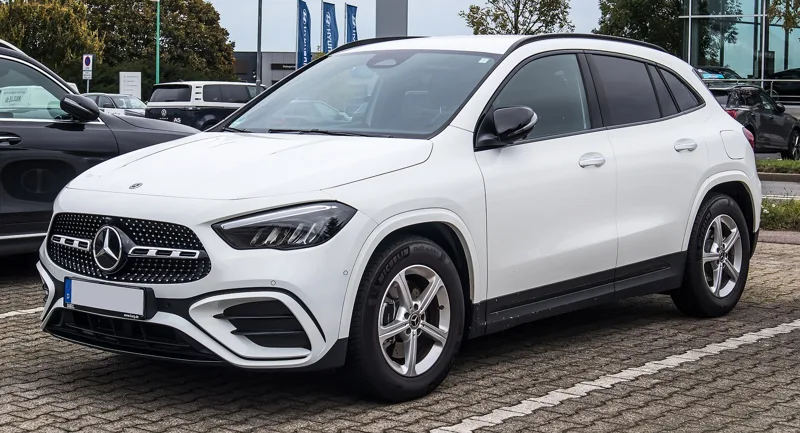
Factories protect bodies with special chemical treatments. Phosphate conversion coatings were the typical choice, and some firms galvanised part or all of the body before the primer went on. Cars built on a separate chassis frame need that frame treated as well.
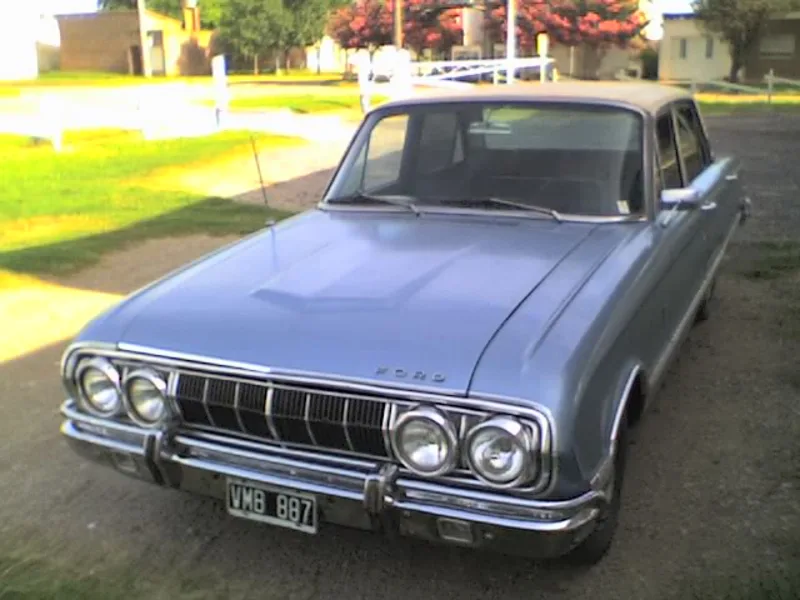
For much of the early and middle twentieth century, paint was the final barrier between the body shell and the air, except underneath. There, a rubberised or PVC-based underseal was often sprayed on. These coatings are eventually breached, and corrosion can then spread unseen beneath them. Rubberised underseal from the 1960s and 1970s is particularly prone to going brittle on older cars.
The real change came with electrocoat, usually shortened to e-coat. The first electrodeposition primer appeared in the 1950s but proved impractical for widespread use. Revised cathodic systems arrived in the 1970s and markedly reduced the corrosion problem that had hit a vast number of cars in the first seven decades of motoring.
The method is easy to picture. Rather than painting a finished body with a brush or spray, the factory lowers the entire assembled shell into a large tank of waterborne coating. An electrical charge draws the coating onto the metal, and because the liquid flows into every hollow, coverage of all metal surfaces is close to complete. A brush cannot reach inside a box section, but a bath can. The coating then bakes into a hard epoxy-urethane resin. Since the 1990s, nearly all cars have used e-coat as the foundation of their corrosion protection.
Makers also inject a waxy product, known technically as slushing oil, into hollow box sections, and these usually carry rust inhibitors as well.
What does galvanising actually do?
Galvanising coats steel with zinc. The coating works in two ways: it acts as a physical barrier, and because zinc is more reactive than steel, it also sacrifices itself first. If the surface is scratched, the zinc keeps protecting the exposed steel nearby, often within about 5 mm of the damage.
Picture the zinc as a bodyguard who takes the blow. It oxidises to zinc carbonate in preference to the iron, so the steel underneath stays intact even where there are gaps in the coating. The most common industrial method is hot-dip galvanising, in which parts are submerged in a bath of molten zinc. Electrogalvanising does a similar job with electricity.
The catch is that a sacrificial layer is, by definition, used up. Galvanising therefore protects for a limited period only. For ordinary outdoor steel products, a hot-dipped zinc coating of 85 micrometres wears away at about 1 micrometre a year, which gives roughly 85 years of protection under normal weather. Car bodies are a different case. Because paint will follow, carmakers use the thinner electrogalvanised sheet, which has a lower zinc thickness than hot-dip work. The 85-year figure is therefore no guide to a car panel.
Newer coatings add aluminium to the zinc, a mixture known as zinc-alume. The aluminium migrates to cover scratches, which extends the protection. Galvanised steel can be recognised by a crystal pattern on its surface, often called spangle, and it can be welded, although welding releases toxic zinc fumes.
How do the main protection methods compare?
| Method | How it works | What to know |
|---|---|---|
| Paint | Isolates the metal from air and water | For decades the last barrier above the underside; once breached, rust can start |
| Rubberised or PVC underseal | Sprayed on the underside | Eventually breached; 1960s and 1970s versions can turn brittle |
| E-coat primer | Whole body dipped; coating drawn on electrically | Nearly complete coverage; used by nearly all cars since the 1990s |
| Galvanising | Zinc coating that corrodes first | Consumed over time; car sheet carries a thinner layer than hot-dip work |
| Wax or oil in box sections | Inhibitor-rich film inside hollow areas | Wax can fail to reach spot-welded seams or heavy rust |
| Stainless steel | Chromium oxide film that re-forms if damaged | Low pH or chloride ions can defeat it |
| Weathering steel | A tightly bound layer of rust | Still rusts slowly, even in near-ideal conditions |
| Electronic devices | Claimed to push electrons into the body | No peer-reviewed testing; professionals find they do not work |
Is aftermarket rustproofing worth it?
Established aftermarket treatments are wax or oil based, applied inside sills and box sections and under the car. Depending on wear and conditions, any such protection may not stop the damage completely unless it is repeated periodically. The electronic gadgets are a separate matter, because corrosion professionals report that they do not work.
Kits are sold to treat both the outside of a car and the enclosed sections, such as sills, also called rocker panels. The compound goes in through existing holes or through holes drilled for the purpose. Most are waxy compounds that go on from an aerosol can, a brush, a low-pressure pump sprayer or a compressor-fed gun. One alternative for sills is to block the drain holes, flood the section with wax and let most of it run out again, which leaves a complete coating inside.
Preparation counts. Loose or thick rust must come off before anti-rust wax such as Waxoyl goes on, and wax may not get into spot-welded seams or heavy rust. A thinner, mineral-oil-based product followed by wax can be more effective there. Temperature matters as well: the products are viscous and flow poorly on cold metal, so hot weather makes the job easier.
Aftermarket underseals come in drying and non-drying types. The hardening kind, sold under names such as Shutz and Anti Stone Chip, shares the weakness of factory underseal and can go brittle. They suit the area below the bumpers on cars with painted metal there, rather than the deep plastic bumpers of modern cars. The non-drying types are bitumen or petroleum based and cannot become brittle. They creep over metal and cover missed spots, they heal themselves in the way oils do, and they resist abrasion from road sand. The price is a messy, slippery film that cannot be painted, so they are unsuitable for top-side exterior use.
What should you check on a used car?
Start with the sills, the wheel arches, the underside and the seams between panels. These are where water collects, where stones strike, and where protection is hardest to apply. A walk-round of these areas tells you far more than the paint on the bonnet.
- Where the car has lived. Salt on winter roads, salt spray and exposure to sea water all speed corrosion, and sea water strips paint as well.
- The sills. Enclosed sections are protected by wax injected at the factory or applied later through holes, so signs of that treatment, or the lack of it, are worth noting.
- The wheel arches. These are high-impact areas, which is why aftermarket underseals are aimed at them.
- The underside. Old rubberised underseal, especially from the 1960s and 1970s, can be brittle, and corrosion can spread unseen underneath it.
- Seams and rust traps. Nooks that hold road dirt and water raise the rate of corrosion, and wax may not reach spot-welded seams.
- Structural parts. Rust in components that carry real loads has to be cut away until sound metal is reached, with fresh metal welded in, or else the part replaced.
Surface rust is a different proposition from structural rust. It can be removed by scrubbing, scraping, sanding or sand blasting, by acids, or by electrolysis. Rust converters based on tannic or phosphoric acid combine with surface rust to leave a protective layer ready for paint. Covering rust without dealing with it achieves little, because the iron beneath a rust layer keeps corroding.
Can a car body be made that never rusts?
Some materials come close. Stainless steel resists rust because chromium forms a passive oxide film, and a Frenchman, Pierre Berthier, noticed the effect of chromium in alloys in 1821. The DeLorean paired a fibreglass body structure and steel backbone chassis with brushed stainless panels. Aluminium can resist water better than steel, though not salt or certain chemicals.
Even these have limits. A passive film recovers if it is scratched, but low pH or chloride ions can stop it forming, which again points to road salt. Stainless steel needs at least 11.5 per cent chromium to do its job, and welding can rob the zone beside a weld of chromium, leaving it less resistant. Pitting is a quieter danger: a thin film pierced by a hole too small to see can hide a thumb-sized pit.
Weathering steel, sold under the trade name Cor-Ten, takes a different approach. It rusts deliberately, but the rust binds to the surface as a protective layer, so it corrodes at a much slower rate than ordinary steel. Designers still have to avoid the worst exposures, because it keeps rusting slowly even in near-ideal conditions.