From surplus military parts to a bull-badged supercar brand, the story of an Italian industrialist who wanted a better grand tourer and built one.
Ferruccio Lamborghini began with surplus military parts and farm machinery, founded Lamborghini Trattori in 1948, and later set up a sports car company in Sant'Agata Bolognese. Control of that company passed to others in the early 1970s, and he retired to Umbria in 1974.
Ferruccio Lamborghini began as a mechanic who understood farm machinery better than most, and he ended as the founder of one of the world's best-known sports car names. His path ran through war service, post-war tractor building and a frustrating spell as a Ferrari owner. This article covers how he built his businesses, why he decided to make his own cars and how he left the car company he created.
Who was Ferruccio Lamborghini?
Ferruccio Lamborghini was an Italian industrialist born in 1916 who founded Lamborghini Trattori in 1948 and later created Automobili Lamborghini, a maker of high-end sports cars at Sant'Agata Bolognese. He sold his controlling interest in the car company in the early 1970s and retired in 1974.
He was born on 28 April 1916 in Renazzo di Cento, in the Emilia-Romagna area of northern Italy, to parents who grew grapes. He was drawn more to machines than to farming itself, and he studied mechanics at a technical institute near Bologna.
A tractor maker with a grudge against Ferrari's service, who turned his frustration into one of the most famous names in motoring.
How did the war shape Lamborghini's early career?
He was called up in 1940 into the Italian Royal Air Force and served as a mechanic on the island of Rhodes, where he became supervisor of a vehicle maintenance unit. After Italy's armistice with the Allies in 1943, he kept a small vehicle workshop going in civilian clothes, with the permission of the German forces that controlled the island.
Arrested as a collaborator once the British took the island in 1945, he could not return to Italy until 1946. That year he married Clelia Monti, who came from Ferrara and whom he had got to know on Rhodes. In 1948 he met Annita Borgatti, who went on to help him run his businesses for more than thirty years.
How did Lamborghini start making tractors?
In 1947 he recognised a market emerging in post-war Italy, where farming and industry both needed rebuilding, and the tractors he built were a direct response to that need. Surplus military vehicles supplied the engine parts and differentials he needed.
Lamborghini turned his mechanical skill into a business after 1945. He built his first tractor, the Carioca, from parts salvaged from military vehicles, and he founded Lamborghini Trattori in 1948 as demand for farm machinery grew during Italy's post-war economic boom.
The first Carioca was built around six-cylinder petrol engines taken from Morris trucks. Because petrol was expensive in Italy, he added a fuel atomiser of his own design, so that the tractor could start on petrol and then switch to cheaper diesel.
The business grew quickly, and the group later expanded beyond tractors. In 1959 he set up an oil burner plant, Lamborghini Bruciatori, which later moved into air conditioning. He also founded Lamborghini Oleodinamica in 1969, a company that made hydraulic valves and equipment.
He had a shrewd eye for money. Components from his tractors could be fitted to a high-performance exotic car, and he calculated that the profit on such a car would be far greater than on a tractor sale.
What did Lamborghini's Mille Miglia adventure involve?
After the war Lamborghini set up a workshop in Pieve di Cento and bought an old Fiat Topolino, the first of many cars he would own. He turned it into an open two-seater of 750 cc, and then took it to the 1948 Mille Miglia.
His run came to an end at 1,100 kilometres (680 mi), when he crashed the car into a restaurant wall in Fano. The episode did not dampen his interest in cars, which would become a central part of his life.
Which cars did Lamborghini own before building his own?
In the early 1950s Lamborghini owned Alfa Romeos and Lancias, and his collection grew to include a Jaguar E-Type coupe, a Mercedes-Benz 300SL and two Maserati 3500 GTs. He once had enough cars that he could switch between a different machine each day of the week.
He respected Adolfo Orsi, the owner of Maserati, who had also started life poor. He did not think much of the Maserati cars, however, finding them heavy and not especially fast.
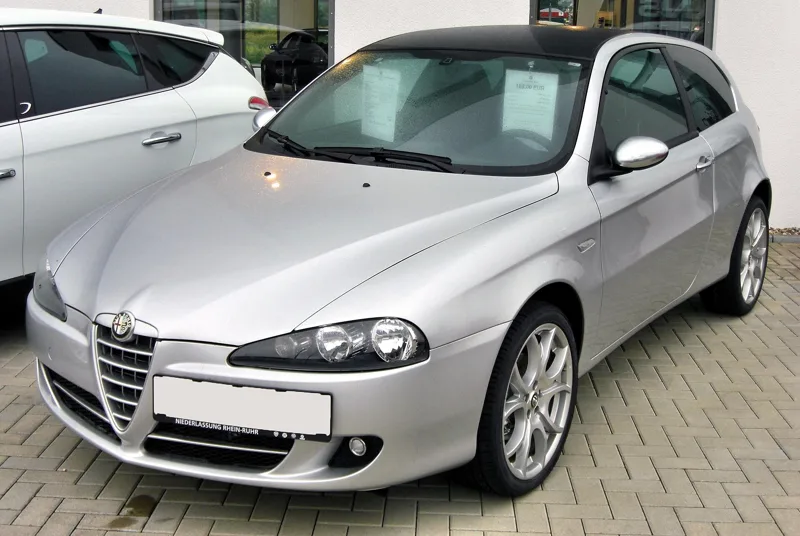
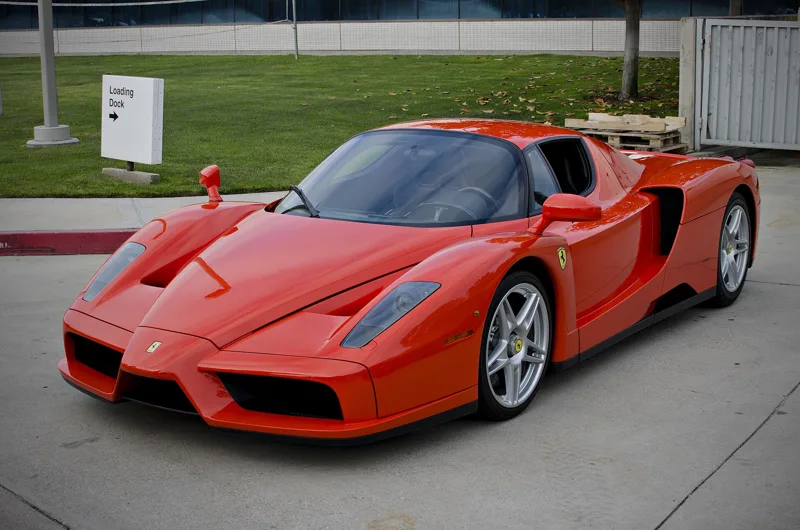
In 1958 he went to Maranello and bought a Ferrari 250 GT, a two-seat coupe with a body by Pininfarina. He later owned several more, including a 250 GT SWB Berlinetta and a 2+2 model with four seats, and his opinion of them was mixed.
He found the Ferraris noisy and rough, and he felt they were repurposed track cars with poorly built interiors. Their clutches were inferior, and the cars needed frequent trips to Maranello for rebuilds, which annoyed him.
He took his complaints about after-sales service to Enzo Ferrari, who dismissed them. After Lamborghini modified one of his own Ferrari 250 GTs to outperform the stock models, he decided to build a grand tourer of his own.
What was Lamborghini's aim for his own car company?
Lamborghini wanted a grand tourer that combined high performance with ease of use, ride quality and good interior finish. He felt that no existing maker would build it for him, so he set up Automobili Lamborghini at Sant'Agata Bolognese, a company that would become a maker of high-end sports cars.
He believed a grand tourer should not force its owner to choose between speed and comfort. Ride quality, tractability and interior finish mattered to him as much as outright performance.
How did the bull emblem and car names come about?
Lamborghini was a Taurus, and he was so impressed by the Miura bulls he saw in Seville in 1962 that he chose a raging bull as the emblem for his car company. The Miura, named after the breeder's family, was the first car in that tradition, and it was unveiled to Don Eduardo at his Seville ranch.
The Islero was named after the Miura bull that killed the matador Manolete in 1947, and Espada is the Spanish word for sword. The Jarama name was chosen with care, because Lamborghini did not want it confused with the motor racing circuit of the same name.
In 1974 he named the Urraco after a bull breed, but the Countach broke with tradition. According to legend, Nuccio Bertone exclaimed the word when he first saw the prototype, and it is a Piedmontese expression of astonishment.
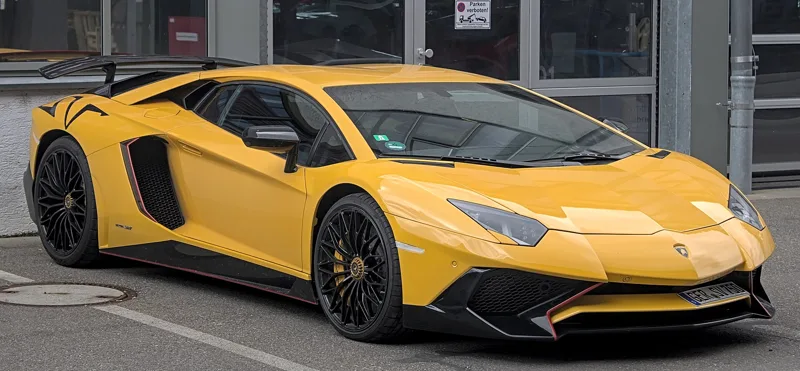
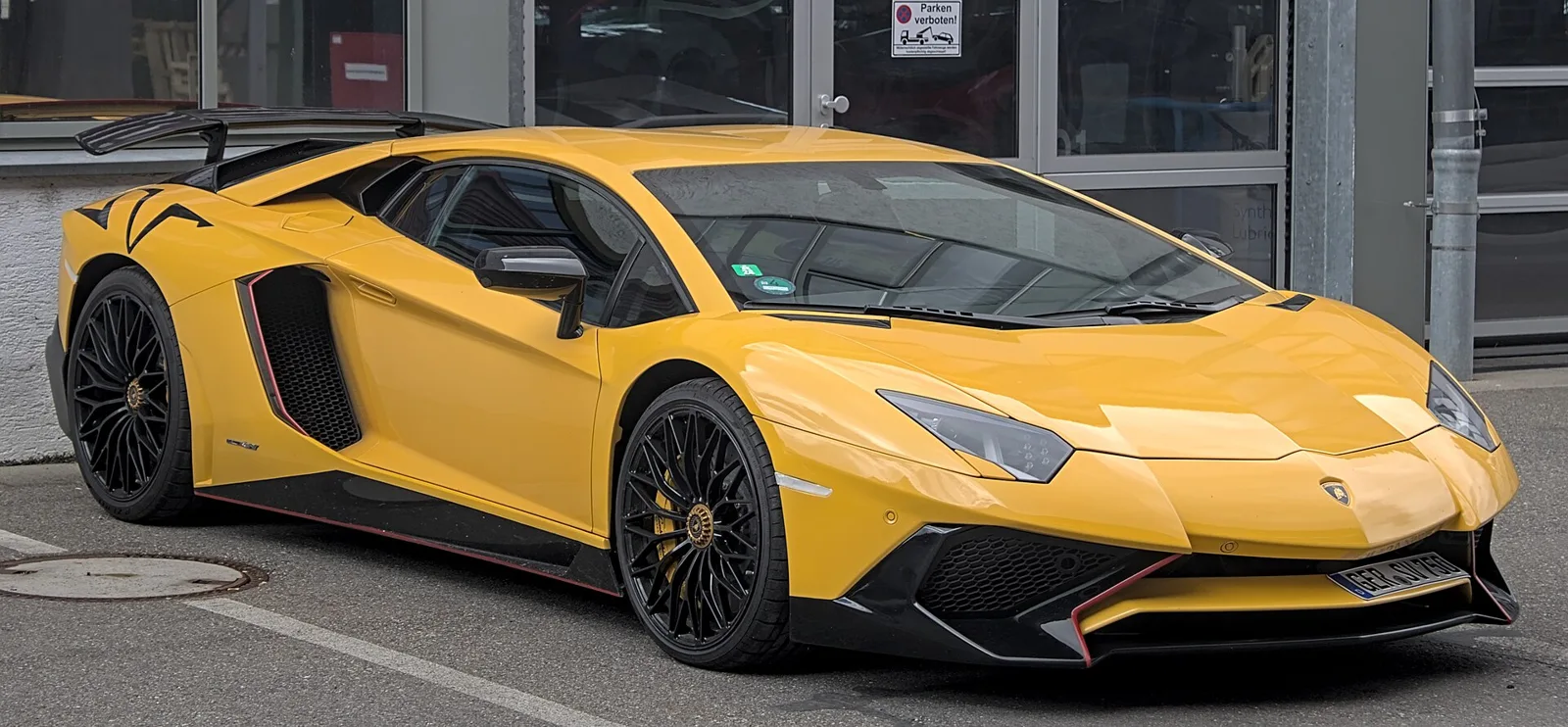
The tradition continued after his death. The Jalpa of 1982 and the Diablo of 1990 carried bull names, and later cars such as the Gallardo, the Aventador, unveiled in 2011, and the Estoque concept of 2008 echoed the theme.
What went wrong for Lamborghini's companies in the 1970s?
Lamborghini's companies ran into financial trouble in the 1970s. In 1971 the South African importer of Lamborghini Trattori cancelled all its orders, and in Bolivia a new military government cancelled a large tractor order. Those losses put the group under severe strain, and the car company slowed its development as costs were cut.
The tractor company's unionised workers could not be laid off, which added to the strain. The group began looking for buyers for both the car and tractor businesses.
How did Lamborghini leave the car business?
In 1972 he sold everything he held in the tractor company to the rival builder SAME. Later he sold a 51% stake in the car company to Georges-Henri Rossetti, a Swiss businessman and friend, for US$600,000. That sale ended his control of the automaker he had founded.
The market also turned against him. The 1973 oil crisis hit sales of high-performance cars worldwide, and by 1974 he had become disenchanted with the car business. He sold his remaining 49% stake, and Rene Leimer, a friend of Rossetti, took the shares.
How did Lamborghini spend his later years?
In 1974 Lamborghini left the industrial world and retired to La Fiorita, a 3 km2 (740-acre) estate on the shores of Lake Trasimeno in Umbria. There he hunted, made his own wine and even designed a golf course. He kept managing several business interests while he did so.
He fathered a daughter, Patrizia, at the age of 58. He died on 20 February 1993 in Perugia, aged 76, after suffering a heart attack 15 days earlier. He is buried at the cemetery of Renazzo, the village where he was born.
What is Lamborghini's legacy?
All of Lamborghini's companies still operate in one form or another, although several have changed hands. Automobili Lamborghini is now part of Audi, while the tractor business is a subsidiary of SAME Deutz-Fahr. Calor and the hydraulics business have also moved on under other owners.
His son Tonino designed clothing and the Town Life electric microcar, which was shown at the Bologna Motor Show in 1999. His daughter Patrizia runs the family winery on the Umbria estate.
A museum honouring his work opened in 1995 in Dosso, in the province of Ferrara, and it moved to Argelato in 2014 under the name Museo Lamborghini. In 2022 a biographical film appeared under the title Lamborghini: The Man Behind the Legend.
What are the key dates in Lamborghini's career?
Lamborghini's career ran through tractors, heating equipment, hydraulics and cars. The table below lists the main dates and figures, which show how quickly he moved between businesses and how he eventually stepped away from the car company he founded. Several entries also show how his interests spread across heating, hydraulics and motor racing.
| Measure | Detail |
|---|---|
| Born | 28 April 1916, Renazzo di Cento |
| Died | 20 February 1993, Perugia, aged 76 |
| Lamborghini Trattori | Founded 1948, tractors |
| Lamborghini Bruciatori | Oil burner factory opened 1959 |
| Lamborghini Oleodinamica | Founded 1969, hydraulic equipment |
| Mille Miglia | Entered 1948, stopped after 1,100 km (680 mi) |
| Car company stake sale | 51% for US$600,000 |
| Remaining stake sold | 49% in 1974 |
| Retirement estate | La Fiorita, 3 km2 (740-acre), Umbria |
Frequently asked questions
Was Lamborghini a car designer as well as an industrialist?
Yes. He is described as both an automobile designer and an industrialist. He built his first tractor from surplus military parts, and he went on to found a company that made high-end sports cars and gave them his name.
Why do Lamborghini cars have bull names?
The bull theme grew from his admiration for the Miura breed on a visit to Seville in 1962, and it continued through the Islero, the Jarama and the Urraco. The Countach was the main break from that pattern, taking its name from an exclamation rather than a breed.
How many Ferraris did he own?
He bought his first Ferrari, a 250 GT, in 1958 and went on to own several more. He thought they were good cars in some respects, yet noisy and rough for road use, and he saw them as repurposed track machines.
What happened to his companies after he left?
Lamborghini Trattori passed to SAME, and the car company is now part of Audi. Other businesses changed hands too, but several names still survive as brands, and a museum keeps his story on display.
Where is Lamborghini buried?
He rests at the Renazzo cemetery, in the village where he was born in 1916. His parents were grape growers there, so the village holds a central place in the story of his early life.