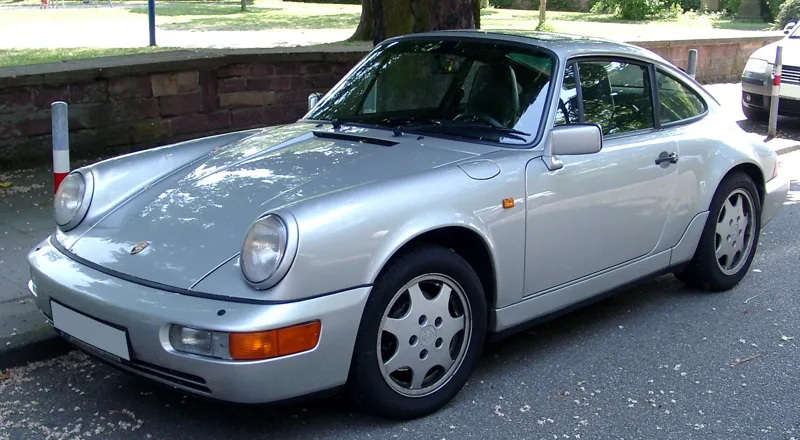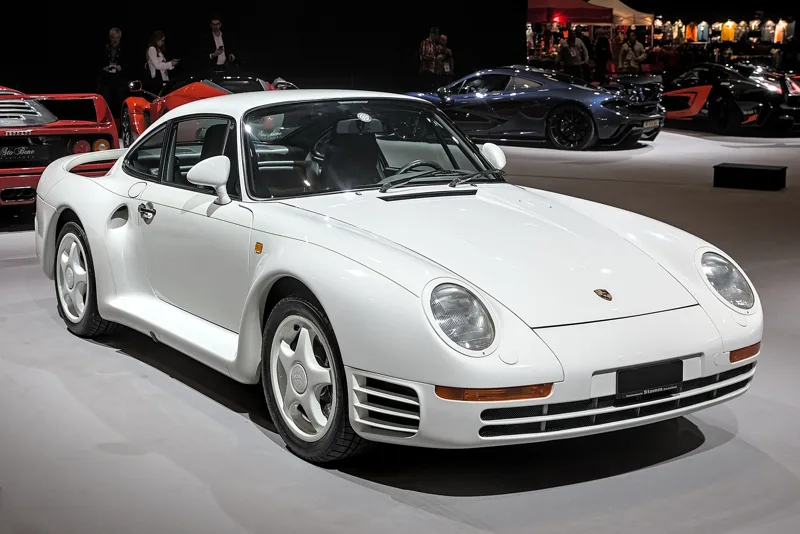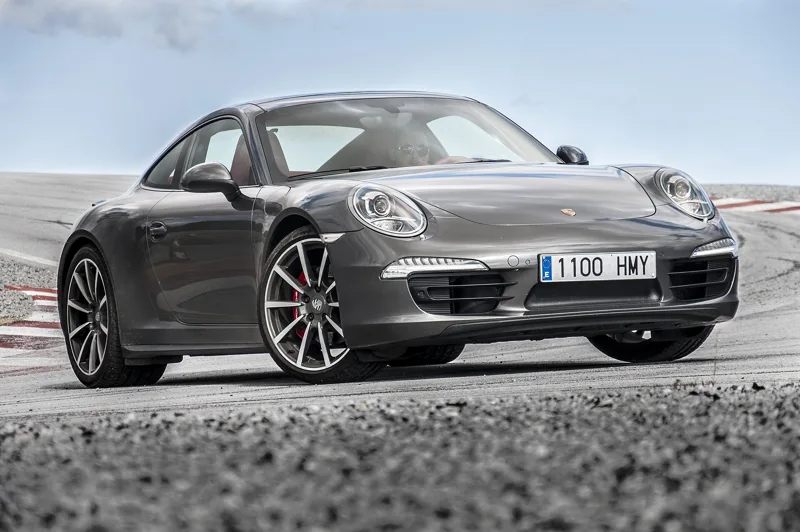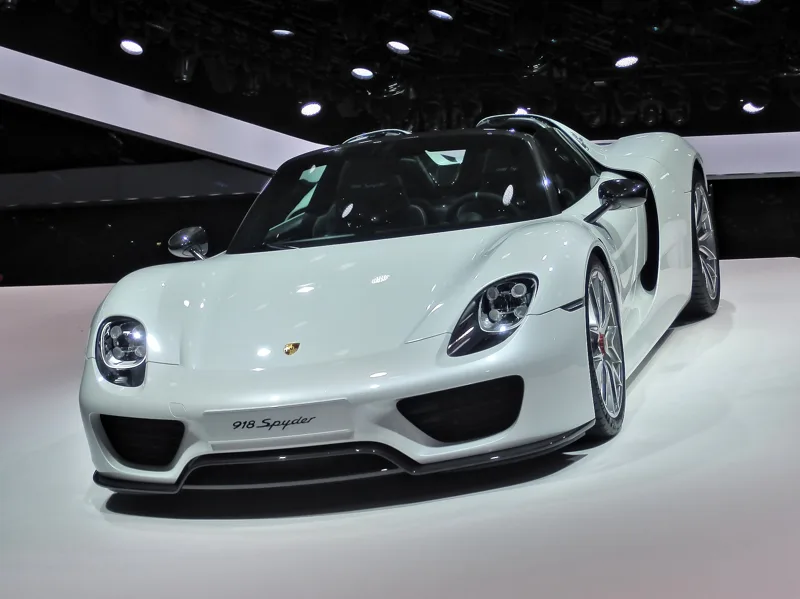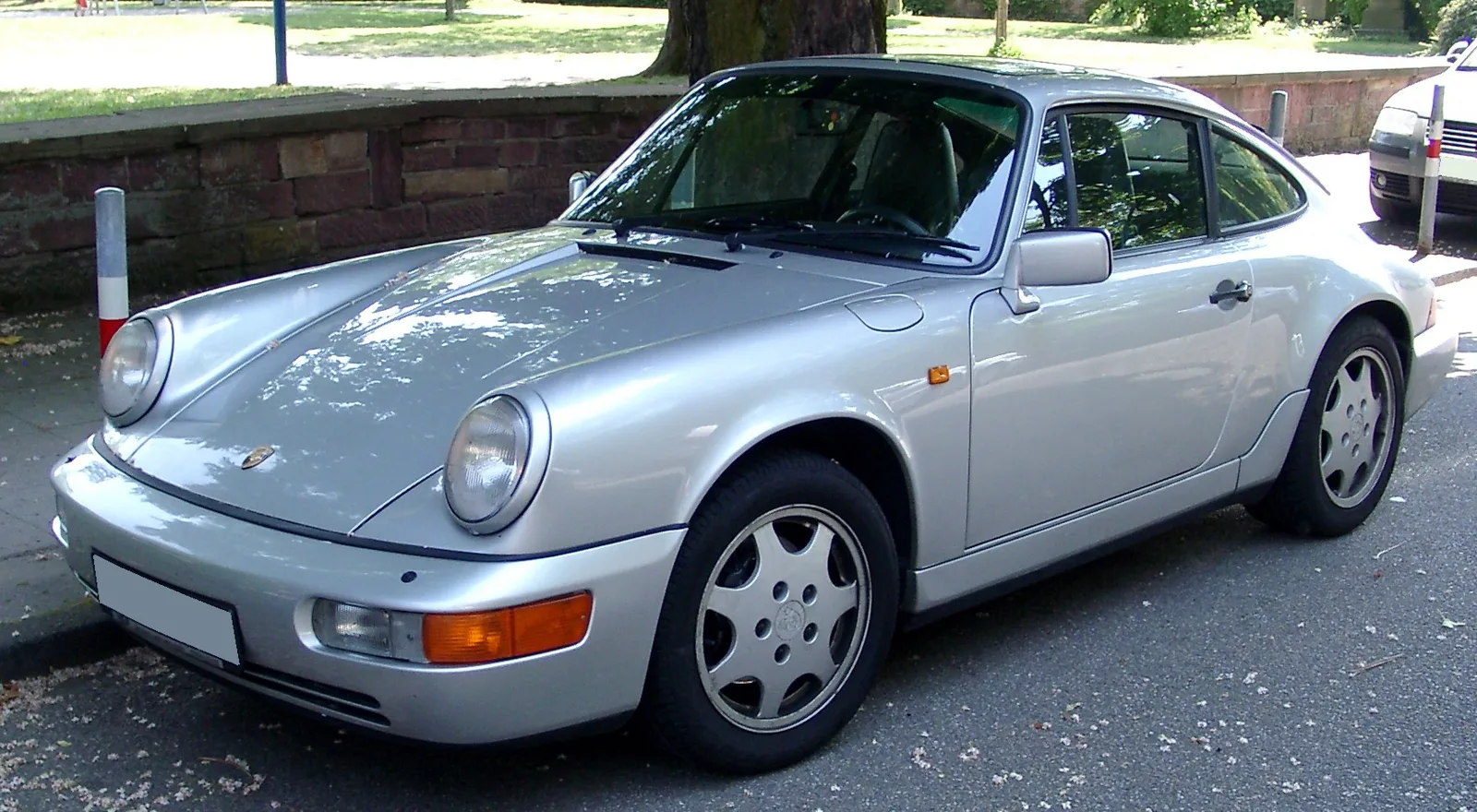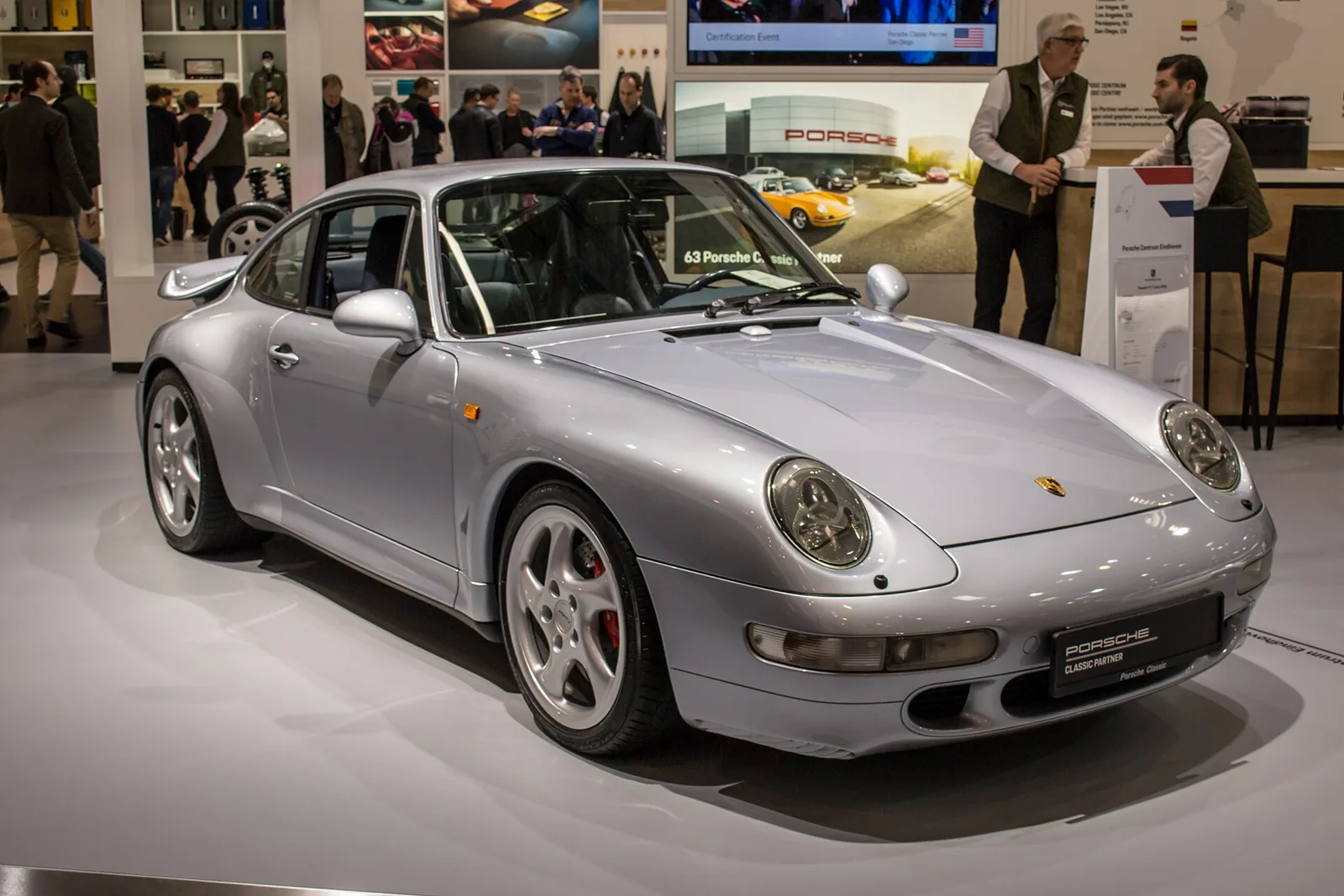
The fourth-generation 911, built from 1994 to 1998, combined a new rear suspension, VarioRam power and a family of coupes, Turbos and track specials.
The Porsche 993 was the fourth-generation 911, built from 1994 to 1998 and the last air-cooled 911. It introduced the Weissach rear axle and a six-speed manual as standard, and it came as a Carrera coupe, cabriolet, Targa, Carrera 4, Turbo and several track specials.
The Porsche 993 was the fourth generation of the 911 and the last to use air cooling, built between 1994 and 1998. It replaced the 964 with a much revised car, although Porsche kept the core cabin and body shell. Today it is widely regarded as the most desirable 911 of its era, and it is the reference point for many enthusiasts.
Why was the 993 a new generation?
Porsche described the 993 as a significant advance, saying that nearly every part was designed from the ground up, including the engine. In practice only about 20 percent of the parts carried over from the previous 911. The exterior was penned by English designer Tony Hatter, who kept the 911's silhouette but added more flared wheel arches, smoother bumpers, a larger retractable rear wing and teardrop mirrors.
Under the skin, the cabin and body shell architecture stayed close to the 964 and earlier cars, which kept the structure familiar. The changes were focused on the suspension, the engine and the drive system, where Porsche spent most of its effort.
The 993 combined a new rear suspension, a six-speed as standard and a family of coupes, Turbos and track specials before the air-cooled era closed.
How did the rear suspension change?
The big engineering change was the Weissach axle, a light alloy rear subframe carrying an all-new multi-link suspension with coil springs and wishbones. The design came from a four-door sedan project that never reached production, and it later carried over to the 996.
The new layout made the car more direct and stable, and it reduced the lift-off oversteer that had long been a trait of earlier 911s. The wider rear wheel arches it required improved stability, and the set-up also cut interior noise and improved ride quality.
How much power did the 993 make?
The base car used a naturally aspirated 3.6-litre engine, the M64, developed from the 964. A system called VarioRam added power through the mid-range rev band, and Porsche credited it with a 15 percent increase over the predecessor. The side effect was more throttle noise at higher revs.
The Carrera also had a new dual-flow exhaust system, which used two catalytic converters. The engine was rated for the 993's extra weight, and it remained the reference point for the rest of the car's range.
Which transmissions were offered?
The 993 was the first 911 with a six-speed manual as standard, and the gearbox kept the engine near its best torque range above 4,500 rpm for most driving. Rear-wheel drive models could also be ordered with the Tiptronic four-speed automatic, first introduced on the 964.
From the 1995 model year the Tiptronic S added steering wheel controls and revised software for quicker shifts, and it could recognise climbs and descents. Automatic cars were slower to accelerate and reached a lower top speed than manuals, and they weighed 25 kg (55 lb) more.
How did the all-wheel drive system work?
Porsche replaced the 964's three-differential layout with a system borrowed from the 959 flagship, using a viscous coupling in place of the centre differential. This was lighter and simpler, and it improved handling in bad weather without many of the compromises of the earlier system.
The Carrera 4 weighs 1,420 kg (3,131 lb) against 1,370 kg (3,020 lb) for the rear-drive Carrera 2, so it carries about 50 kg (111 lb) more. The coupling sends between 5 and 50 percent of power to the front wheels, and an automatic braking differential brakes the inner wheel out of corners.
What body styles did the Carrera come in?
The Carrera was offered as a coupe, a cabriolet, a Targa and the all-wheel drive Carrera 4. The Cabriolet arrived in April 1994 for the 1995 model year, with a fully electric hand-stitched soft top and an automatic wind blocker. The coupe was the lightest and stiffest of the range.
The Targa arrived for the 1996 model year with a retractable glass roof that folded under the rear window. It replaced the old removable-roof Targa and kept the same side profile as the other Carreras. Production was 2,442 cars in 1996, 1,843 in 1997 and 334 in 1998, a total of 4,619.
- Carrera coupe ground clearance: 110 mm, or 120 mm on the US car
- M030 sport chassis: lowered clearance to 90 mm
- Carrera 4 identifiers: silver calipers, clear front indicators and a Carrera 4 centre cap
- Options: five wheel styles, three seat types and special Exclusive programme work
What made the 993 Turbo special?
The 993 Turbo coupe arrived in 1995 with a twin-turbocharged 3.6-litre engine rated 300 kW (408 PS; 402 hp). It had air-to-air intercoolers, redesigned cylinder heads and was the first 911 Turbo with all-wheel drive, taken from the 959. Its bodywork had widened rear arches, new bumpers and a fixed whale tail wing housing the intercoolers.
Changes across the production run included stronger transmission input shafts in the 1997 and 1998 cars, which had been a known weak point. Later cars also had a flashable engine control unit, a passenger airbag that could be cut out for a child seat, and different centre caps. The Turbo also featured in the Need for Speed High Stakes game.
How fast was the Turbo S?
The Turbo S was offered in 1997, built by the Porsche Exclusiv department. It produced 450 PS DIN (331 kW) from larger K-24 turbochargers, a second oil cooler and modified engine management. American cars were rated 424 hp SAE (316 kW; 430 PS). It was recognised by yellow brake calipers, a bigger rear wing and carbon fibre sill details.
Acceleration from 0 to 97 km/h took 3.6 seconds, with 161 km/h reached in 8.9 seconds. Top speed was 296.6 km/h (184.3 mph). It weighed 1,500 kg (3,307 lb), and it was the last air-cooled 911 Turbo.
Which lightweight and racing 993s were built?
The Carrera RS of 1995 and 1996 was a lightweight model with a 3.8-litre engine rated 300 PS (221 kW; 296 hp). It used lightweight forged pistons, dual oil coolers and a fixed rear wing, and it weighed 1,280 kg (2,822 lb). Production was 1,014 cars, including 227 Clubsport versions with a roll cage and racing seats.
The GT2 was the racing version of the Turbo, rear-wheel drive for FIA GT2 competition. A small number of road-legal cars were built to homologate it, and only 57 road-legal variants were produced. The engine was rated 450 PS (331 kW; 444 hp) in its final form. A separate RSR 3.8 was built for customer teams, and 45 were produced.
Were there any Speedsters or Turbo Cabriolets?
Porsche never offered a Speedster officially in the 993 range, but two were built at the factory, one for Ferdinand Alexander Porsche and one for Jerry Seinfeld. A few 993 convertibles were later converted by aftermarket coachbuilders. Fourteen Turbo Cabriolets were built in 1995 with the 360 PS (265 kW; 355 hp) engine from the 964 Turbo 3.6.
Those convertibles cost a premium of DM 89,500 over the standard cabriolet, which was an extra 62 percent, and they were rear-wheel drive with a five-speed manual.
How is the 993 remembered?
Commentators describe the 993 as the best and most desirable 911, and some call it the last complete modern classic. One book calls it the King of Porsche, and Road and Track's April 2017 article described it as something truly special, with great steering, great brakes and a composed package.
The car was replaced by the 996, which marked a dramatic change for the 911. Many enthusiasts consider the 993 one of the sweetest spots in the car's history, and the last 993 built for public roads was a Riviera Blue Carrera 4 S completed on 31 March 1998.
How did the 993 differ from the 964 it replaced?
The 993 kept the 964's core cabin and body shell but changed nearly everything around them. The new rear suspension, wider arches and smoother bumpers gave the car a more planted feel, while a new dual-flow exhaust and larger brakes with drilled discs addressed the earlier car's weak points.
The revised power steering and the six-speed gearbox fitted as standard made the car feel more civilised than the 964. Porsche presented the 993 as a significant advance, not simply a facelift of its predecessor.
What was the 993 Carrera 4 like on the road?
The Carrera 4 used a viscous coupling that moves a share of the drive forward, so it gained traction in rain and snow. It also had an automatic braking differential, which brakes the inner wheel when the car accelerates out of a corner.
The trade-off was weight. The Carrera 4 weighed 50 kg (111 lb) more than the Carrera 2, and on a dry circuit the rear-drive car was the quicker of the two. The Carrera 4 could not be fitted with the Tiptronic automatic, so buyers had to take the manual.
What set the 993 Turbo's wheels and bodywork apart?
The Turbo used 18-inch alloy wheels with hollow spokes as standard, a clear step up from the base Carrera. The car also carried larger brakes, a necessity for a car with that level of power and all-wheel drive.
Its bodywork added widened rear wheel arches, about 6 cm wider than the Carrera's, together with redesigned bumper mouldings. Those changes gave the car a broader stance and room for the wider tyres that the extra power required.
Specifications at a glance
| Specification | Detail |
|---|---|
| Production | 1994 to 1998 |
| Carrera coupe curb weight | 1,370 kg (3,020 lb) |
| Carrera 4 curb weight | 1,420 kg (3,131 lb) |
| Turbo output | 300 kW (408 PS; 402 hp) |
| Turbo S output | 450 PS DIN (331 kW) |
| Turbo S top speed | 296.6 km/h (184.3 mph) |
| Carrera RS curb weight | 1,280 kg (2,822 lb) |
| Targa total production | 4,619 (1996 to 1998) |