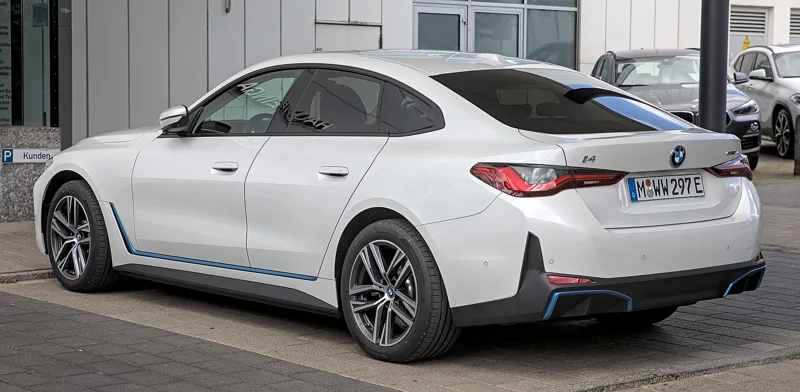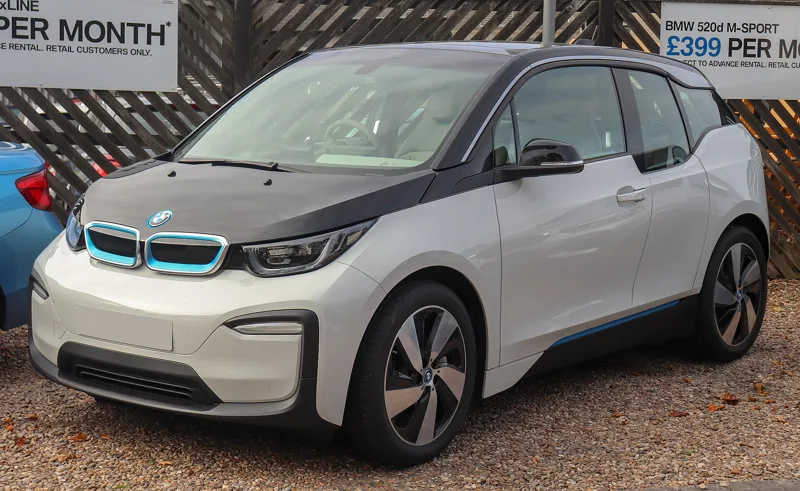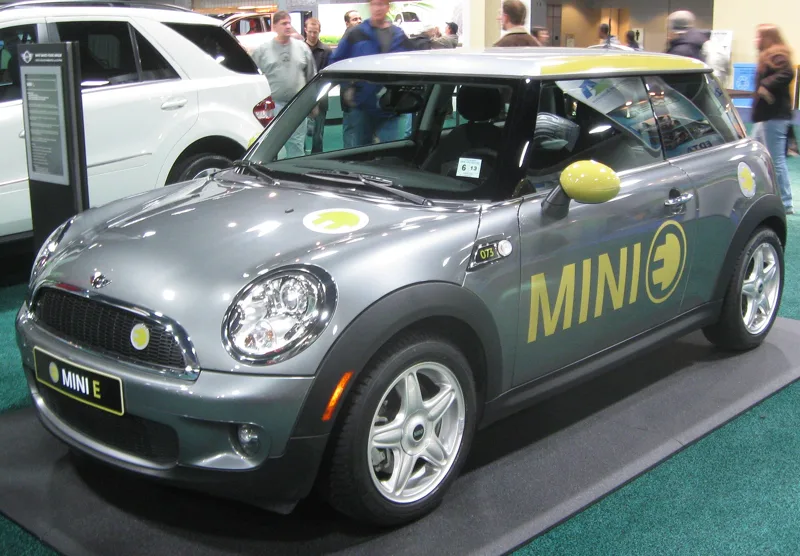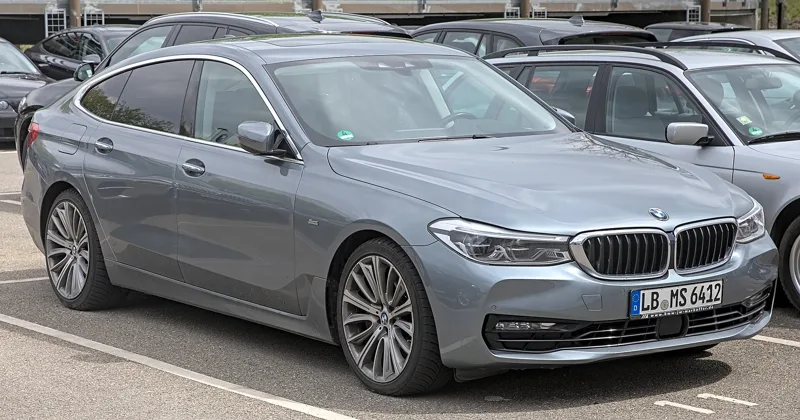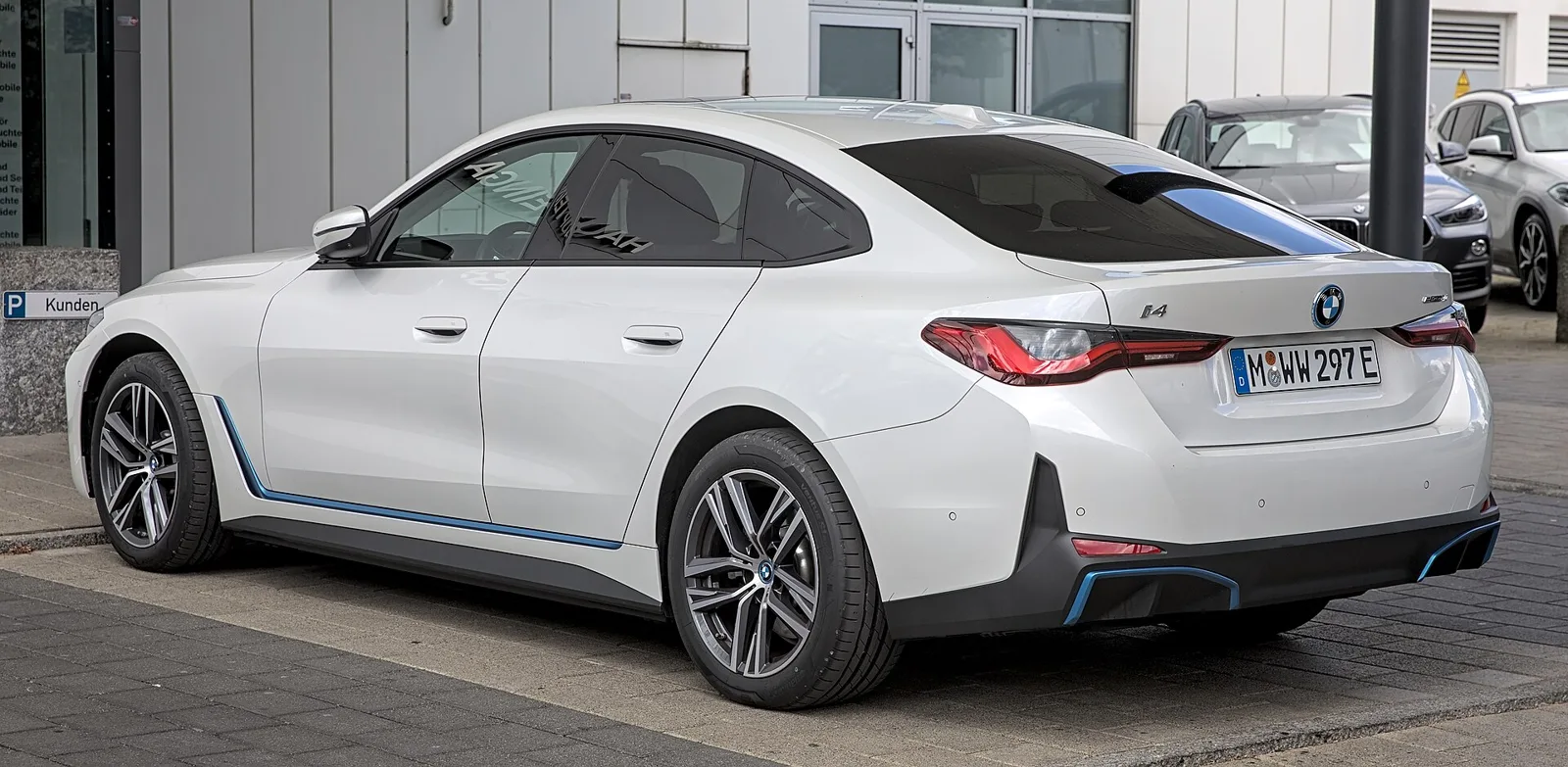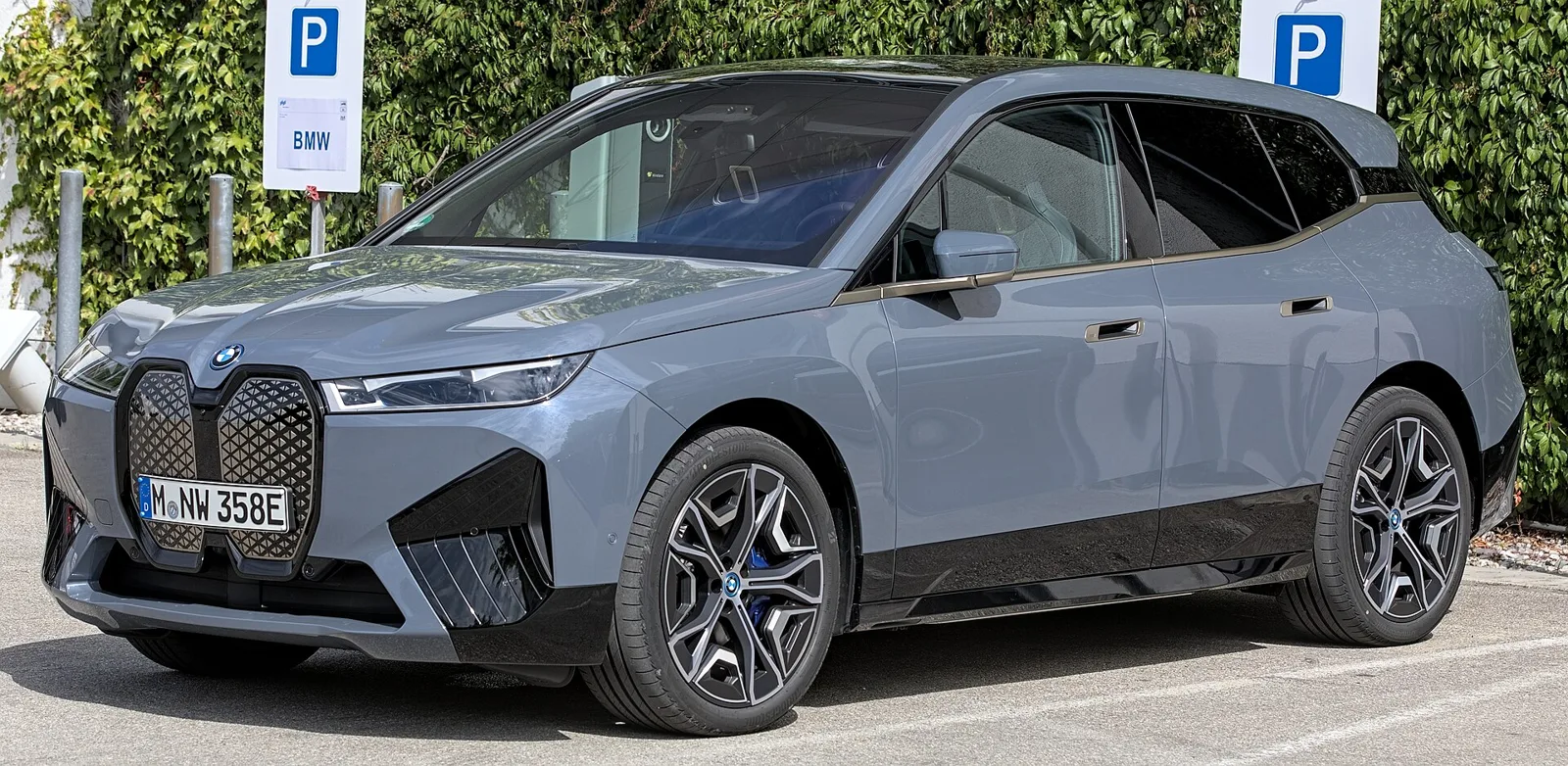
A demonstration car that customers could lease but never buy, and the large electric luxury SUV BMW later put on sale.
The BMW iX is a battery-electric luxury SUV unveiled in 2020, built at Dingolfing on a new electric platform with 150 to 200 kW fast charging. The ActiveE was a 1 Series based electric car leased from 2012 as a field trial, with a 32 kWh battery and a 125 kW rear motor.
When the BMW ActiveE programme ended, nobody who had leased one was allowed to keep it. Every car went back to BMW, and many were donated to technical schools or museums to be pulled apart and studied. The iX, a large electric luxury SUV sold from 2021, is a different story: a production car you can buy.
What are the BMW iX and ActiveE?
The BMW iX is a battery-electric mid-size luxury crossover SUV, unveiled in production form in November 2020. The BMW ActiveE was a demonstration electric car based on the 1 Series, built for a leased field trial that began in 2012. The iX was BMW's second fully electric vehicle after the i3, and the ActiveE was one of the experiments on the way there.
The ActiveE could be leased but never bought, and every car went back to BMW.
Where does the BMW iX sit in the BMW i range?
The iX is the fourth model of BMW's i sub-brand and the company's second fully electric vehicle, following the i3 of 2013. BMW chose the name to mark the car as the top of the electric i line-up and as the car carrying its newest technology, since it uses the new fifth-generation version of BMW's electric drive system and offers advanced autonomous and connected features.
The story began in March 2016, when BMW described the iNext concept as its "new spearhead of innovation and technology" and aimed at a launch early in the following decade. The BMW Vision iNext followed at the 2018 LA Auto Show, labelled Project i 2.0 and aimed at the questions of electrification, connectivity and autonomy.
The concept was an SUV about the size of an X5 but much roomier inside, thanks to its electric architecture of front and rear motors and underfloor batteries. BMW said it would use the fifth-generation powertrain and quoted 0-100 km/h in 4.0 seconds and a range of 612 km (380 mi). How much autonomy the production car would offer depended on regulations and infrastructure.
Styling details of the production car emerged in 2020, and BMW announced the iX officially in November 2020. It was released in June 2021 as a 2022 model alongside the i4, with sales beginning in November 2021. BMW described the launch as part of an effort to reach a 50 percent global share of the electric vehicle market. A performance iX M60 followed in May 2022, and a facelifted car with improved range, power and efficiency and minor styling changes arrived in January 2025 as a 2026 model.
How is the BMW iX built?
The iX has its own electric drivetrain architecture and an aluminium spaceframe, with carbon fibre reinforced plastic (CFRP) in the side frame, rain channels, roof frame and rear window aperture. BMW calls the electric platform a totally new development, though it is highly compatible with the CLAR platform used by its combustion cars.
That compatibility matters on the factory floor. Shared chassis components let BMW build the iX alongside petrol and diesel models at the Dingolfing plant, instead of needing a separate line.
The body mixes high-strength steel, aluminium, thermoplastics and CFRP to keep weight down. Underneath is an aluminium-intensive chassis with double-wishbone front suspension, multi-link rear suspension and active rear-wheel steering. In size the car matches the G05 X5 in length and width, takes the lower roof of the G06 X6 and rides on wheels as large as the G07 X7's.
Aerodynamics and the blanked-off grille
The drag coefficient is 0.25 and the frontal area is 2.82 m2. BMW says the low aerodynamic profile added around 40 miles to the car's WLTP range. The clamshell bonnet is fixed, so the washer bottle is reached through the BMW emblem above the grille.
The large front grille is blanked off, because it houses the camera, radar and other sensors that the driver assistance systems depend on. It carries a self-healing coating that smooths out scratches and small chips, so the sensors can always see clearly.
What powers the BMW iX and how does it charge?
The iX uses BMW's fifth-generation scalable electric drivetrain, developed in-house. Motor, power electronics and single-speed transmission share one housing. According to BMW, power density is around 30 percent higher than before and the system is 93 percent efficient. The motors use no cobalt and no permanent magnets: electricity alone spins the rotor around the stator. Some cobalt remains in the lithium-ion batteries.
The default regenerative braking mode adapts to the road. Using GPS data and sensors, it recovers energy more aggressively in town traffic and less on open roads, where the car is allowed to coast. Drivers can also pick high, medium or low regeneration. High allows one-pedal driving, because all the braking can be done regeneratively, while low gives only modest recovery and feels close to a conventional coasting car.
The battery uses prismatic cells on a standard 400 V system, and BMW says its gravimetric energy density is about 20 percent higher than the previous generation. A heat pump handles heating and cooling, and the pack is pre-conditioned before fast charging.
The xDrive40 can accept DC fast charging of up to 150 kW through a CCS connector and the xDrive50 up to 200 kW, and both can go from 10 to 80 percent in under 40 minutes. At home, an 11 kW charger fills an empty battery in about 11 hours. Euro NCAP rates the iX at 5 stars.
What technology does the BMW iX carry?
The iX was the first vehicle to feature iDrive 8, which joins a 12.3-inch digital instrument cluster and a 14.9-inch touchscreen into a single curved unit. It keeps the iDrive controller, brings an upgraded voice assistant and comes with a hexagonal steering wheel. Standard equipment includes an 18-speaker Harman Kardon sound system, a parking assistant and Driving Assistant Professional.
Options include a panoramic sunroof with sun-protection glass, soft-close doors, heated and ventilated seats, an interior camera, a Bowers and Wilkins stereo and M Sport styling.
It was also the first luxury car with built-in 5G, which lets it receive over-the-air updates. The iX has 20 times the on-board computing power of earlier BMWs and can process double the data from its cameras and sensors, which supports Level 2+ semi-autonomous driving: staying in lane, holding speed and changing lanes safely.
Level 3 has been a murkier subject. BMW hinted at it when it showed the iNext in 2018, but the official iX release said nothing about self-driving. Frank van Meel, who led product development for BMW's luxury cars, said he could not promise a date: the company was collecting data from a large test fleet of modified 7 Series cars and would improve the iX by software over the air, taking an evolutionary path. In November 2021, R&D chief Frank Weber confirmed that the iX would be offered with Level 3 capability as an option, since its hardware and software were capable of it.
What was the BMW ActiveE?
The ActiveE was a four-seat, rear-wheel-drive electric car based on the 1 Series. It was the second vehicle after the Mini E developed under BMW Group's Project i, and the electric drive system was the latest addition to the company's EfficientDynamics programme. BMW unveiled it at the North American International Auto Show in Detroit in January 2010, and production began at the Leipzig plant in July 2011.
The US Environmental Protection Agency gave it an official range of 151 km (94 mi), energy consumption of 33 kWh per 100 miles and a combined rating of 102 miles per gallon gasoline equivalent.
Inside the ActiveE
A 32 kWh lithium-ion battery developed with SB LiMotive gave an all-electric range of 160 km (99 mi). Acceleration to 97 km/h (60 mph) took 8.5 seconds, and top speed was electronically limited to 140 km/h (87 mph). An EcoPro mode softened throttle response, switched off the defrosters and adjusted the climate control, boosting efficiency by up to 10 percent.
A 125 kW (168 hp) synchronous electric motor was built into the rear axle, the same layout BMW planned for the i3. The motor weighs 91 kg and delivers 249 Nm. The car weighs 1,815 kg, nearly 360 kg more than a 135i, though it achieves a 50:50 weight distribution. Liquid-cooled cells sit under the bonnet, in the transmission tunnel and where the fuel tank would normally be, and the rear motor cuts boot space to 200 L against 280 L in a standard 1 Series.
The Mini E field trial had taught BMW about cold-weather problems, so the ActiveE was planned with liquid cooling and heating and a thermal management system meant to keep the batteries at their best working temperature. It came with ConnectedDrive features such as navigation, satellite radio, Google Local Search and Send-to-Car, plus a reworked MyRemote smartphone app that could lock and unlock the car, sound the horn, flash the headlamps, find the car within 1 km, locate charging stations and pre-heat or cool the cabin.
On the road it drove like other electric cars: lifting off the accelerator slowed the car as the motor regenerated power, and many drivers hardly touched the brakes except to hold the car at a stop.
How did the ActiveE field trial work?
Deliveries for field testing in the United States began in January 2012, once the Mini E trial had ended. The first car went to a customer in New Jersey on 13 January 2012, chosen because that person had covered more miles than anyone else in the Mini E programme. Mini E participants had priority, and BMW called its drivers Electronauts.
BMW planned 1,100 cars worldwide, with 700 allocated to the United States and 35 to a trial in China. In America the cars went to Los Angeles and New York, where the Mini E trials ran, plus San Diego, San Francisco, Sacramento, Boston and parts of Connecticut.
The lease cost $499 a month for 24 months with US$2,250 down, and included free maintenance. In return, lessees had to complete online surveys and take the car to a BMW dealer from time to time for analysis and service. A total of 673 cars were leased in the United States through August 2012, and no more were delivered in 2013. A further 70 went into a carsharing pilot in the San Francisco Bay Area.
Elsewhere, 160 ActiveEs worked at the London 2012 Summer Olympics, part of a BMW fleet of 4,000 low-emission vehicles that carried dignitaries and officials. In Germany the car joined a carsharing service in cities including Berlin and Munich from 2013, and BMW i3 models later replaced them.
What happened to the cars and the drivers
The ActiveE was the second phase of Project i, with the i3, which entered mass production in 2013, as the third and last. Drivers were thanked with priority orders: the first i3 batch was allocated to them, with deliveries scheduled for the end of April 2014, ahead of the American market launch in May. They could specify any options and received heated seats and DC quick charging free. BMW also built an Electronaut Edition i3 for ActiveE lessees only, with an embroidered front trunk liner, BMW i floor mats and special badging.
How do the BMW iX and ActiveE compare?
| Feature | BMW iX | BMW ActiveE |
|---|---|---|
| Role | Production luxury SUV | Leased demonstration car |
| Basis | Bespoke electric architecture, CLAR-compatible | BMW 1 Series |
| Built at | Dingolfing | Leipzig |
| Battery | Prismatic lithium-ion, 400 V | 32 kWh lithium-ion |
| Range figure | Concept target 612 km | EPA 151 km; 160 km claimed |
| Weight and shape | 0.25 drag coefficient | 1,815 kg, 50:50 weight distribution |
| Availability | Sold from November 2021 | Leased from January 2012, never sold |
What comes next for the iX, and what took over from the ActiveE?
For the iX, BMW says it will keep improving the car by software over the air, along an evolutionary path, and it has said Level 3 capability will be an option. The facelifted 2026 model brought more range, power and efficiency. The ActiveE has no next chapter: its programme closed, its cars were returned, and the third and last phase of Project i, the i3, took over from it.