Two companies share the Exide name, and a third once bought Exide's industrial arm. Their battery histories overlap.
Exide Technologies is a US-rooted lead-acid battery maker, and Exide Industries is a separate Indian company that owns the Exide trademark in India. GS Yuasa is a Kyoto-based Japanese maker of lead-acid and lithium-ion batteries for automobiles, motorcycles and electric vehicles.
The name Exide is short for "Excellent Oxide," and it first appeared in 1900 on a battery built for electric taxicabs. More than a century later two separate companies, one American-rooted and one Indian, both sell batteries under it, and a court fight over who may use the name in India ran from 1997 until a 2017 settlement.
Behind the name sit the companies that make the lead-acid and lithium-ion batteries in cars: Exide Technologies, Exide Industries of India, and Japan's GS Yuasa. Their histories overlap in surprising places, including a 1991 deal in which Yuasa bought Exide's industrial battery division.
Who owns the Exide name?
Exide was originally a brand of The Electric Storage Battery Company, which later became Exide Holdings, Inc., trading as Exide Technologies, an American lead-acid battery maker. Its British arm, Chloride Electric Storage Co. (CESCO), was sold off in 1947 after a US district court ruling. CESCO owned the Exide mark for Britain and later marketed batteries in India under it. In 1991 its successor, Chloride Group plc, sold the Indian trademark and its battery manufacturing operations there to the local management. That business is today's Exide Industries.
The two clashed when Exide Technologies tried to enter India. In 1997 Exide Industries sued, and the case ran for years in the Delhi High Court, which ruled in 2012 that Exide Industries owned the trademark in India. An appeal ruling in 2017 found that Exide Industries held the trademark but Exide Technologies held the goodwill, so both had a legitimate claim. The Indian company then appealed to the Supreme Court of India, which stayed that verdict and restrained the American company from using the Exide name until a final verdict. Both sides settled out of court in 2017, with Exide Technologies waiving any rights to the Exide trademark in India in perpetuity.
The name Exide is short for Excellent Oxide, and two companies now use it.
Exide Technologies: from street rail to car batteries
The business began with William Warren Gibbs, who founded The Electric Storage Battery Company in 1888 after buying the ideas and patents of the inventor Clement Payen. He sold batteries to electric lighting companies. By 1893 the company was making lead chloride accumulators to steady electric grids, and nine years later 220 of its installations were powering street railways. In 1898 an Exide battery supplied the underwater power for USS Holland, the first submarine commissioned by the US Navy.
Cars arrived in 1911, when Charles F. Kettering turned to the company for a battery to go with his new electric starter. That collaboration gave the world the earliest modern-style car battery. Within five years a crowded field of aftermarket battery and starter brands had appeared. The company set up Willard Storage Battery Co. in 1902, and by 1950 Willard automotive batteries were outselling Exide's. Its other work included batteries for airplane radios in the First World War, US Navy submarines and the Mark 18 electric torpedo in the Second, and, later, solar-charged nickel-zinc batteries on every NASA Apollo mission.
Other chapters filled the middle decades. In 1920 the company bought 40 acres in Crescentville, Philadelphia, for a plant with an expected outlay of two million dollars. It filed for the Exide Ironclad trademark in 1934, registered in 1935, bought the Giant Storage Battery Company in 1938 to move into chargers and testers, and in 1957 bought Ray-O-Vac, then the second-largest dry-cell maker in the US. In 1972 it took over the Edison Storage Battery Company, whose practical nickel-iron battery dated from 1901; that type went out of production in 1975.
Ownership then shifted repeatedly. The firm became ESB Incorporated in 1967, then in 1974 part of Inco Electroenergy Corporation in what was described as the first hostile takeover in the US. Inco sold its Exide unit to First Chicago Investment Corporation and Spectrum Group principals in 1983. In 1987 Exide bought General Battery Corporation and moved its headquarters to Reading, Pennsylvania, and it became a public company in October 1993. It bought GNB Technologies in 2000, and in 2002 filed for bankruptcy with $2.5 billion in debt. A judge approved a plan in April 2004 to eliminate $1.3 billion of it.
Trouble returned. Exide filed for Chapter 11 again in June 2013 and emerged in April 2015 with debt cut by about $600 million. On 2 April 2019 Battery Systems, Inc. took over its branch network and became sole distributor for Exide-brand replacement batteries for transport. A third Chapter 11 filing came on 19 May 2020, and in July Atlas Holdings bought certain North American assets. On 25 August 2020 Atlas launched Stryten Manufacturing and Element Resources from the Americas business.
What Exide Technologies makes today
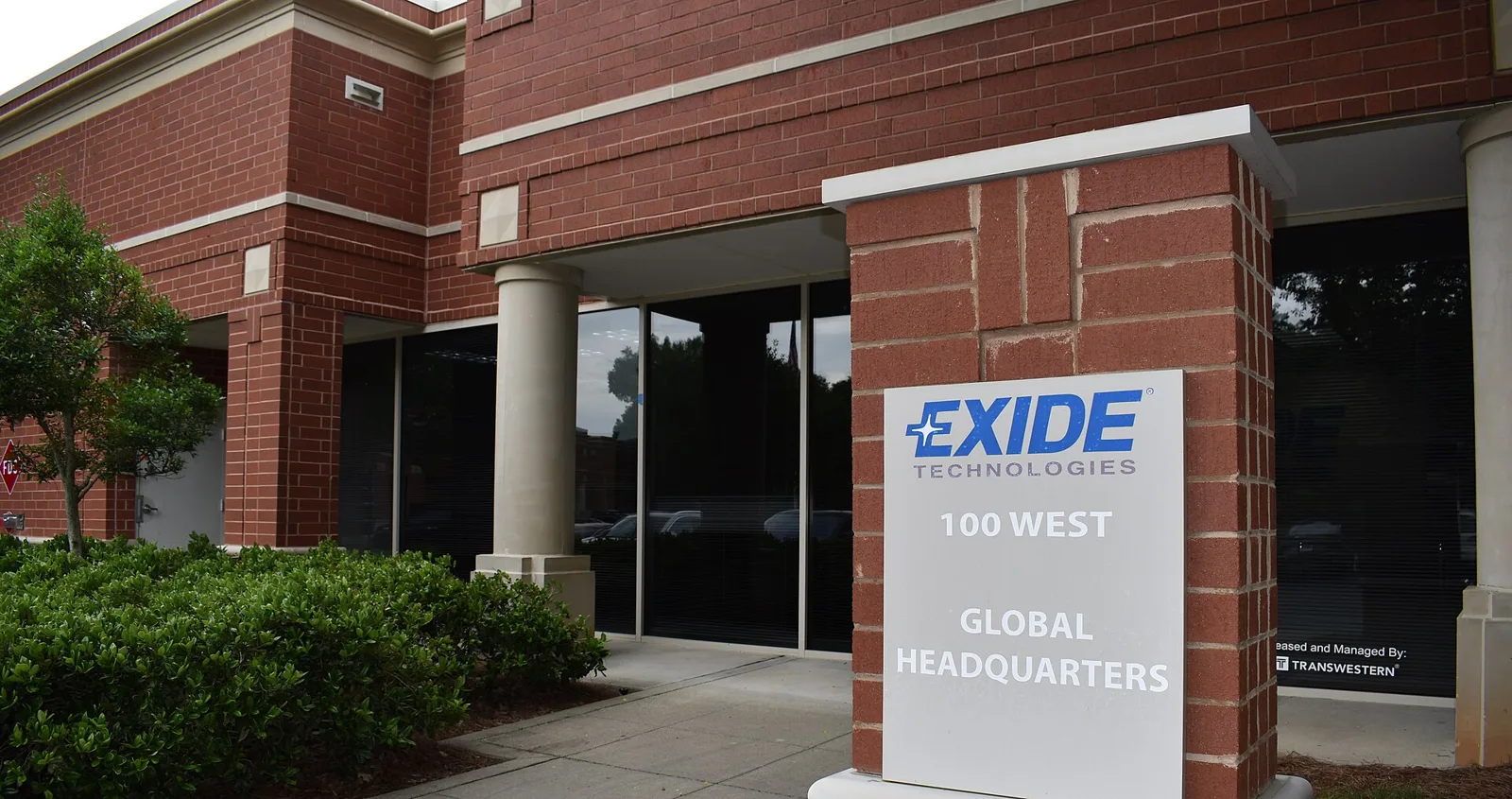
Exide sells batteries for cars, trucks and SUVs, heavy-duty vehicles, lawn and garden equipment, marine and RV use, golf carts and power sports, using absorbed glass mat, flooded, enhanced flooded and gel (VRLA) technologies. In Europe it also markets lithium-ion batteries for motorbikes. Industrial lines include forklifts, railways, mining and submarines, plus energy storage for telecoms, utilities and solar. Its headquarters is in Gennevilliers, France, it operates in about 80 countries, and it has research sites in Georgia, Germany and Spain. In July 2024 it unveiled Solition Mega Three, a containerised energy storage product, and in 2025 it announced it would show its Fulmen commercial vehicle battery line at the Equip Auto fair in Paris.
Exide Industries in India
Exide Industries, based in Kolkata, is the largest maker of lead-acid batteries in India. It runs ten factories in five states: eight make lead-acid batteries and two make home UPS systems, in places from Ahmednagar and Chinchwad in Maharashtra to Haldia and Shyamnagar in West Bengal and Prantij in Gujarat. It also has facilities in Sri Lanka, the UK and Singapore, and exports to more than 60 countries. Its automotive batteries serve two-, three- and four-wheelers, including cars, jeeps, buses and trucks, and are the main power source in E-rickshaws.
The Indian story began with imports. The Chloride Electrical Storage Company was set up in 1920 as an assembly operation, and the first manufacturing unit opened at Shyamnagar in 1947. For road vehicles its main brands were Exide and Dagenite, which Rolls-Royce used. In 1969 a second factory opened at Chinchwad near the automakers it would supply. The Kolkata research centre dates from 1976, and the company has partnerships with Moura in Brazil, Furukawa in Japan, East Penn and Advance Battery Concepts from the US, and China's SVOLT for lithium-ion cells.
Its lithium-ion arm, Exide Energy Solutions, is building a 12 gigawatt-hour cell plant in Bengaluru in two phases of 6 GWh for India's electric-vehicle market and stationary uses. For now the subsidiary makes modules and packs at its Prantij plant. On the recycling side, Chloride Metals operates three smelting and refining plants in West Bengal, Maharashtra and Karnataka that recover lead and alloys for new batteries.
GS Yuasa
GS Yuasa is a Kyoto-based company making lead-acid and lithium-ion batteries for cars, motorcycles, aerospace and defence. It came together in 2004 when Yuasa Corporation merged with Japan Storage Battery. Both halves had long histories. Shichizaemon Yuasa founded Yuasa Iron Works in 1909, the family business dating back to a charcoal trading firm of 1666. It began making storage batteries in 1915 and, three years later set up Yuasa Storage Battery, which soon produced Japan's first automotive batteries. In 1904 Genzo Shimadzu Jr. built a high-capacity lead-acid battery to keep his factory running during Kyoto's power cuts, and the Japanese navy bought 400 of them. He founded Japan Storage Battery in 1917 and started on automotive batteries in 1919. The "GS" comes from his initials.
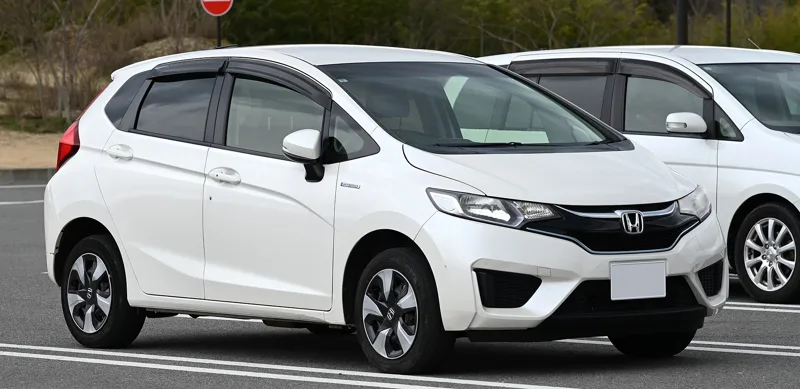
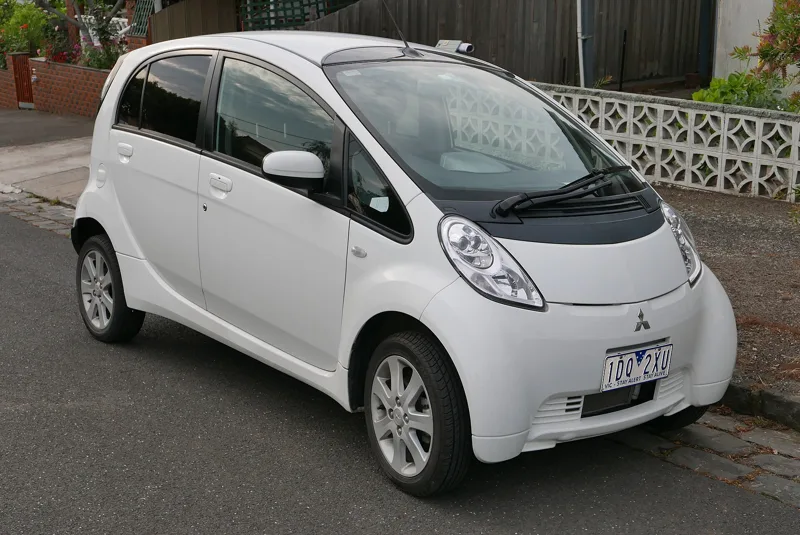
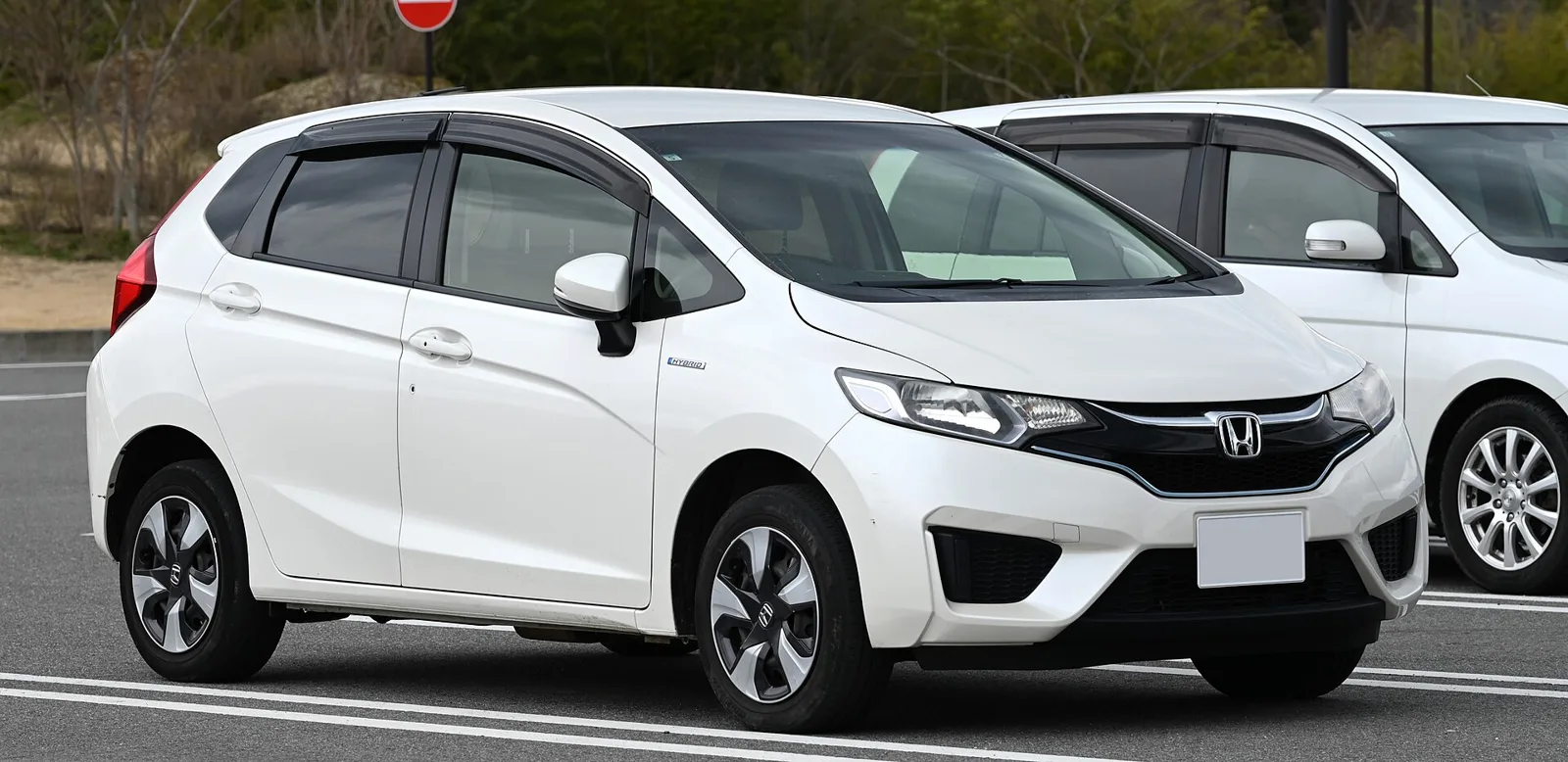
By 2014 GS Yuasa had nine plants for industrial lead-acid and NiCd batteries and five for lithium-ion cells. Yuasa is behind almost 90% of the batteries in North America's power sport vehicles. Its car links include a 2007 joint venture with Mitsubishi Motors, Lithium Energy Japan, whose batteries went into the Mitsubishi i-MiEV, regarded as the first electric car built in volume. In 2009 Honda partnered with it to set up Blue Energy, which supplied lithium-ion batteries for Honda hybrids including the Civic Hybrid, though Honda has looked to partners such as Nissan, General Motors and CATL since the late 2010s. A 2014 venture with Bosch aimed to double energy density and halve cost by 2020, and ended without a meaningful result after Bosch decided in 2018 to outsource cell production.
Overseas, Yuasa Battery Inc. was set up in the US in 1965, and in 1979 began making motorcycle batteries through a joint venture with General Battery. The paths of Exide and Yuasa crossed in 1987, when Fruit of the Loom sold General Battery to Exide; in 1991 Yuasa acquired Exide's industrial division and the result was Yuasa-Exide, whose industrial business became Enersys through a 2000 management buyout. In Europe, Yuasa bought 50% of Lucas Batteries in 1988 and the rest in 1997, selling under the Lucas name until 2006, when it began using its own. It also has an affiliate in Australia, Century Yuasa Batteries, and a joint venture with Mitsubishi Corporation in Vietnam.
Aviation gave GS Yuasa an awkward moment in 2013. GS Yuasa was linked to faulty electrics in the Boeing 787 Dreamliner: the battery control system was made by Thales, which chose GS Yuasa as battery supplier. All Nippon Airways had replaced 10 batteries across 17 planes, and Japan Airlines several on its 7. As of 29 January 2013, the Japan Transport Safety Board had approved quality control at the Yuasa factory while it kept investigating the damaged ANA battery.
Recycling and the cost of lead
Lead-acid batteries lend themselves to recycling. Exide Technologies says it recovers 99% of the lead it receives, and in 2017 it turned 35 million pounds of plastic from US recycling into 13 million new batteries. The World Economic Forum has cited lead battery recycling as a model of a circular economy, and industry-wide the closed-loop process keeps more than 1.7 million tons of lead batteries out of American landfills each year.
The lead itself has caused serious harm. From 2010 onward, seven of its lead-acid plants were tied to airborne lead high enough to endanger neighbouring communities. A 2008 report said its smelter at Bristol, Tennessee, was releasing double the legal limit of pollutants. At Vernon, California, hundreds of residents complained for years about toxic emissions; the plant was under federal criminal investigation in 2013, and closed that April. From fall 2017 the state's Department of Toxic Substances Control began digging out lead-laced soil at 2,500 homes across seven Los Angeles County neighbourhoods. California regulators estimated that the operations may have threatened the health of about 100,000 people and 10,000 properties, and authorised $192 million for the cleanup.
There have been legal troubles as well. Exide admitted a fraud conspiracy in March 2001 and accepted a $27.5 million fine to end a federal investigation into auto battery sales to Sears customers, in which used batteries were alleged to have been sold as new. Two former top executives were sentenced to prison in 2002 over a scheme to sell defective batteries for Sears' Die-hard line.
The three companies compared
| Company | Base | Roots | Car-related batteries |
|---|---|---|---|
| Exide Technologies | Gennevilliers, France | Electric Storage Battery Company, 1888 | AGM, flooded, enhanced flooded and gel batteries; lithium-ion for motorbikes |
| Exide Industries | Kolkata, India | Chloride Electrical Storage Company, 1920 | Lead-acid for cars, jeeps, buses and trucks; lithium-ion modules and packs |
| GS Yuasa | Kyoto, Japan | Yuasa Iron Works, 1909; Japan Storage Battery, 1917 | Lead-acid and lithium-ion; i-MiEV and Honda hybrid cells |