A call-in repair show that admitted it was guessing, a drag series where the loser handed over the keys and a driving school disguised as a contest.
Car Talk was an NPR call-in radio show hosted by Tom and Ray Magliozzi from 1977 to 2012. Pinks was a Speed drag-racing series from 2005 to 2008 in which the winner took the loser's car. Canada's Worst Driver ran on Discovery Channel from 2005 to 2018.
A radio programme whose hosts cheerfully admitted they might be guessing, a drag-racing show in which the loser really did lose the car, and a driving school dressed up as a reality contest: three very different formats, one shared idea. Cars make good entertainment when somebody can be wrong, funny or beaten in front of a crowd. Car Talk, Pinks and Canada's Worst Driver each found a way to put that idea in front of an audience, and each lasted long enough to prove it worked.
The Car Talk radio show started with one brother and an empty panel
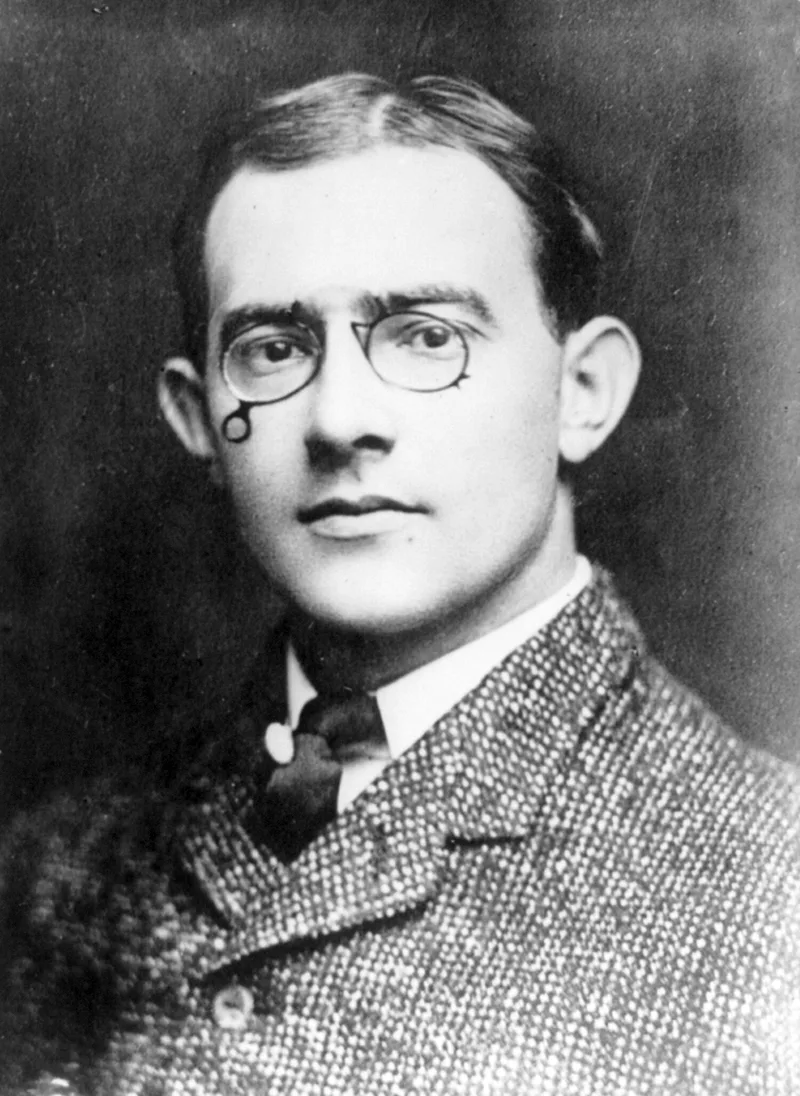
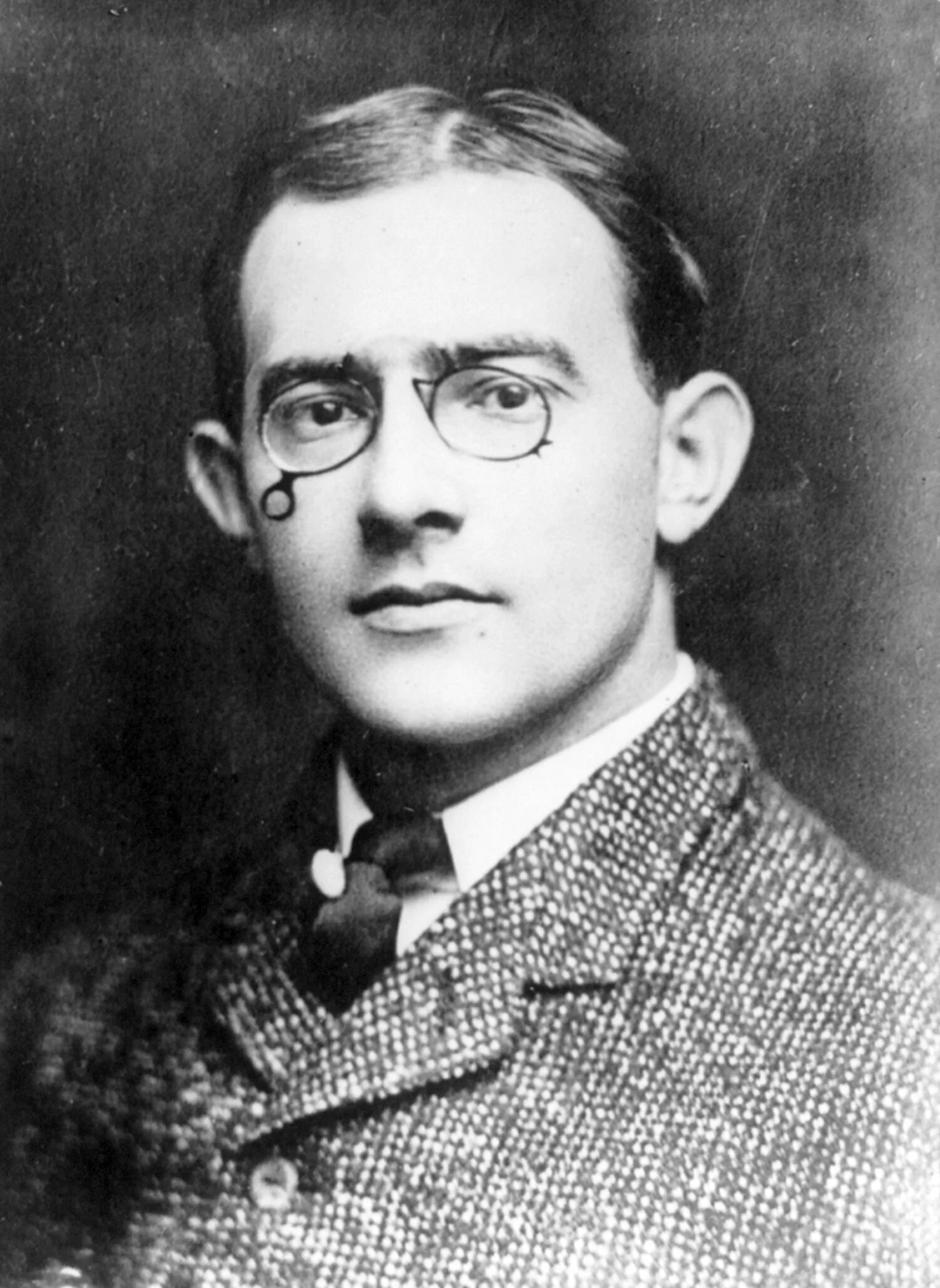
In 1977 the Boston station WBUR-FM put together a panel of local mechanics to talk about repairs. Only one turned up. Tom Magliozzi did well enough to be asked back, and he brought along his younger brother Ray, who knew more about fixing cars than he did. Before long the pair had a weekly show of their own. In 1986 NPR took it national, and it ran on public radio until October 2012.
On air they were Click and Clack, the Tappet Brothers. The Car Talk radio show was a call-in programme built around the sort of problem every driver has had: a noise, a smell, a car that will not start. Callers described the symptoms and often tried to imitate the sound. The brothers worked toward a diagnosis over the telephone, trading jokes with the caller and with each other. They usually got there. When they did not, they gave an answer anyway, one they proudly described as unencumbered by the thought process. That line was the official motto.
Lose the race, lose your ride, and for the Magliozzis, an answer unencumbered by the thought process.
How the Click and Clack call-in system worked
Listeners dialled a toll-free number, 1-888-CAR-TALK, which went to an answering service staffed around the clock. Roughly 2,000 questions arrived each week and the production staff screened them. The brothers, though, never saw the questions beforehand. Their reasoning was that preparing would mean researching the correct answer, and that would be work.
The show settled into a rhythm. A short comedy opening, usually jokes sent in by listeners, led into eight call-in sessions. Early on there were two segments with a break between them; later the programme moved to three, and the final one became a running joke, "the third half".
Between the calls came the regulars. The Puzzler was a riddle, sometimes about cars, and the previous week's answer was revealed at the start of the second half. Listeners were told to send solutions to "Puzzler Tower", written on something that did not exist or cost a fortune, such as a $26 bill. The gag grew out of an earlier line about writing the answer on the back of a $20 bill. One correct entry was drawn at random, and its author won a $26 gift certificate for the show's own store, which the brothers called the Shameless Commerce Division. The prize began at $25 and rose to keep pace with inflation.
Another favourite was "Stump the Chumps", in which the hosts rang back an earlier caller to learn whether the advice had worked. A cousin of that feature, "Where Are They Now, Tommy?", started in May 2001. A fanfare and applause marked a correct diagnosis; a wah-wah tune and the grind of a starter on a weak battery marked a wrong one.
Guests, specialists and a call from orbit
The brothers kept an official Animal-Vehicle Biologist and Wildlife Guru, Kieran Lindsey, to deal with questions such as how to get a snake out of a car. For physics and chemistry they could lean on two Harvard professors, Wolfgang Rueckner and Jim E. Davis. NPR colleagues dropped in, among them Bob Edwards, Susan Stamberg, Scott Simon, Ray Suarez and Will Shortz. Geena Davis, Ashley Judd and the former baseball pitcher Bill Lee all appeared as callers.
The most unusual caller was John Grunsfeld, an astronaut and engineer who rang in during the January 1997 shuttle mission in which Atlantis docked with the Mir space station. He complained about his government van. It ran loud and rough for about two minutes, smoothed out for a further six and a half, then stopped with a jolt. The brakes glowed red-hot and the odometer read about 60 million miles. The hosts were baffled until they noticed that his voice, relayed by satellite from Mir, sounded like Tom Hanks in the recent film Apollo 13. Then they worked out that the van in question was the Space Shuttle.
Why the joke was the point
Self-mockery ran through every episode. The brothers regularly doubted the quality of their own advice, and the closing line each week told listeners they had wasted another perfectly good hour. The sign-off was a ritual exchange: Ray told the audience not to drive like his brother, and Tom replied that they should not drive like his brother either. The original version was "Don't drive like a knucklehead!" The pair voiced two characters in the Pixar film Cars, Rusty and Dusty Rust-eze, a 1963 Dodge Dart and a 1963 Dodge A100 van who sponsor Lightning McQueen. Tom's own Dodge Dart was green, rusty and, on the programme, known as "Dartre".
The Peabody judges noticed. In 1992 the award citation described the programme as a weekly mental tune-up and said its real core was what it revealed about human mechanics. The show was inducted into the National Radio Hall of Fame in 2014, the year Tom died, and the brothers entered the Automotive Hall of Fame in 2018.
Ray and Tom after the microphones went quiet
By 2012 the programme drew 3.3 million listeners a week on about 660 stations. On 8 June that year the brothers said they would stop making new episodes in October. Producer Doug Berman planned to build repackaged shows from 25 years of archives, estimating there was enough for eight years before anything had to be repeated. Tom died in November 2014 from complications of Alzheimer's disease, and Ray presented a memorial episode. The Best of Car Talk broadcasts left NPR's weekly schedule on 30 September 2017, though about 120 of 400 stations meant to keep airing them.
The brand carried on in other forms. A newspaper column, Click and Clack Talk Cars, began in 1989 through King Features and is still written by Ray under the title Car Talk. In 2005 the brothers set up a vehicle donation programme for public radio. According to the programme, more than 40,000 vehicles have been donated, raising over $40 million, with about 70 per cent of proceeds going to local NPR affiliates and programmes. Reruns are available as a podcast, and in 2025 Ray began hosting a revived version, Car Talk+.
The Pinks TV series put a car on the line in every race
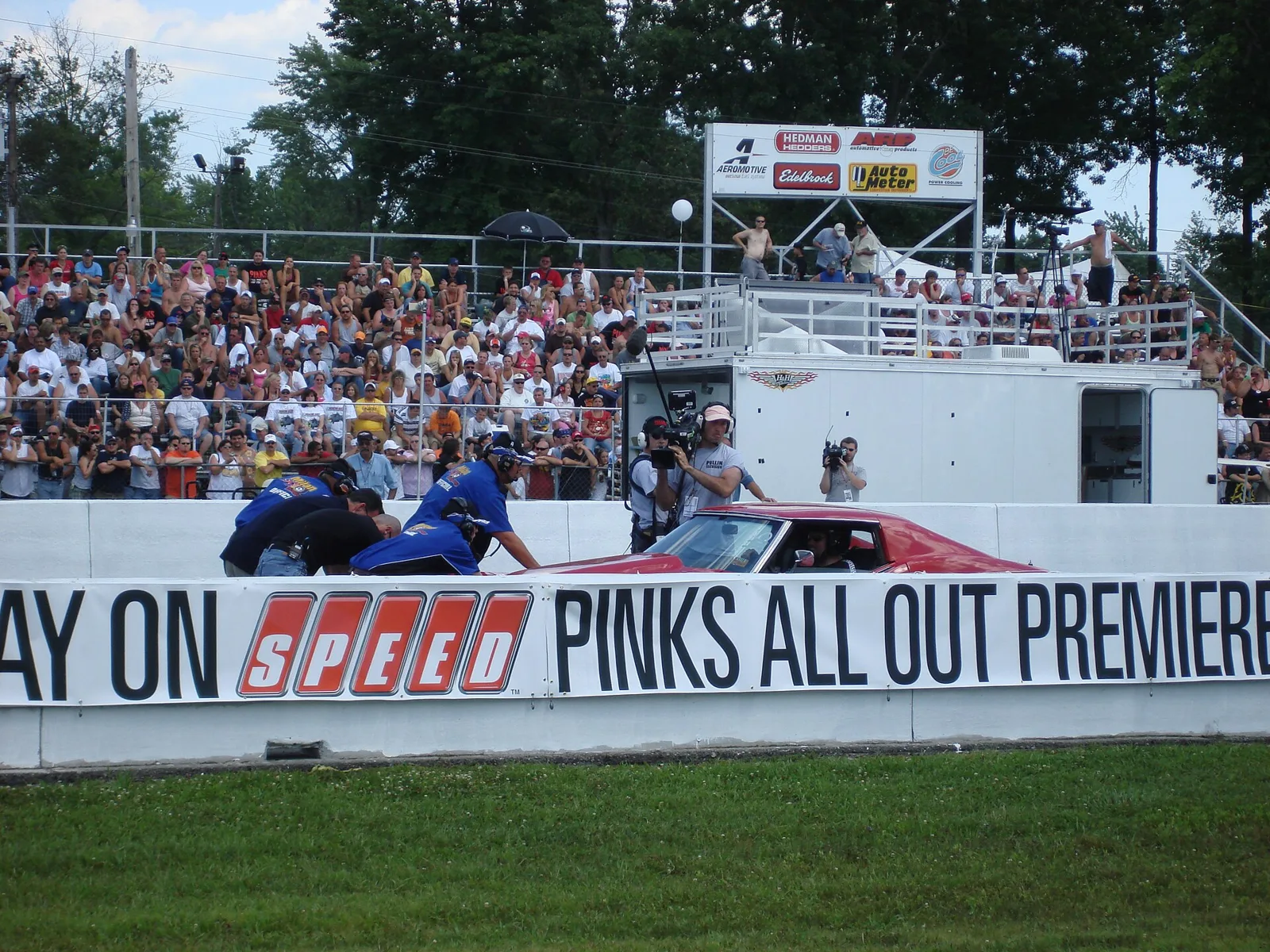
If Car Talk was about fixing cars, the Pinks TV series was about losing them. Pinks ran on Speed from 2005 to 2008, with a spinoff, Pinks: All Out, from 2006 to 2010. The title comes from the slang for a pink slip, the vehicle title that in California was printed on pink paper. "Racing for pinks" meant a race in which the winner took the loser's car. The show's tagline was blunt: lose the race, lose your ride.
The races were held at legal, closed drag strips, but the spirit was borrowed from the street. To make the stakes real, everyone involved, including the host and staff, signed a contract before filming that handed the titles of both cars to the producer, Pullin Television. With the company holding the paperwork, the winner could be given both titles at the end and the loser had no way to back out. The format of a match changed over time, from the best of three races in the earliest episodes to the best of five across the next several years and the best of seven in the fifth series, in 2008.
Negotiating the race before the burnout
Before a match the two teams were allowed to look over each other's cars. Each then chose a negotiator to haggle over terms, chiefly the head start, measured in car lengths rather than seconds, and whether nitrous oxide could be used. The aim was to handicap the quicker car and produce a close contest. In the fifth series teams could even negotiate the times they would aim for in bracket-style racing.
Then came the start. Pinks did away with the electronic starting lights of modern drag racing and used an arm drop instead. Host and creator Rich Christensen pointed at one driver and waited for a thumbs-up, repeated the routine for the other lane, raised both arms, held them for two to five seconds and lowered them. Because nobody could know when the hands would fall, the arm drop took away the delay box, a popular tactic in drag racing.
| Show | Years on air | Medium | What the audience got |
|---|---|---|---|
| Car Talk | 1977 to 2012 (new episodes on NPR) | Radio | Call-in repair advice delivered as comedy |
| Pinks | 2005 to 2008 | Television (Speed) | Negotiated drag races for the loser's car |
| Pinks: All Out | 2006 to 2010 | Television (Speed) | A one-day meet cut from hundreds of entries |
| Canada's Worst Driver | 2005 to 2018 | Television (Discovery Channel) | Driving lessons for eight struggling motorists a season |
Fouls, timing and who walked away with the car
Standard drag-racing rules applied, and a driver lost the round for leaving before the hands dropped, crossing a boundary line, leaking fluid while staged or breaking down. A driver who left the instant the hand began to fall was said to have "tree'd" the opponent. Officials checked times at 330, 660, 1,000 and 1,320 feet, not only at the finish line, because a driver certain of victory can ease off and flatter the loser's margin. The 60-foot mark was skipped, since head starts make it meaningless.
When a match finished, Christensen debriefed both teams and handed the titles to the winner, who would often drive the loser's car down the strip. If a rival suffered a catastrophic failure, the winner would frequently decline to keep the car and ask for a rematch on a later episode, on the view that a car should be won on the track and not by default.
Pinks: All Out and the hunt for the closest field
In 2006 the producers expanded the idea into a full drag meet. Entries usually numbered between 250 and 450, with some third-season races passing 500, so many that a limit of 400 was introduced and "runoffs" were held weeks beforehand. On the day, officials inspected the cars, sending home any that looked likely to break and spill fluid. A spill could take an hour or more to clean. From the third season, a car that caused a long delay by leaking was disqualified outright.
Each car made a timed pass, and the producers then looked for a set of cars with times so close together that the racing would be tight, within a tenth or two of a second. That group, the All Out 16, later more often 32, raced through eliminations. In some races a group called the Underdogs met another called the Defenders. Winning the 16-car round earned $1,000 that could be wagered in later rounds. In the final season of the original series, winning the 32-car round was worth a sponsor's gift certificate of around $500. One day at the Texas Motorplex in 2009 was condensed because of a curfew, after two 90-minute delays caused by coolant spilling onto the surface.
Pinks returned in 2016 under new producers
A new version arrived in March 2016 on Outdoor Channel and Fox Sports Racing, produced by Brian Bossone's company Boss One Media. Bossone had been a contestant before becoming a technical advisor on the original.
Canada's Worst Driver turned a licence into the prize
Canada's Worst Driver ran on Discovery Channel from 2005 to 2018 and was based on the British series Britain's Worst Driver. Proper Television made it. Its president, Guy O'Sullivan, had directed the British original, and the Canadian show became the company's flagship. With its sister programme Canada's Worst Handyman, which ran from 2006 to 2011, it became one of the two highest-rated programmes on Discovery Channel.
The tone is what sets it apart. Other national versions are played largely for laughs, whereas the Canadian one stresses the learning process and the science of driving. It lasted 14 seasons and 115 episodes counting specials, which makes it the second-longest-running Worst Driver series; only Finland's has gone on longer. Andrew Younghusband hosted every season.
How the Driver Rehabilitation Centre works
Each season, eight drivers arrive with the people who nominated them for the programme. Their first task is to find the Driver Rehabilitation Centre following directions, starting about an hour away. On arrival every contestant's licence is taken. The opening episode ends with an obstacle course that demands less than an inch of clearance each side, and Younghusband runs every challenge first, to show that an ordinary driver can do it without hitting anything.
From the second episode, each driver meets the host and a panel of four experts. The panel decides which driver and nominator pair has improved enough to graduate. A graduate leaves with the licence and, typically, the nominator and the car they came in. The experts may graduate nobody in an episode, or several drivers at once, and may expel anyone who shows no willingness to learn. When three remain, they face a Mega Challenge that combines elements of everything before it, plus a standard driving test through a major city. The result names Canada's Worst Driver. Unlike versions elsewhere that reward or destroy the car, the prize is only a commemorative trophy.
The challenges teach a lesson, and the lesson is usually physical
The head instructor of the sponsoring driving school sits on the panel. Challenges are tailored to each contestant. Many are ordinary lessons, such as parallel parking, reversing and towing a trailer, and some go beyond the beginner syllabus, such as driving a manual or attempting a Scandinavian flick.
Two have appeared in every season since the first. The Eye of the Needle asks drivers to pass through archways at a minimum speed, teaching them to look at the gap they want and not at the edge. The Water Tank Challenge puts a tank on the roof and spills it over the occupants if the driver brakes too hard, which makes smooth braking a matter of dry clothes. A hump on the course repeatedly soaked Younghusband in his demonstration runs.
Others teach one point each:
- Distracted Driving, added in the second season, has contestants circle while eating a sandwich, changing a CD or texting. It proved so effective on Matt Elkind that it returned every year.
- Swerve and Avoid sends drivers at a wall at speed and asks them to steer away at the last moment, without touching the brake.
- The Shoulder Check Challenge posts signs facing backwards, so that drivers must look behind. The lesson is to turn only the head, not the whole body, which would turn the wheel.
- The Trough, introduced in the fifth season, makes drivers cross a line of concrete barriers laid on their sides and shows that rear wheels cut a tighter path than front ones.
Car Talk and Pinks today
Car Talk lives on through its reruns on podcast services and the newspaper column Ray still writes, and in 2025 Ray began hosting Car Talk+. Pinks has already come back once, in the version that began in March 2016.