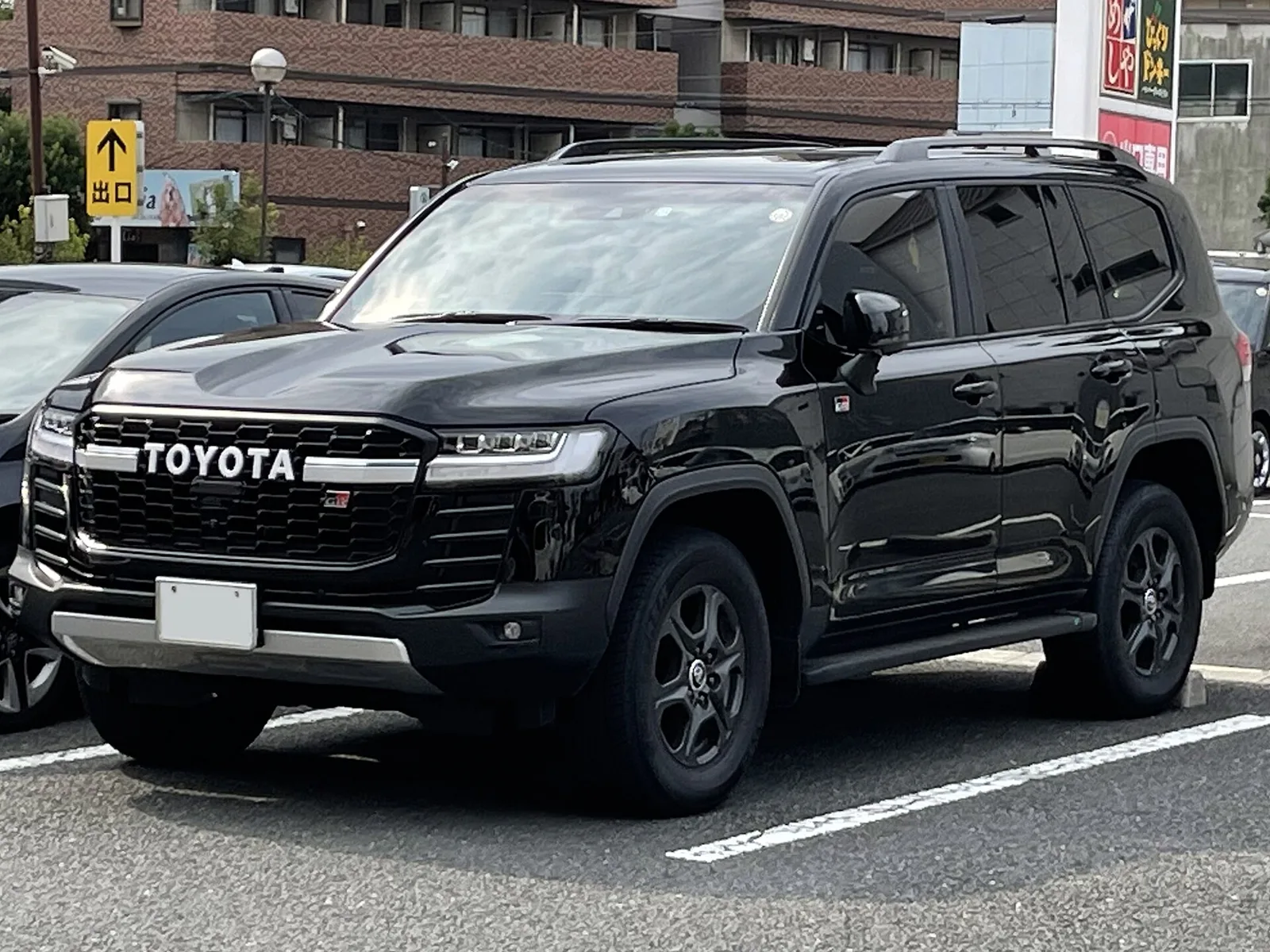
A spin-off that became a global group known for hybrids, the Corolla, the Lexus luxury line and a long run of endurance racing success.
Toyota is a Japanese carmaker headquartered in Toyota City, Aichi. It was incorporated in 1937 after growing out of a machine business, and it now ranks among the world's biggest carmakers. The company is known for the Corolla, the Prius hybrid and the Lexus luxury brand.
Based in Toyota City, Aichi Prefecture, Japan, Toyota is one of the world's biggest vehicle manufacturers. It began as a spin-off from a machine maker and today sells cars under four brands. Its story runs from early trucks and passenger cars to a hybrid pioneer, a luxury division and a run of Le Mans victories.
When was Toyota founded?
Toyota was incorporated on August 28, 1937, after its automobile work had started inside a machine maker. An automobile division had been set up on September 1, 1933, and the company later took on the Toyota name. A plant at Koromo was inaugurated on November 3, 1938.
Because the car business was spun off from an industrial parent, it began with an established engineering base rather than as a fresh start-up. That origin explains why the company's early years look more like a steady build-out than a sudden launch.
A spin-off from a machine maker that grew into a global carmaker, with hybrids at the centre of its story.
From first trucks to the Model AA
The early programme moved in clear steps. A Type A engine prototype was completed on September 25, 1934, and the G1 truck reached completion on August 25, 1935. The G1 became the first production model, and a total of 379 G1 trucks were produced.
The first passenger car was the Model AA, completed in April 1936. It was priced at 3,350 yen, which made it 400 yen cheaper than Ford or GM cars. That gap gave the young company a clear selling point against well-established American rivals.
Government policy also shaped the early years. Japan barred the import of Ford and GM cars, which shielded the domestic maker from two of the largest names in the industry. Taken together, the early dates show a company that moved from trucks to passenger cars in a short span.
Why did the company adopt the name Toyota?
A logo competition in September 1936 drew 27,000 entries, and it was Rizaburo Toyoda who preferred the name Toyota. He pointed to a spelling that takes eight brush strokes to write in Japanese. That decision set the name the marque still carries today.
The original emblem was a stylised form of the katakana characters for Toyota. A three-oval T logo, introduced in October 1989 for the 50th year, appeared on most vehicles from 1990. The katakana emblem remains the corporate emblem in Japan, so the company's older identity has never fully disappeared.
Wartime bombing and the Koromo Plant
The Koromo Plant was inaugurated on November 3, 1938, and it was bombed on August 14, 1945, a day before the surrender. The timing meant the damage landed while Japan was close to giving up the war.
The episode is a reminder that the company's industrial base grew up under heavy state involvement. Import barriers on Ford and GM cars meant the domestic maker's position was shaped by policy as much as by engineering.
Who leads Toyota today?
Akio Toyoda has chaired the company since April 2023, and Kenta Kon became president and chief executive in April 2026. Their roles divide the work between the board and the day-to-day running of the business. The two dates mark a clear change of leadership in recent years.
Leadership matters in this story because the company's choices on electric vehicles, hydrogen and self-driving technology are set at the top. Readers following the strategy should watch how the new chief executive handles those long-running bets.
Listings, ownership and size
The company's shares trade on the London, Nagoya, New York and Tokyo exchanges. The biggest single holder is The Master Trust Bank of Japan, which held 14.05% in 2023.
Its market capitalisation was approximately US$259.7 billion as of 2025, and revenues exceeded US$400 billion as of 2024. For fiscal 2024 the company reported revenue of 45.1 trillion yen and earnings of 4.9 trillion yen.
The production base is spread across the country. Seventeen manufacturing facilities sit in Aichi Prefecture, and 32 plants operate in Japan as a whole.
How many vehicles does Toyota make?
Toyota builds about 10 million vehicles a year. In 2012 it became the first automaker to build more than 10 million vehicles, and it had produced 300 million vehicles in total by September 2023. Those milestones show how output has grown over several decades.
Sales figures tell a similar story. The company reported 5.1 million vehicles sold in the first half of 2014, which narrowly topped global sales. Those results were close enough to show how tight the race for the top spot could be.
By 2020 the company had reclaimed the title of largest automaker, passing Volkswagen. It sold 9.528 million vehicles even though sales fell by 11.3%, a result that showed resilience in a difficult year.
The Corolla and mass-market success
The Corolla is the world's all-time best-selling automobile, a record that shows how a modest car can carry a brand over many years.
Affordable models for ordinary buyers have been a theme from the first Model AA onward. Price has been a consistent thread in Toyota's story, running from the 1936 passenger car through to the mass-market models that followed.
What is Lexus and when did it start?
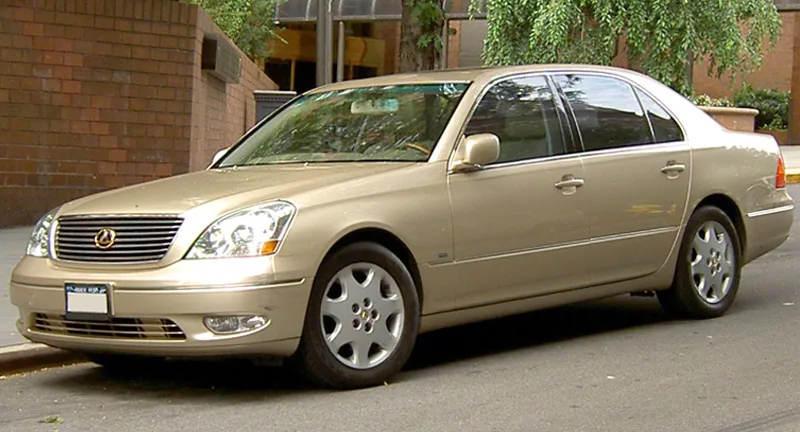
Lexus is Toyota's luxury brand. Work on it started in secret in August 1983, and the programme cost more than US$1 billion before launch. The LS 400 flagship debuted in 1989, and the brand reached Japan in 2005. It is one of four brands in the group today.
The secrecy of the early work is part of the Lexus story. The team built the brand and its vehicles away from public view for years before launch, which allowed it to develop a new identity from scratch.
The LS 400 was the first major statement of the brand, and its debut in 1989 set the tone for what followed.
Hybrids and the Prius
Toyota's hybrid story starts with the Prius, a pioneering production hybrid whose launch date was December 1997. The hybrid system goes by the name Hybrid Synergy Drive, and it was first applied to the Camry.
Scale followed. Over 15 million hybrid vehicles have been sold since 1997, and as of January 2020 the company offered 44 hybrid models across more than 90 nations.
A plug-in version came later. The Plug-in Prius saw 75,400 vehicles built between 2012 and 2016, a modest run for a plug-in model.
Hybrids remain at the centre of the brand's identity, and they show that the company's early bet on electrified driving has lasted for a long time.
Did Toyota build electric cars early on?
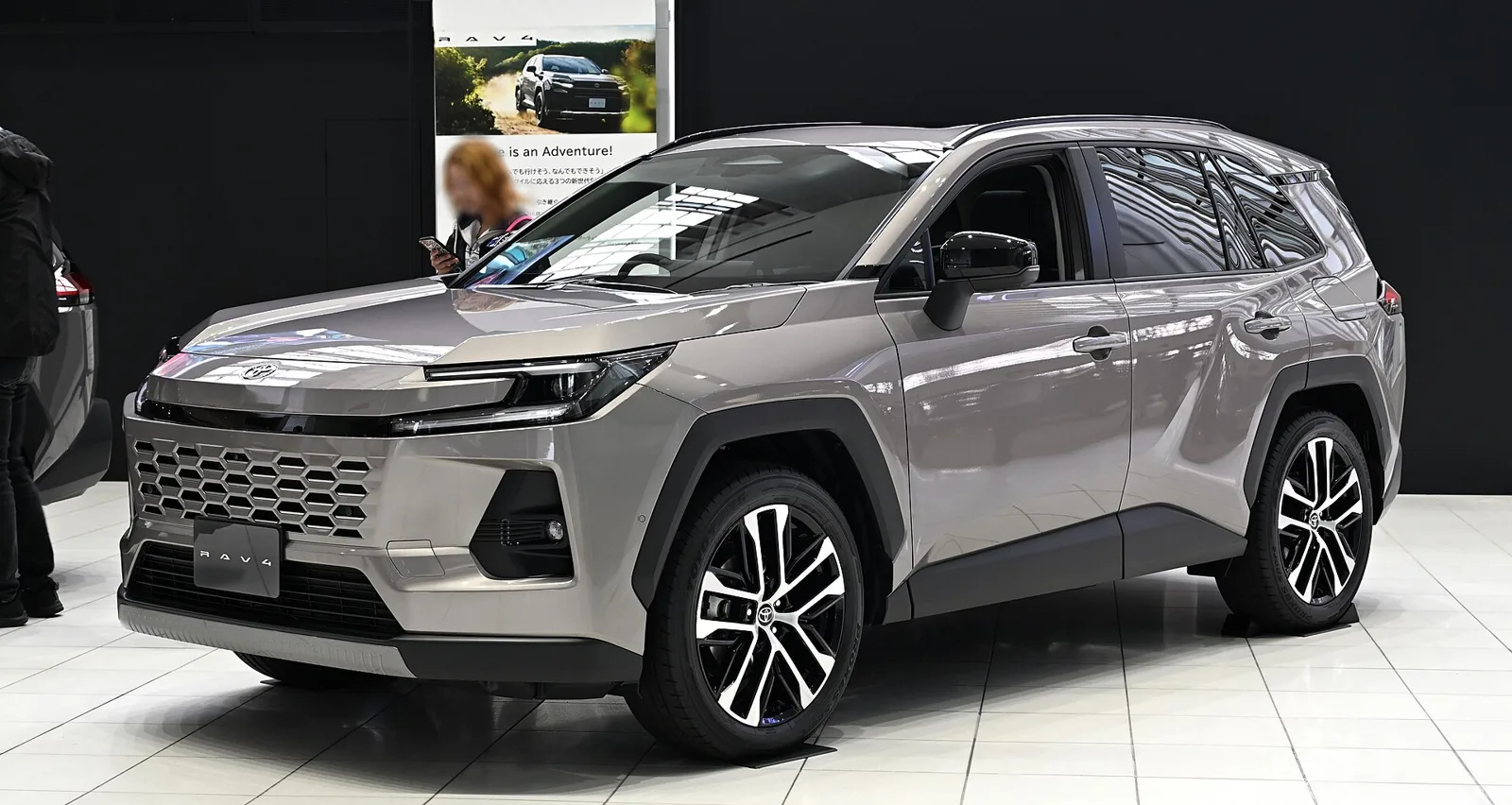
Yes, though in small numbers. The first RAV4 EV saw 1,484 leased or sold in California between 1997 and 2003, and a later generation used Tesla battery and powertrain components. Since then the company has set a target of 30 battery-electric models by 2030, a clear move in direction.
Critics have pushed hard on the pace. Transport and Environment ranked Toyota the least ready carmaker for battery electric vehicles by 2030, a verdict that added to the scrutiny of its electric plans.
In December 2020 Akio Toyoda called electric cars excessively hyped. His comments showed a leader who was sceptical of the near-term case for an all-electric line-up, and that view has been part of the public debate.
Hydrogen, the Mirai and the Hilux
Toyota's hydrogen work centres on the Mirai, which went on sale in Japan from December 2014. US retail sales began in August 2015, starting in California.
The company also released 5,600 fuel-cell patents for free use until 2020. The patent release sits alongside its commercial sales effort.
Trucks are part of the plan too. A deal with the UK government, valued at 11.3 million pounds sterling, backed development of a hydrogen-powered Hilux pickup, which takes the technology beyond passenger cars.
What is Toyota doing with self-driving cars?
Toyota is developing self-driving systems called Chauffeur and Guardian, but neither has reached a production vehicle. The company has invested heavily in autonomous research, spending almost US$4 billion on a Silicon Valley institute and buying Lyft's self-driving unit for $550 million.
The company has combined its own research with outside purchases, which shows it has tried to reach the field from several directions.
Woven City is a 175-acre metropolis near Mount Fuji, and it forms part of the company's wider forward plan. The bZ4X, the first model on the e-TNGA electric platform, marked a clear step into dedicated battery-electric design.
Has Toyota won Le Mans?
Yes. Toyota won the top class at Le Mans five consecutive times, from 2018 to 2022, using the TS050 Hybrid and GR010 Hybrid cars. Toyota Gazoo Racing Europe competes in the World Endurance Championship, the series where that Le Mans effort took place.
Toyota Gazoo Racing works across several championships, from endurance racing to rallying.
Formula One, rallying and US racing
Toyota ran a Formula One team from 2002 to 2009. It announced a return on October 18, 2024, partnering with the Haas team.
Toyota Gazoo Racing WRT competes in the World Rally Championship, while Toyota Racing Development USA covers NASCAR and NHRA in the United States.
Taken together, these programmes show a company that spreads its motorsport effort across endurance, rallying, single-seater racing and American stock car racing.
Which brands sit under the Toyota group today?
Toyota Motor Corporation sells vehicles under four brands as of 2026: Century, Daihatsu, Lexus and the namesake Toyota. Century was split out as its own marque in October 2025, and Gazoo Racing is being spun off as an independent brand with the rebrand expected to finish in January 2027.
Lexus and Daihatsu sit alongside Century and the core Toyota brand, each with its own role in the lineup.
Century was spun off in October 2025 as an independent marque focused on low-production, hand-built ultra-luxury vehicles. The racing brand's rebrand of its models is scheduled to finish in January 2027, which means the Gazoo Racing name will stand on its own badges by then.
Models and pickups
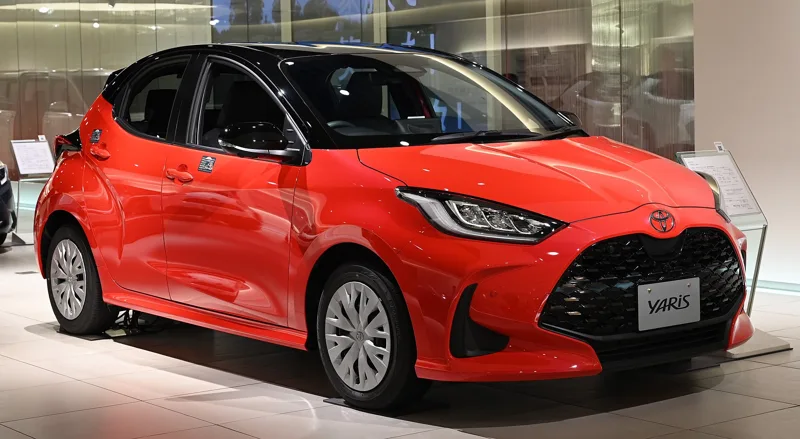
Toyota sells about 70 models under its namesake brand. Passenger sedans range from the Yaris to the Crown, which gives the range a wide spread of sizes.
Pickups have a long thread in the story. The compact Hilux pickup launched in 1968, and the Tacoma followed in North America in 1995, based on the Hilux.
A full-size pickup, the T100, was offered from the 1993 model year in the US. The Tundra replaced it in 1999 with a V8 engine, which put Toyota squarely in the American full-size market.
The Coaster minibus, introduced in 1969, seats 17 passengers. The Toyota Sora, introduced in 2018, was the company's first fuel-cell bus, adding a heavier-duty option to the range.
How many vehicles were recalled over unintended acceleration?
Around 9 million cars and trucks were recalled worldwide over unintended acceleration. The US safety regulator, NHTSA, received reports of 37 deaths tied to the problem. The penalty that followed was the US$1.2 billion criminal penalty, the biggest of its kind imposed on any carmaker.
The scale of the response is the main point. A recall covering roughly nine million vehicles touched owners across many markets,.
Other penalties and the Daihatsu scandal
In November 2016 Toyota agreed to a US$3.4 billion settlement over frame corrosion. The settlement concerned frame corrosion in several models.
In 2025 Hino pleaded guilty and was ordered to pay $1.6 billion, a sum that rivals the earlier criminal penalty in size. Such cases show how emissions and safety reporting can carry heavy financial consequences.
The Daihatsu testing scandal was revealed on 28 April 2023. The company halted shipments of 64 models on 20 December 2023.
Norway banned self-charging hybrid adverts in 2020, which shows how marketing language around hybrids can draw regulatory attention.
Environmental targets
Toyota has set a goal of a 90% cut in carbon emissions by 2050, measured against 2010 levels. The aim sits within a wider push on the environment, alongside the hydrogen and hybrid programmes already described.
Targets of this kind depend on steady delivery across the whole business, from vehicle design through to production sites, so progress will be judged over many years rather than in a single season.
Where does Toyota build cars outside Japan?
Toyota's Australian plant closed on October 3, 2017, after producing 3,451,155 vehicles, with a peak of 15,000 cars a month in October 2007. In South Africa, the company set a record of 13,276 units sold in 2025, and its Corolla Cross is the country's best-selling passenger vehicle.
The Australian story ends with a large total output, which shows how far local manufacturing had gone before the plant shut. It is a useful reference point for anyone tracking how the company's global footprint has changed.
In South Africa the 2025 record came in a year when the Corolla Cross led the passenger market.
The Toyota Way
The Toyota Way is the set of principles behind the company's management and production. Its leaders defined it formally in 2001.
The Toyota Way rests on two pillars: continuous improvement and respect for people. Improvement is treated as an ongoing task rather than a one-off project.
What is the Toyota Production System?
The Toyota Production System is the company's production method, resting on just-in-time supply and jidoka. Jidoka means automation with a human touch, which is the second pillar of the system. The Toyota Way underpins the whole approach across the company's plants.
The Toyota Production System is the practical side of the Toyota Way, the set of ideas that guides how the work is organised on the factory floor.
What are Toyota's key figures?
Toyota is headquartered in Toyota City, Aichi, and was incorporated on August 28, 1937. It is listed on four stock exchanges, and its market value stood at approximately US$259.7 billion in 2025. Its brands are Century, Daihatsu, Lexus and Toyota, and it builds about 10 million vehicles a year.
| Specification | Detail |
|---|---|
| Headquarters | Toyota City, Aichi, Japan |
| Incorporated | August 28, 1937 |
| Founder | Kiichiro Toyoda |
| Chairman | Akio Toyoda, since April 2023 |
| President and CEO | Kenta Kon, since April 2026 |
| Vehicles per year | About 10 million |
| Hybrid models | 44 hybrid models in over 90 countries (January 2020) |
| Prius launch | December 1997 |
| Brands | Century, Daihatsu, Lexus, Toyota |
| Market capitalisation | Approximately US$259.7 billion (2025) |
| Largest shareholder | Master Trust Bank of Japan holds 14.05% (2023) |
| Stock exchanges | London, Nagoya, New York, Tokyo |
The table mixes US dollar and yen figures, so compare like with like when reading the numbers side by side.
Frequently asked questions
Which stock exchanges list Toyota shares?
The shares trade on four exchanges: London, Nagoya, New York and Tokyo. Those listings put the company in several major financial centres.
Who is Toyota's largest shareholder?
The Master Trust Bank of Japan is the largest shareholder, with 14.05% of the shares in 2023. That stake is the biggest single holding in the company's register.
How many hybrid models does the company sell?
The figure of 44 models, sold in over 90 countries, is a count from January 2020. Later figures may differ from this count.
When did the Prius first go on sale?
The first Prius arrived in December 1997 as a pioneering production hybrid. A plug-in version came later, and 75,400 units were built from 2012 to 2016.
What happened to the Century name in 2025?
The Century nameplate was separated into its own brand in October 2025. It targets ultra-luxury cars built in small numbers by hand.
_front.jpg)