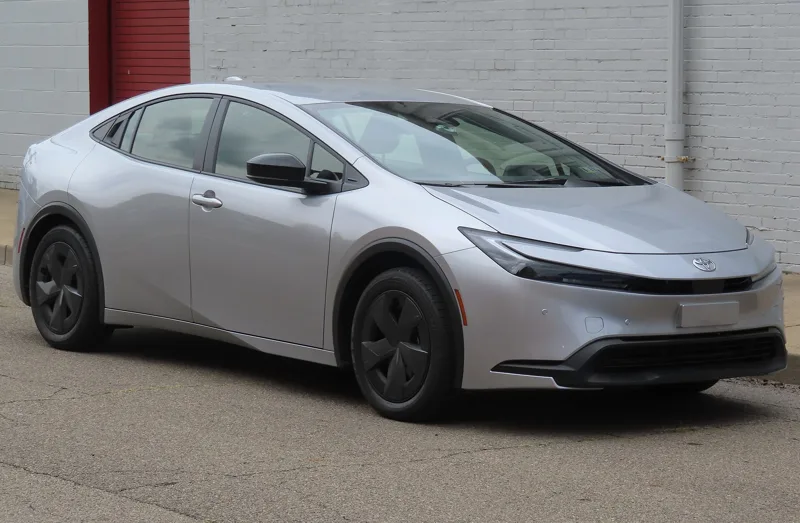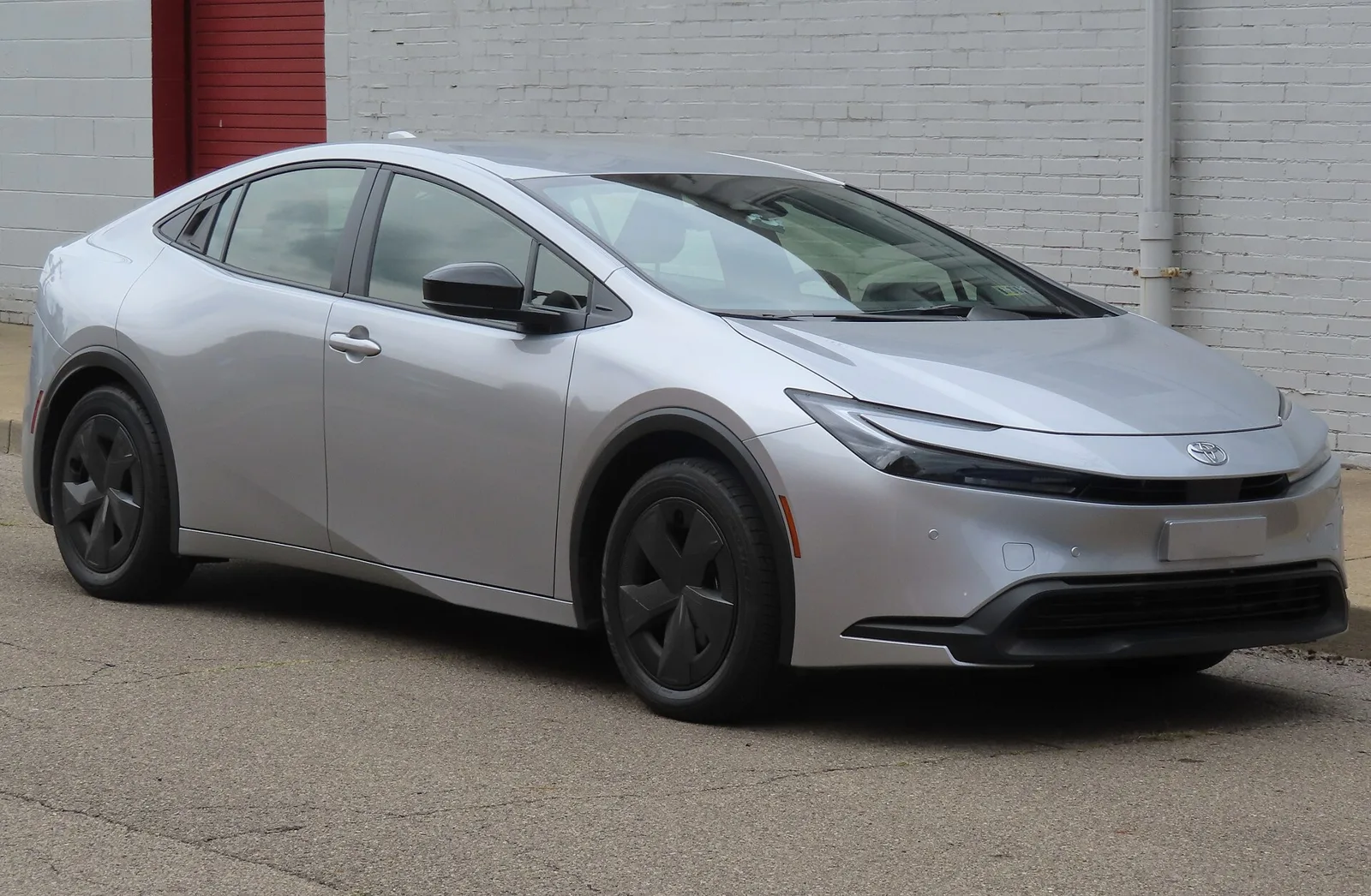
Building the battery adds emissions before the car turns a wheel. What the life-cycle studies say about break-even distance, the grid and the trade-offs.
Over their whole lives, battery electric cars generally emit substantially fewer greenhouse gases than comparable petrol cars. Building one emits more, mostly because of the battery, but an ICCT assessment of medium cars in the EU found that extra amount recovered after about 17,000 km of driving.
An electric car rolls out of the factory having already done more climate damage than a petrol car of the same size. According to an ICCT assessment, building a medium-sized EV for the European market in 2025 causes about 40% more emissions than building its petrol equivalent. Then the arithmetic turns: the same assessment finds the debt is repaid after roughly 17,000 km of driving, and the electric car pulls steadily ahead from there.
Are EVs better for the environment? The short answer
On greenhouse gases, across the full life of the car, generally yes. Under today's conditions in most regions, battery electric cars produce substantially fewer emissions than petrol or diesel cars of similar size. The Intergovernmental Panel on Climate Change goes further: of all the ways to cut life-cycle greenhouse gases from land transport, it ranks electric vehicles fed by low-emissions electricity highest.
That is not the same as saying an EV is emission-free. Making one carries a larger climate and material footprint, mostly because of the traction battery. Mining and electricity generation can pollute far from the road where the car is driven. And an EV still sheds particles from tyres and the road surface, even though nothing comes out of an exhaust.
Judging a car by its tailpipe alone is like judging a restaurant by its dining room.
How a life-cycle assessment measures an EV's carbon footprint
Judging a car by its tailpipe alone is like judging a restaurant by its dining room. A life-cycle assessment, or LCA, follows a product from raw-material extraction, which practitioners call the cradle, through manufacture, distribution and use, to recycling or disposal, the grave. For an electric car that means digging up the minerals, refining them, building the battery and the body, generating the electricity, driving, servicing, and finally recycling or reusing what is left.
Anything narrower misleads. A comparison covering only exhaust emissions, or only battery manufacture, ignores big stretches of one or both powertrains' lives and cannot settle which car is cleaner overall.
LCAs follow the ISO 14040 and 14044 standards, and they begin by fixing a goal, a functional unit (the precise service being compared) and a system boundary (which processes count). Those choices matter. The method has critics, who point to inconsistency, cost and the difficulty of drawing boundaries, and the standards are loose enough that an LCA run by 10 different parties could produce 10 different answers. Results depend on battery size, energy consumption, vehicle lifetime, distance driven, how the battery was made, the charging electricity and how the grid is assumed to change. A figure measured for one country, model year or scenario cannot be stamped onto every electric car.
EV battery manufacturing emissions: where the debt comes from
Producing a battery electric car currently emits more greenhouse gas than producing a comparable combustion car, and the battery generally accounts for most of the gap. Think of it as a mortgage taken out at the factory gate: a large sum owed on day one, paid down every kilometre the car runs on cleaner energy than petrol.
The size of the debt is not fixed. A bigger battery means a bigger debt, and so does dirtier energy, because the electricity and heat that go into making cells and refining their materials all count. Frugal chemistries, efficient factories, cleaner energy and recycled content shrink it.
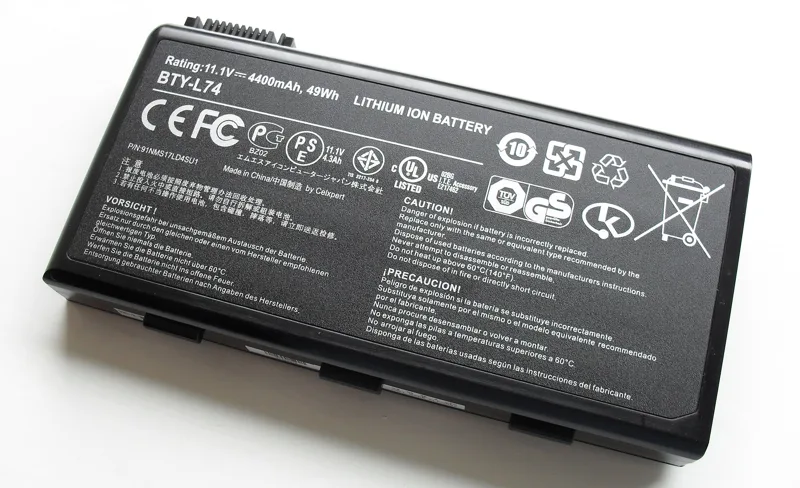
Chemistry matters because lithium-ion batteries are not one product. They need lithium and graphite, while the nickel and cobalt content depends on the cathode. Lithium iron phosphate cells contain neither nickel nor cobalt and were fitted to roughly 40% of the EVs sold in 2023, while nickel-rich chemistries pack in more energy for their weight. Any claim about an EV's material footprint is only meaningful if it names the chemistry and the capacity.
The motor is a smaller part of the story. Neodymium and praseodymium, both rare-earth elements, turn up in the permanent magnets of some EV motors, yet induction motors and certain externally excited synchronous designs do without magnets altogether, so it is wrong to assume every electric car depends on rare earths.
EV vs petrol emissions once the car is moving
Once the car is on the road, the sums reverse. An electric motor turns a much larger share of the energy it is given into motion than an internal combustion engine does, and regenerative braking claws back part of the energy that a conventional car would shed as heat. Even with the extra weight of a battery, an EV needs less delivered energy per kilometre than a comparable combustion car.
The ICCT looked at medium cars on sale in the European Union during 2025 and put numbers on it. Assuming the average electricity mix projected across the car's life, a battery electric car emits 63 g per kilometre, measured as carbon dioxide equivalent. A petrol car emits 235 g. That is a reduction of 73%, and the ICCT stresses that the figures describe its own European vehicle, lifetime, consumption and electricity assumptions rather than every car everywhere.
| Assessment | What it covered | What it found |
|---|---|---|
| Peer-reviewed model, 2022 | 35 countries, including Europe and other large markets | BEVs beat petrol cars on life-cycle greenhouse gases in 26 of the 35 |
| ICCT | Medium cars sold in the EU in 2025 | 63 g per km for a BEV against 235 g for petrol, a 73% reduction |
| Peer-reviewed study | 5,000 configurations, 16 regions, four energy pathways, at least 100,000 km driven | BEVs below hybrids in 99% of comparisons, by 32% to 47% on average |
| US vehicle-level assessment | 2023 light-duty market, each model swapped for a BEV in the same segment | Fleet life-cycle emissions down 54% |
| German government-commissioned LCA | 55-kWh compact car first registered in 2020 | 41% less greenhouse gas and 23% less cumulative energy than the petrol equivalent |
How long does it take for an EV to offset its carbon footprint?
In the ICCT's European case, about 17,000 km. That is the point at which the 40% production penalty has been recovered, and everything after it is a net gain for the electric car. It is a short distance next to the lifetime of a car, but the ICCT is explicit that the figure belongs to its own assumptions and should not be carried over unchanged to another country or vehicle class.
The studies agree on what moves the break-even point. It comes sooner with a small pack, a clean factory and low-carbon charging. It comes later with a big pack, dirtier electricity or few kilometres each year. After break-even, the cumulative advantage normally keeps growing with every kilometre, and it can grow faster still as the grid cleans up.
Longer-horizon work leans the same way. Another peer-reviewed study modelled 5,000 vehicle configurations in 16 regions under four future energy pathways. Electric cars carried a lower carbon footprint than hybrids in 99% of the comparisons, averaging 32% to 47% lower. That result is conditional on the modelled energy pathways and on cars travelling at least 100,000 km, and it does not claim that every electric car beats every alternative in every use. A separate model-by-model assessment of the 2023 US light-duty market estimated that if every combustion, hybrid and plug-in hybrid were replaced by a battery electric car from its own segment, the fleet's life-cycle greenhouse gases would fall by 54%.
How the electricity grid changes the answer
Charging an EV on a grid dominated by fossil fuels is not the same as charging one where the power comes from wind, solar or nuclear. The 2022 peer-reviewed model, which spanned Europe and a handful of other big markets, found that electric cars of the day beat petrol cars on life-cycle emissions in 26 of the 35 countries it examined. The exceptions were mainly places with highly carbon-intensive electricity.
Electricity can come from fossil fuels, nuclear power, solar, wind or any blend, and some utilities let customers ask for renewable supply. The running footprint therefore differs from place to place and across the years, and it is lowest when charging draws on low-emissions power.
There is also a quirk with no equivalent in a petrol car. A combustion car's exhaust emissions per kilometre stay roughly where they were on the day it was sold. An existing electric car's emissions intensity can fall during its life as the grid gets cleaner. That is why serious assessments model when the production and the driving happen. Applying today's electricity mix to every future year can overstate an EV's emissions; assuming a rapid clean-up that never arrives would flatter them.
Where electric cars do worse
A lower carbon footprint does not guarantee lower impact in every category. The German government-commissioned study of a compact electric car registered in 2020 is the clearest example. It found 41% less greenhouse gas and 23% less cumulative energy than the petrol comparison, but in the model acidification came out 25% higher, aquatic eutrophication 221% higher and fine-particle formation 23% higher.
The study followed the ISO framework but had no external critical review, its figures apply to a 55-kWh compact car under German assumptions, and its scenarios suggest most of the disadvantages shrink as electricity and industry get cleaner. A peer-reviewed multi-region assessment reached a compatible conclusion: electrification has substantial decarbonisation potential, but it can move some respiratory-health burden away from busy urban roads and towards communities near power stations and material supply chains.
Removing the exhaust does lower what people breathe at street level, namely nitrogen oxides, carbon monoxide, hydrocarbons and exhaust particulates, which matters most in dense cities. But every car, electric or not, sheds particles as tyres, brakes and road surfaces wear and as dust is thrown back into the air. Regenerative braking usually spares the brakes, though a heavier average EV can wear tyres and roads faster. Large-scale US modelling found electric cars ahead of petrol ones on particulates and greenhouse gases combined, on average, though that applies to the modelled fleet and grid. Lighter vehicles and less driving cut non-exhaust emissions whatever is under the bonnet.
Mining, recycling and what happens to the battery
Mining and refining battery materials can disturb land, deplete water and produce waste and pollution, with effects on ecosystems and nearby communities. How bad depends heavily on the deposit, the ore grade, the process, the energy supply and the local water situation.
Pumping lithium from continental brines the conventional way takes big evaporation ponds and can disturb connected brine and freshwater systems in dry regions. Newer direct extraction methods have been proposed that could use less land and take less time, yet they bring costs of their own: fresh water, chemicals and energy, plus spent brines or other waste. Water figures from a single salt flat or process cannot stand in for all lithium production. A study of vehicle life-cycle water use in China found its result depended heavily on the electricity mix, a reminder that one country's estimate cannot settle the question elsewhere.
Recycling supplies a growing secondary stream of materials and cuts waste, but with the fleet growing so fast, new mining is still needed through the transition. The IPCC judges that because lithium-ion cells can be recycled to a high technical standard, a near-closed loop of materials could eventually be possible, if packs are designed, collected and processed for it. In the meantime, a pack that no longer meets a car's demands may still hold enough capacity for gentler stationary jobs. Whether that second life is the better environmental choice depends on the battery's health, testing and refurbishment, what the stored energy displaces, transport, and when recycling finally happens.
What this means for buying and driving an EV
The assessments point in one direction on choices that sit with the buyer.
- Size matters twice. Smaller, lighter vehicles and appropriately sized batteries improve the result across impact categories, and a large battery lengthens the break-even distance.
- Mileage pays the debt. Driving very little, or replacing a serviceable car early, delays or can prevent recovery of the extra production emissions. Swapping an unusually efficient, small or seldom-used combustion car for a big electric SUV gains less than replacing a similar-sized car that works hard.
- Longevity helps. Long vehicle and battery life spreads the manufacturing impact over more kilometres, and design for repair, battery diagnosis and component replacement can lower both environmental impact and ownership cost.
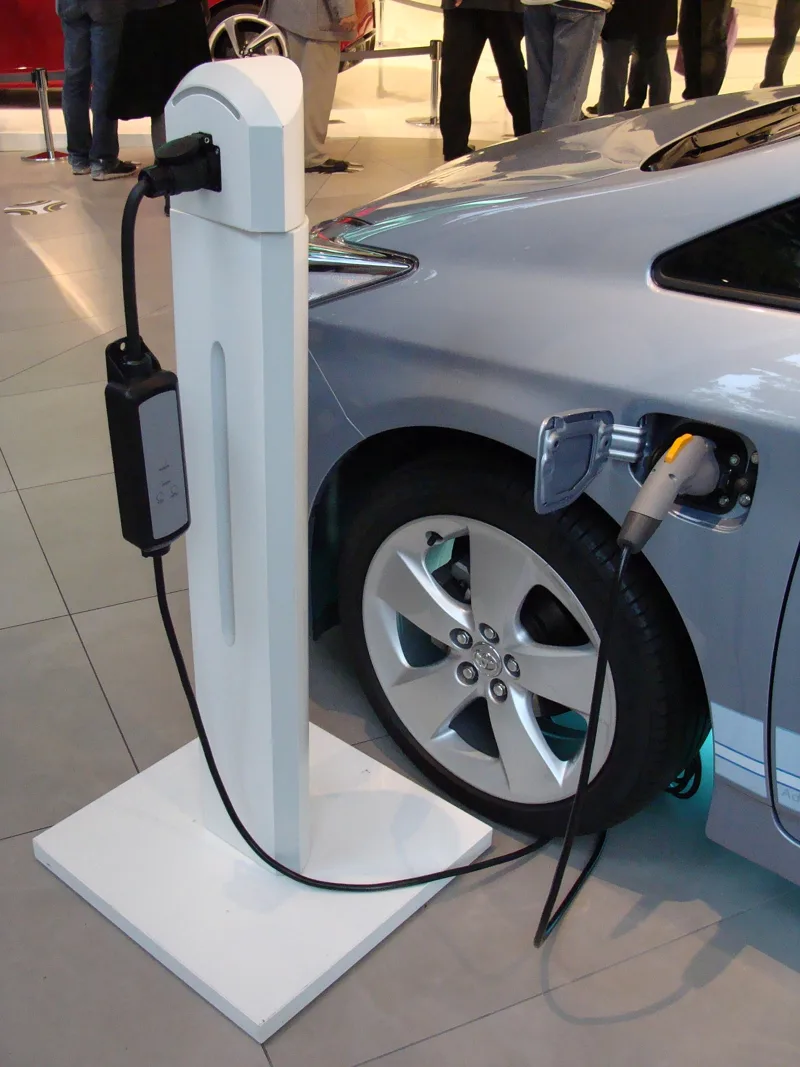
- Cleaner charging helps. The lower the emissions of the electricity, the faster the break-even and the larger the lifetime gain.
Running costs tilt the same way. Battery electric cars generally need less scheduled powertrain maintenance, with fewer moving parts and fluids and no engine-oil changes, and regenerative braking can extend brake life. Tyres, suspension and cooling systems still need attention.
Where this goes next
Demand for batteries is the pressure point. The International Energy Agency's net-zero scenario has battery demand for EVs growing sevenfold from 2023 to 2030, with several battery minerals needed at least six times over. These are scenario results that depend on a fast global energy transition, not near-term predictions. New chemistries, denser cells, smaller packs, longer lives and recycling could trim the primary material each vehicle needs.
The market itself is already moving. In 2024 electric cars took over 20% of new-car sales, against only 2% for trucks. China accounted for more than 70% of global EV production and 67% of global sales in 2024, and nearly half of new vehicles sold there as of September 2025 were EVs. As electricity systems get cleaner, the cumulative climate advantage of an electric car can grow further, while smaller batteries and cleaner factories shrink the debt each new car starts with.