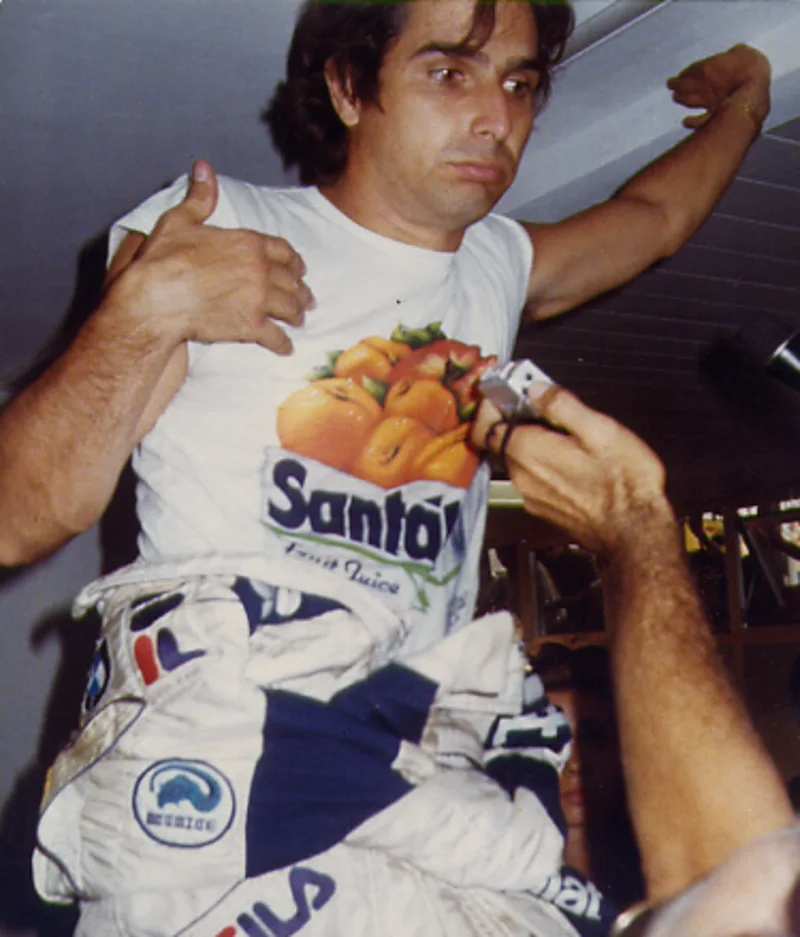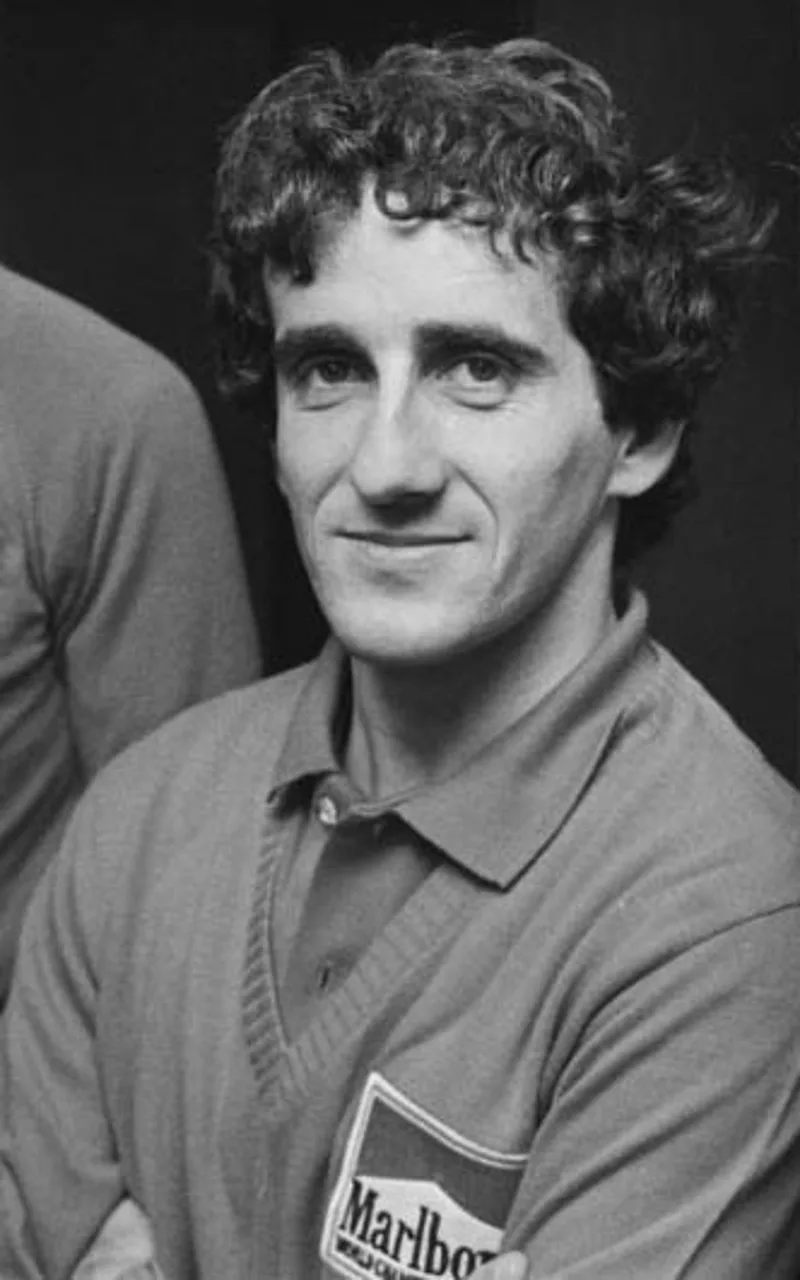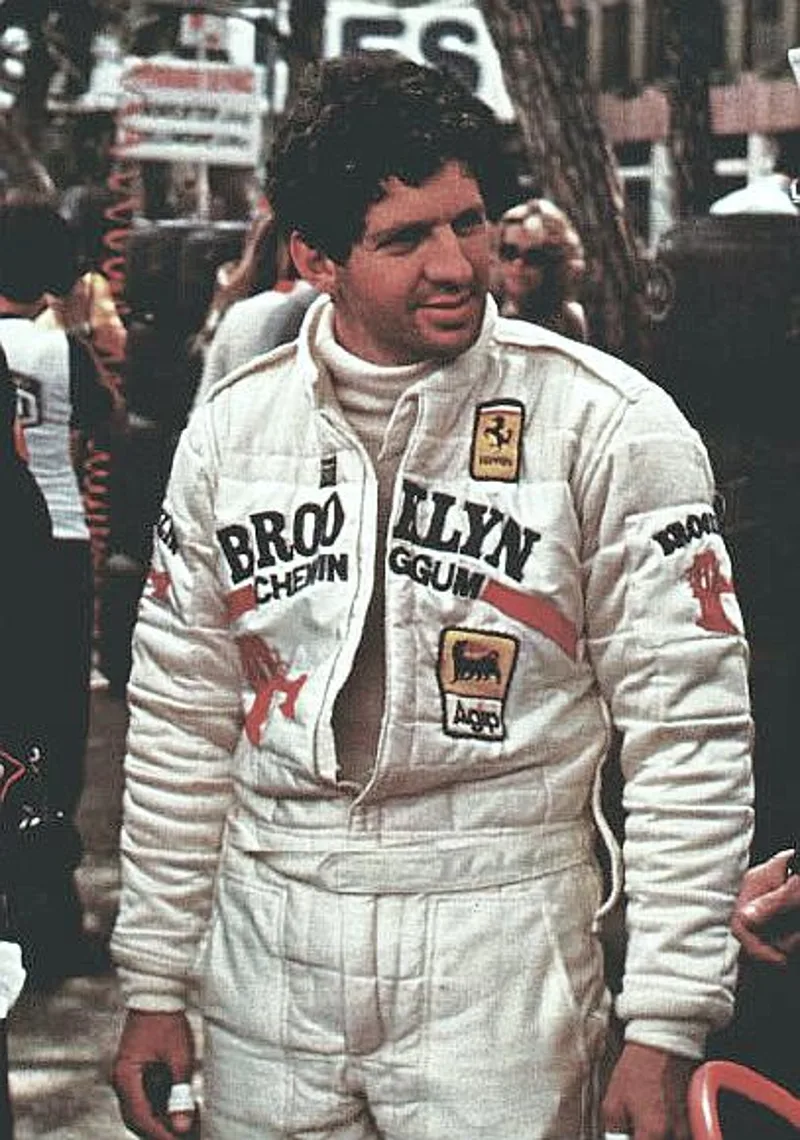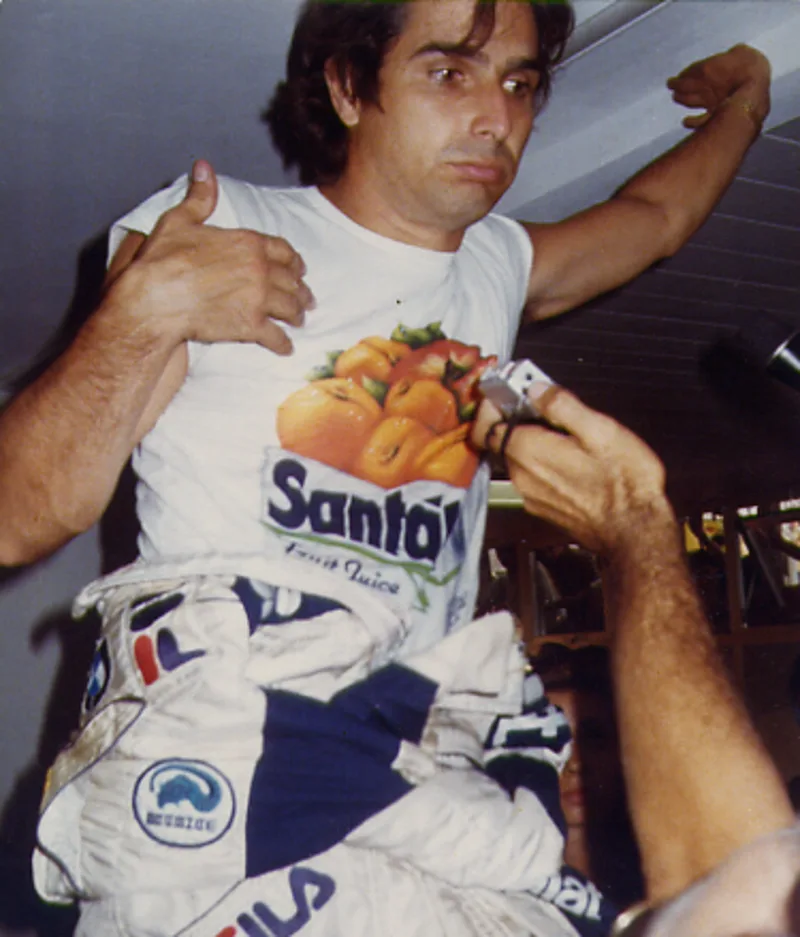
The first turbo win, five victories from the pack, a Swiss exile and a doctor who bought racetracks.
Jabouille won the first Formula One race for a turbocharged car, in 1979. Watson won five Grands Prix, Surer started 88 and later led BMW's motorsport, and Palmer scored 14 points before founding MotorSport Vision, which owns several circuits.
Jean-Pierre Jabouille took pole position for Renault at the 1979 French Grand Prix and then won the race, giving the world its first Formula One victory for a turbocharged car. The man who drove it was an engineer by trade, and he had spent years developing an engine that was fragile and slow to respond. That win opened what people now call the turbo years of the 1970s and 1980s.
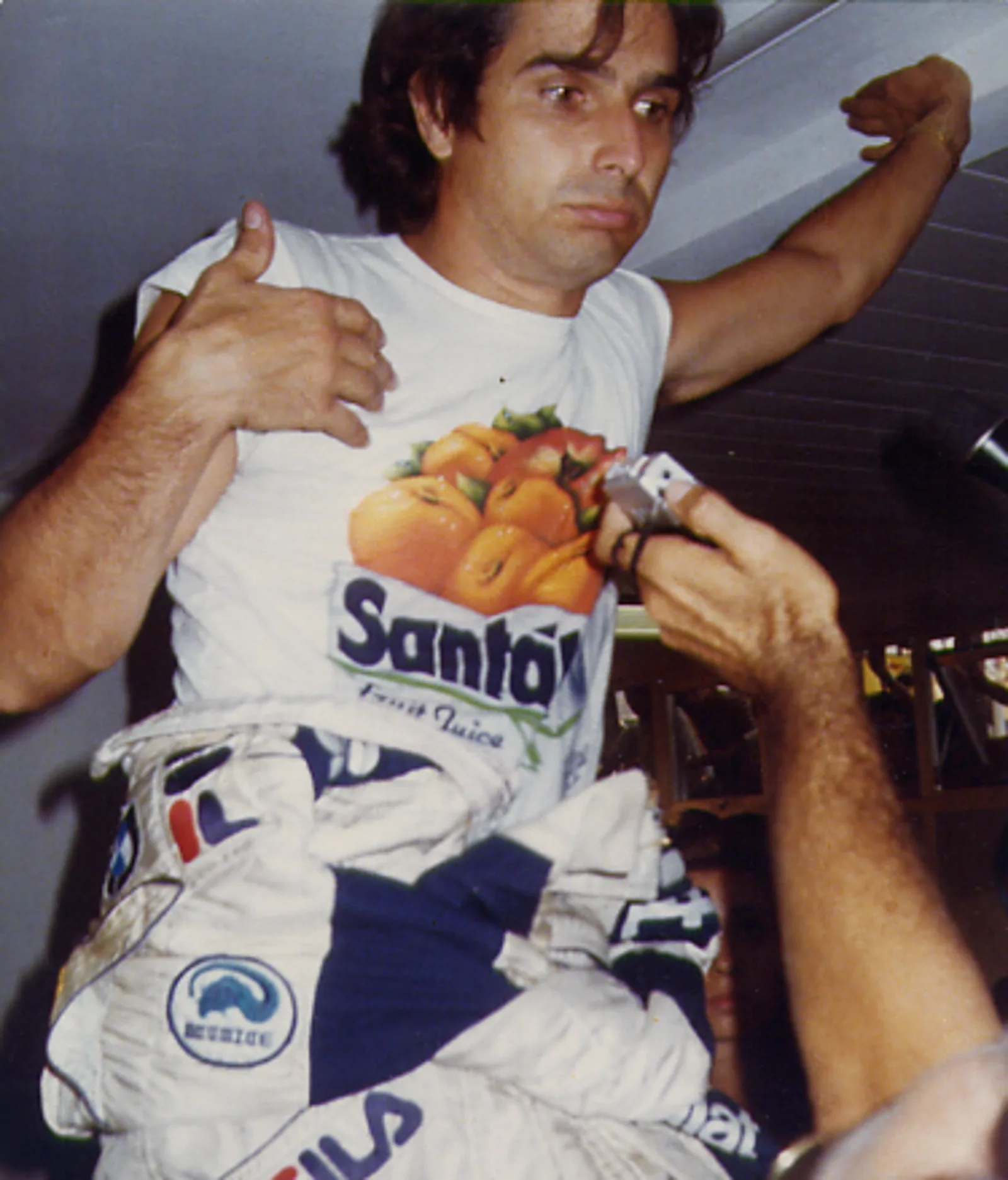
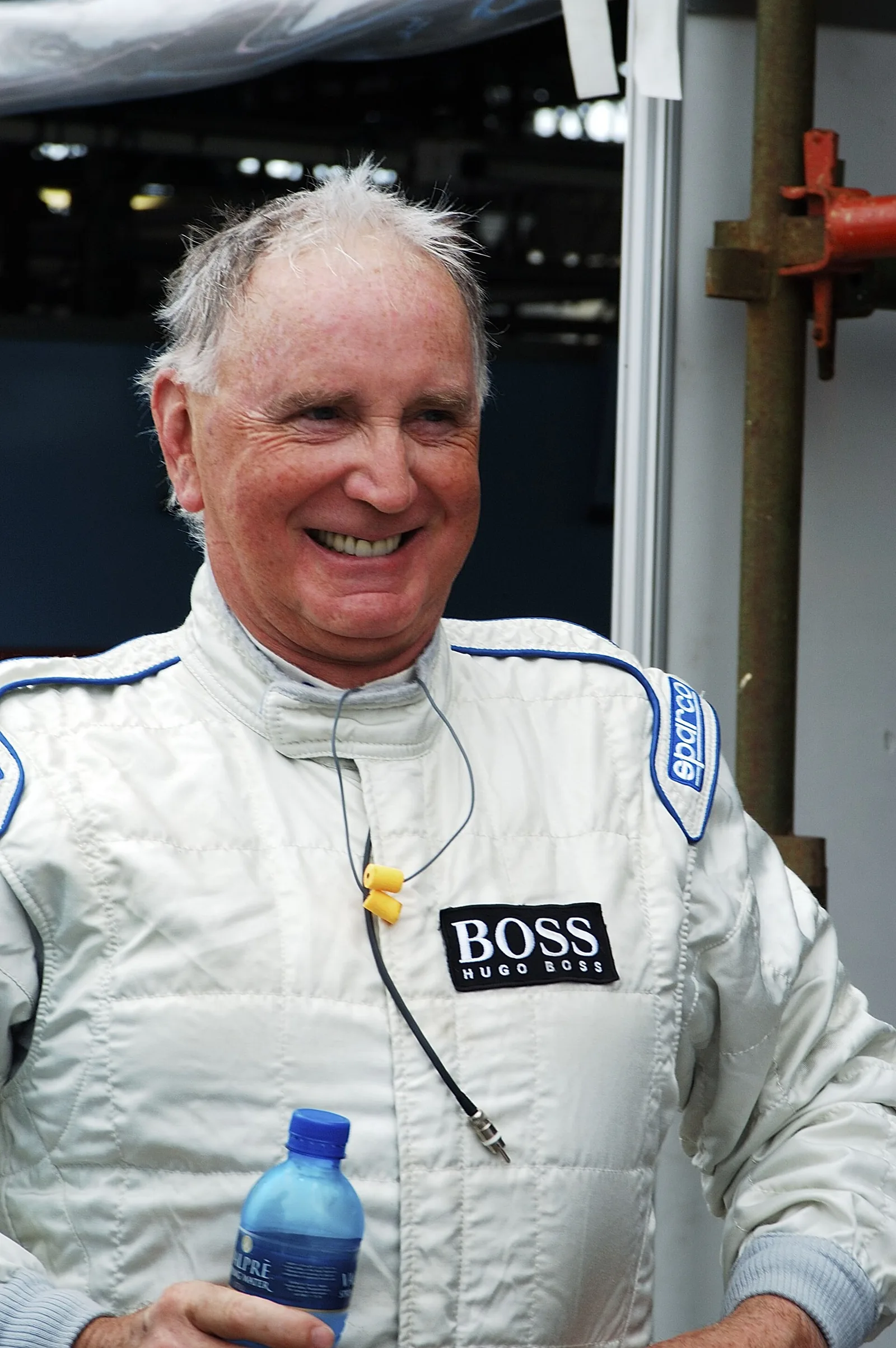
Jabouille, John Watson, Marc Surer and Jonathan Palmer all raced in that era. Their careers went in different directions: a Renault pioneer who became a team boss, a Belfast driver who won from near the back of the grid, a Swiss who moved to Germany to race, and a doctor who ended up owning circuits.
Jean-Pierre Jabouille and the first Formula One turbo win
Jean-Pierre Alain Jabouille was born in Paris on 1 October 1942 and died on 2 February 2023, aged 80. He raced in Formula One from 1974 to 1981 and started 55 Grands Prix, winning two. His father, Robert, was an architect for the City of Paris who co-designed the third Pont de Grenelle. Jean-Pierre briefly studied fine arts at the Sorbonne, then qualified as an engineer.
As a child at a roller-skating rink he met Jacques Laffite, who would become his racing partner and brother-in-law. He was twelve and Laffite eleven. In 1974 Jabouille married Genevieve Cottin, and Laffite later married her sister Bernadette.
From French Formula Three to Renault
He made his mark in French Formula Three in 1967 and ran second to Francois Cevert in 1968 while maintaining the car himself. Alpine took him on as a development driver in 1969. At Le Mans he shared a Matra to third in 1973 and again in 1974, the year he also won at Hockenheim and was runner-up in the European 2-litre series for Alpine. That season he tried Formula One without luck: an Iso-Marlboro did not qualify at the French Grand Prix, and nor did a Surtees in Austria.
In 1975 he left Alpine and, with backing from Elf, built his own Formula Two chassis. He finished runner-up to Laffite and made his real Grand Prix debut, 12th in a works Tyrrell at the French Grand Prix. In 1976 he concentrated on Formula Two and won the title.
The turbo that would not behave
Renault signed him to develop a new one-and-a-half-litre turbocharged engine for 1977. The RS01 appeared at the 1977 British Grand Prix. No Formula One team had raced a turbo before, and this one was fragile and suffered severe turbo lag, which made it hard to drive on tight circuits. Jabouille kept developing it, put the car in some notable qualifying positions in 1978, and scored Renault's first points with fourth place at Watkins Glen. That circuit was especially hard on fuel, one of the turbo's main weaknesses.
For 1979 Renault added a second car for Rene Arnoux. Jabouille took the team's first pole at the South African Grand Prix, then its first win at the French Grand Prix, again from pole. He also took poles in Germany and Italy, but poor reliability meant that one victory was his only score that year.
He took two more poles in 1980 and won the Austrian Grand Prix. Then a suspension failure at the Canadian Grand Prix caused a big accident and a broken leg, just after he had signed with Ligier for 1981. He sat out the first two races, failed to qualify in two of four attempts, and retired from Formula One. He stayed on as Ligier's team manager from 1982 and moved to the Ligier and Curb Racing CART entry in 1984.
Back to Le Mans with Peugeot
Jabouille returned to driving in the mid-1980s in the French Supertouring Championship before joining Peugeot to help develop its Le Mans sports car programme. That work produced third places in 1992 and 1993, which gave him four third-place Le Mans finishes in all, with the Matra results of 1973 and 1974. In 1994 he took over from Jean Todt as director of Peugeot Sport, but unsuccessful years supplying engines to McLaren and Jordan in Formula One cost him the job in 1995. Afterwards he ran his own sports car team in the ISRS.
Jabouille took Renault's first pole in South Africa and its first win in France, from pole, in 1979.
John Watson, the Belfast driver who won from the back
John Marshall Watson was born in Belfast on 4 May 1946 and went to Rockport School. Formula One was his working life from 1973 to 1985, and he won five Grands Prix over 12 seasons for a string of teams: Brabham, Surtees, Lotus, Penske and McLaren. He also finished third in the 1982 World Drivers' Championship.
A slow start, then Penske
His Formula One career began in 1972 in a customer March-Cosworth at the non-championship Victory Race at Brands Hatch. Championship starts came in 1973, but they went badly: he ran out of fuel on the 36th lap at the British Grand Prix and the engine failed after seven laps in the United States. His first championship point came at Monaco in 1974, and he finished the year with six. In 1975 he was second to Mario Andretti in the Spanish Grand Prix until he had to pit with vibrations and came home eighth, his best result that year.
In 1976 he took his first podium with third at the French Grand Prix, and later that season, in the Austrian Grand Prix, his first win for Penske after qualifying second. He shaved off his beard afterwards to pay a bet with team owner Roger Penske, who failed to recognise him the next morning in a London hotel lobby.
The 1977 season was grimmer. At the South African Grand Prix he scored a point and set his first fastest lap, but the day belonged to tragedy, as Tom Pryce was killed along with marshal Frederik Jansen van Vuuren. His Brabham-Alfa Romeo kept letting him down, yet he took his first pole at Monaco and qualified in the top ten 14 times. He raced the full distance in only five of 17 races. The nearest he came to winning was in France, where he dominated until a fuel metering problem on the last lap dropped him to second behind Andretti. In 1978 he scored 25 points with three podiums and a pole, and sometimes out-qualified teammate Niki Lauda.
McLaren, carbon fibre and the 1982 title challenge
Watson moved to McLaren for 1979. His 1981 British Grand Prix win ended a winless run of more than three years for the team and was the first victory for a carbon fibre composite monocoque, the McLaren MP4/1 designed by John Barnard. Later that year the strength of the structure was tested at Monza, where Watson lost the car leaving the Lesmo bends and went backwards into the barriers. Similar accidents had proved fatal before, but he walked away. When James Hunt retired after Monaco in 1979, Watson became the only full-time British driver in Formula One for the rest of his career.
His best year was 1982, when he finished third in the championship with two wins. In several races he climbed the order from far back on the grid. At the first Detroit Grand Prix he started 17th and passed three cars in a single lap on a tight street circuit where overtaking was hard, and he won. He went into the final race at Caesars Palace with an outside chance of the title and finished five points behind Keke Rosberg, level with Didier Pironi.
A year later he won from further back still. At Long Beach in 1983 he started 22nd, the farthest back from which a modern Grand Prix winner had come, and finished 27 seconds ahead of Lauda, who had started 23rd. It was his last win. McLaren dropped him at the end of the season, reportedly after talks with Ron Dennis broke down when Watson asked for more money than Lauda earned. Dennis signed Alain Prost for less. Watson raced once more, in 1985, replacing the injured Lauda at the European Grand Prix at Brands Hatch. He started 21st, finished seventh and carried Lauda's number 1.
Sports cars and the microphone
In 1984 he moved to sports cars, won the Fuji 1000 km with Stefan Bellof, and drove an IMSA-specification Jaguar XJR-5 at Le Mans, where the car led briefly at the end of the first hour and was classified 28th after engine trouble. In 1987 he and Jan Lammers took second in the World Sportscar Championship in a Silk Cut Jaguar XJR-8 that won at Jarama, Monza and Fuji. His best of seven Le Mans starts was 11th, in a Porsche 962C in 1990.
After racing he commentated for Eurosport from 1989 to 1996, ran a race school at Silverstone and managed a racetrack. He was the first man to test a Jordan Formula One car, in 1990. Later he worked for ESPN, the BBC on touring cars from 1998 to 2001, Sky Sports in 2002 and A1 Grand Prix coverage from 2005 to 2009. From 2010 to 2024 he co-commentated on GT World Challenge Europe, and in 2022 he commentated on the Miami Grand Prix for F1TV. A 2016 academic study of driver and machine ranked him the 25th best Formula One driver of all time.
Marc Surer, the Swiss who had to leave home to race
Marc Surer was born on 18 September 1951 in Arisdorf. Motor racing had been banned in Switzerland since the 1955 Le Mans disaster, so after starting in karts in 1972 he moved to Germany in 1974 to race in Formula Vee, finishing second. In 1976 he stepped up to European Formula 3, where Jochen Neerpasch saw him and hired him for the BMW Junior Team alongside Eddie Cheever and Manfred Winkelhock.
He was runner-up in Formula Two in 1978 and won the European title in 1979 in a works March-BMW. His Formula One debut, with Ensign at the Italian Grand Prix that year, was troubled. Surer joined ATS in 1980 and broke his legs in qualifying at the South African Grand Prix at Kyalami. He broke them again at the same track in 1981, this time racing for Ensign.
He recovered and gave Ensign its best result, fourth in the 1981 Brazilian Grand Prix, along with the fastest lap. He drove for Theodore, settled at Arrows for a couple of seasons, and got a Brabham seat for 1985 through BMW's support. In 1986 he returned to Arrows and quit Formula One halfway through the season after a serious accident at the ADAC Hessen-Rallye in his Ford RS200, which injured him badly and killed his friend and co-driver Michel Wyder. In all he started 88 Grands Prix and scored 17 points.
BMW kept him on as driver, coach and later director of motorsport activities. In 1994 and 1995 he won the German Super Touring Car Championship with Johnny Cecotto and Joachim Winkelhock. From 1996 he commentated on every Grand Prix for Sky Sport in Germany, first beside Jacques Schulz, then after 2013 with Sascha Roos until 2017. In that 2016 study of driver and machine he came out 17th among all Formula One drivers.
Jonathan Palmer, from doctor to circuit owner
Jonathan Charles Palmer was born in Lewisham, London, on 7 November 1956. He trained as a physician at Guy's Hospital and worked as a junior doctor at Cuckfield and Brighton hospitals, racing an Austin Healey Sprite and a Marcos in club events as a student. He chose racing after Formula Ford between 1978 and 1980, won the British Formula 3 Championship in 1981, tested for Williams in 1982, and took the European Formula Two title in 1983, earning the BRDC Gold Star.
Palmer in Formula One
He made his Formula One debut for Williams at Brands Hatch on 25 September 1983 in the European Grand Prix, a thank-you from Frank Williams and Patrick Head. He finished 13th of 26. In 1984 he drove for RAM March, finishing six times with a best of eighth. Zakspeed followed in 1985 and 1986, with almost nothing but retirements. At his home race in 1986 he used his medical skills to help get Laffite out of his car after Laffite's career-ending crash on the opening lap.
In 1987 he spoke to Ron Dennis about becoming Prost's teammate at McLaren, but Dennis signed Stefan Johansson. Palmer joined Tyrrell a week before the opening race in Brazil. The naturally aspirated Cosworth-powered car was outpaced by the turbocharged competition, yet it was reliable and nimble on tighter tracks. Palmer scored points in three races, took his career-best fourth in Australia and won the Jim Clark Trophy, a championship for drivers of normally aspirated cars that existed for the 1987 season only. He stayed with Tyrrell for two more years, with two fifths and three sixths as his best results. He finished with 14 points from 83 starts and became McLaren's test driver at the end of 1989.
Sports cars, television and a record run
From 1983 to 1990 he raced a Group C Porsche in the World Sportscar Championship. With Jan Lammers he won the 1984 Brands Hatch 1000 km, and at Le Mans he took second in 1985 with James Weaver and Richard Lloyd, the best of five starts. He won the 1987 Toyota Rallysprint at Brands Hatch, came seventh in the 1991 British Touring Car Championship in a Prodrive BMW, and set the fastest time in the Goodwood shootout in 1995 and 1996.
His work for McLaren included developing the McLaren F1 road car, and he drove one to a record 231 mph at Nardo. In 1991 he became a BBC pit lane reporter. After James Hunt died in 1993 he moved into the commentary box beside Murray Walker, and in 1997 he joined the CBC for its Canadian Grand Prix coverage.
PalmerSport and MotorSport Vision
He founded PalmerSport in 1991 to run corporate driving days, first at Bruntingthorpe airfield and then at the Bedford site that opened in 1999 as four circuits with six miles of track in total. In 1998 he launched the Formula Palmer Audi Championship as a cheaper alternative to Formula 3. Its first champion, Justin Wilson, went on to win Formula 3000 and reach Formula One with Minardi, helped by a share issue in him that Palmer arranged as his manager.
In 2004 Palmer teamed up with John Britten and Sir Peter Ogden to buy four circuits from Octagon: Brands Hatch, Oulton Park, Snetterton and Cadwell Park. The new company was MotorSport Vision. Snetterton was almost totally redesigned in 2011 to give three configurations. The company took on the commercial rights to British Superbikes, ran the FIA Formula Two Championship from 2009 to 2012, and now runs the GB3 and GB4 championships. It bought the freehold of 800 acres at Bedford in 2009, a former military airbase near Laon in France in 2015 and Donington Park in 2017. On 30 September 2022 it was announced that MSV had won the bid for the Circuito de Navarra in northern Spain.
Palmer's sons both raced. Jolyon, the 2014 GP2 champion, drove for Renault in Formula One in 2016 and 2017. Will won the BRDC F4 Championship in 2015.
Four careers compared
| Driver | Formula One years | Record | Best known afterwards for |
|---|---|---|---|
| Jean-Pierre Jabouille | 1974 to 1981 | 55 Grands Prix, two wins | Peugeot Sport director |
| John Watson | 1973 to 1985 | Five wins; third in 1982 | Television commentary |
| Marc Surer | 1979 to 1986 | 88 Grands Prix, 17 points | BMW motorsport; German commentary |
| Jonathan Palmer | 1983 to 1989 | 83 starts, 14 points | MotorSport Vision circuits |