A turbine spun by exhaust has to wait for the exhaust to arrive. Twin-scroll housings, moving vanes, paired turbos and electric motors each shorten that wait in a different way.
Turbo lag is the delay between pressing the throttle and a turbocharger delivering boost, because exhaust flow must first spin the turbine up. Twin-scroll housings, variable-geometry vanes, twin-turbo layouts, lighter parts and electric assistance all shorten the wait, while superchargers avoid it entirely.
The turbine inside a turbocharger can spin at up to 250,000 rpm, yet it cannot do so the instant you press the throttle. It is driven by exhaust gas, and exhaust takes time to build. That hesitation is turbo lag, and the story of how engineers have shortened it runs through a handful of clever pieces of hardware.
What is turbo lag?
Turbo lag is the pause between your foot moving and the boost actually arriving, assuming the engine is already within the turbo's working rev range. The wait exists because rising exhaust flow needs time to spin the turbine to the speed at which boost appears. The driver feels it as a lazy throttle response.
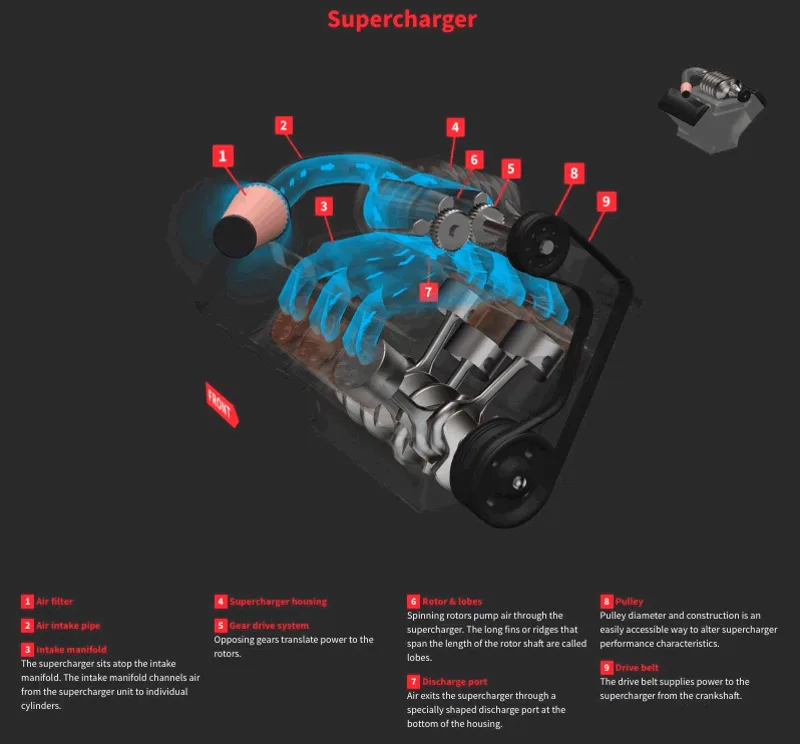
Superchargers sidestep the problem. A supercharger's compressor is driven directly by the engine, usually by a belt from the crankshaft, so it responds as the engine does. A turbocharger instead runs on the kinetic energy of the exhaust, which is why it can lag behind your right foot.
Small turbines spin up quickly but run out of breath; large turbines breathe deeply but wake up slowly. Most turbo technology tries to have both.
How does a turbocharger actually make power?
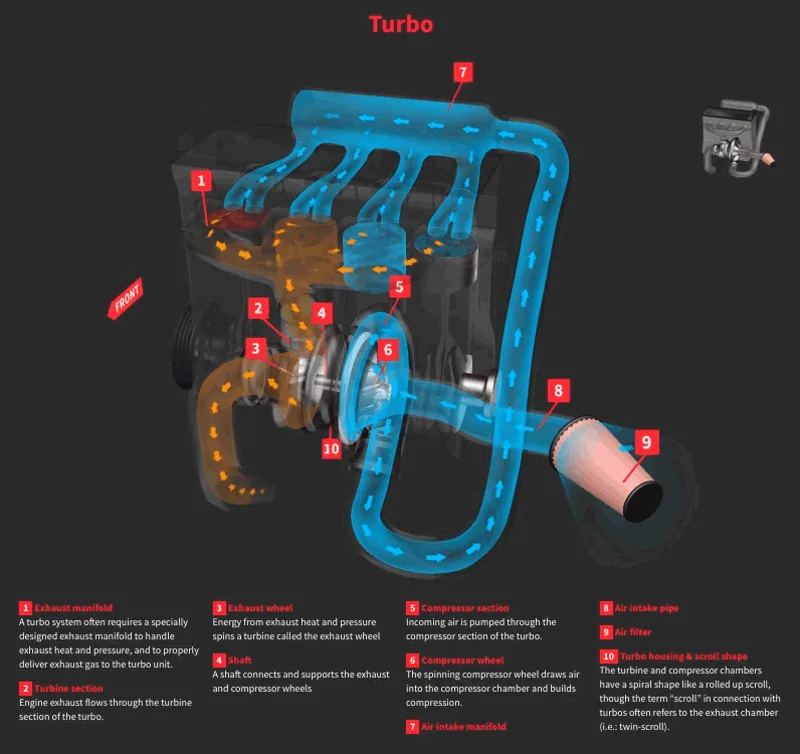
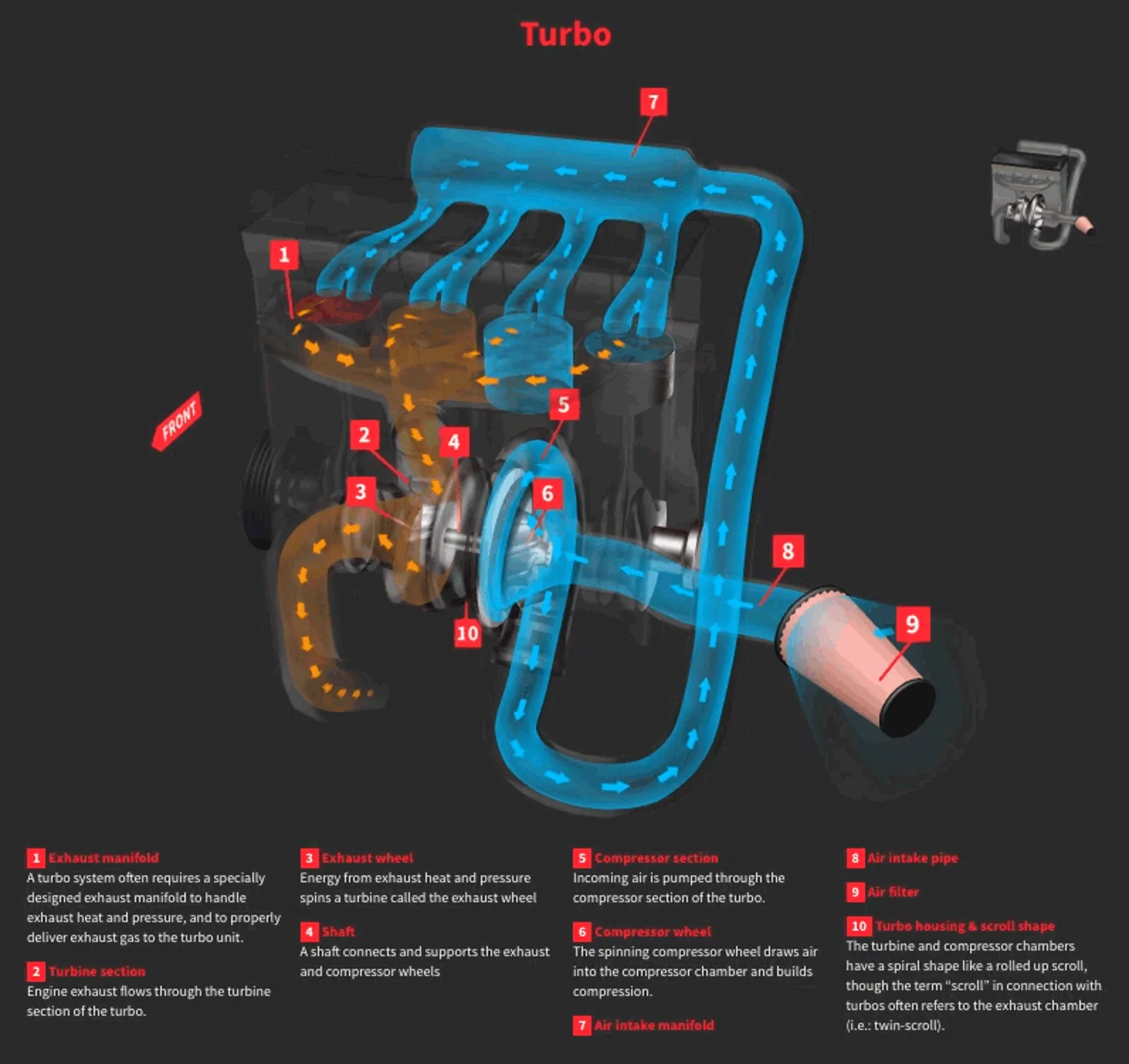
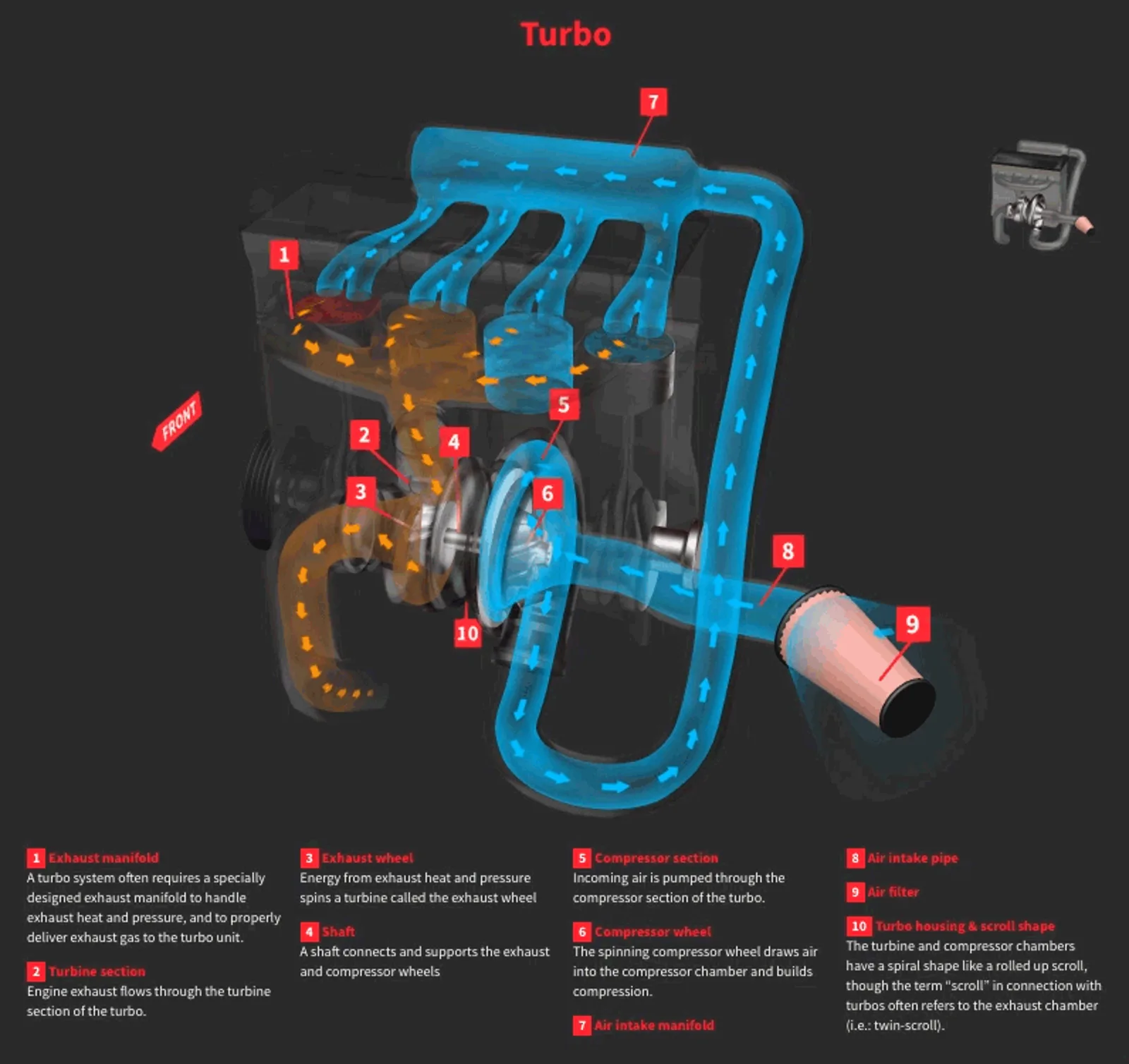
A turbocharger is a forced induction device. It compresses the air going into the engine, so more air gets packed into the cylinders and the engine makes more power for a given displacement. The compressor that does the squeezing is spun by a turbine sitting in the exhaust stream.
There are three main parts. The turbine, usually a radial design, is the hot side, where blades turn the flow of exhaust into the rotation of a shaft. The compressor, usually centrifugal, draws in outside air through an impeller, diffuser and volute housing and feeds it into the engine. Between them sits the centre housing rotating assembly, which holds the shaft and its bearing. Some are water-cooled, partly to stop the lubricating oil overheating.
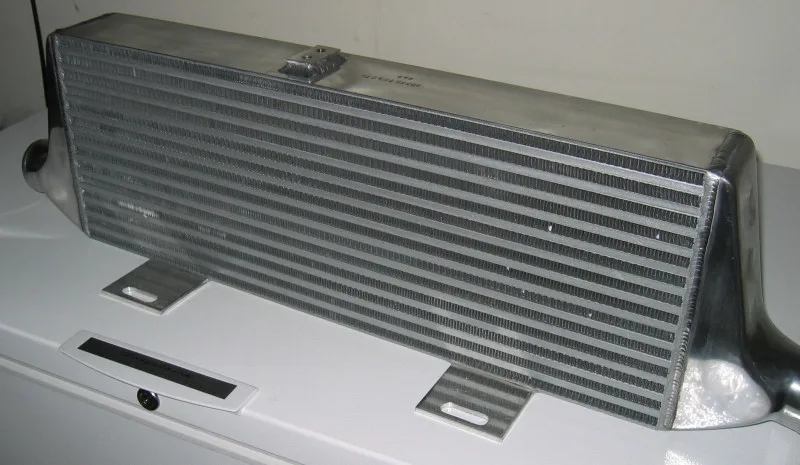
Real engines need more than that. A wastegate limits how much exhaust reaches the turbine, because a turbo can make more pressure than an engine can safely take. An intercooler cools the compressed air, and a blowoff valve prevents compressor stall when the throttle is shut. The simplest design, a free-floating turbo with none of these, would reach full boost only at full revs and full throttle.
Is it turbo lag or boost threshold?
They are different things that feel alike. Turbo lag is the wait after you open the throttle while the engine is within the turbo's working range. Boost threshold is a state where the engine speed is below that range altogether, so exhaust flow is too weak to spin the turbine enough for any significant boost.
The distinction matters because the fixes differ. Lag is attacked by making the turbo quicker to respond. Boost threshold is attacked by making a turbo that wakes up at lower revs, which is why the same technologies often help with both.
Why does a turbo hesitate before it surges?
Size is the main reason. A turbo's performance is closely tied to the size of its turbine and compressor wheels. Large turbines need higher exhaust flow rates, which increases lag and raises the boost threshold. Small turbines produce boost quickly at lower flow because they have less rotational inertia, but they can limit the engine's peak power.
Picture a playground roundabout. A small, light one spins up with a gentle push; a big, heavy one needs sustained effort before it gets going, but once it is turning it carries far more. Turbo engineers want the quick start of the small one and the high ceiling of the large one, and most lag-cutting technology is an attempt to deliver both.
The problem is old. Car makers began researching turbocharged engines in the 1950s, but turbo lag and the bulk of the turbocharger defeated them at the time. The first turbocharged cars, the Chevrolet Corvair Monza and the Oldsmobile Jetfire, arrived in 1962 and were short-lived. The Mercedes 300 D brought turbodiesel passenger cars to the global market in the 1970s, and from the 1980s turbos spread as a way to lift the performance of smaller engines.
How does a twin-scroll turbo reduce lag?
A twin-scroll turbo splits the engine's cylinders into two groups and feeds each group's exhaust through its own inlet and spiral chamber. Keeping the groups apart stops their exhaust pulses interfering, so more energy reaches the turbine and the turbo responds better at low engine speeds.
In a standard single-scroll turbo, exhaust from every cylinder is combined and enters through one intake, and the pulses from each cylinder get in each other's way. The twin-scroll layout keeps the two groups separated all the way through the exhaust manifold, two scrolls and two nozzles into the turbine housing. The scavenging effect of the pulses recovers more energy and minimises parasitic back losses.
Another common feature is that the two nozzles differ in size. The smaller one sits at a steeper angle and handles low-rpm response, while the larger one, less angled, is optimised for when high output is needed.
How does a variable-geometry turbo beat turbo lag?
A variable-geometry turbo, also called a variable-nozzle turbo, carries adjustable vanes sitting in the turbine housing, in the gap between inlet and turbine. By moving them as the engine accelerates, it keeps the aspect ratio near its optimum, which gives it very little lag, a low boost threshold and good efficiency as revs rise.
The aspect ratio, or A/R, is the setting that a fixed turbo has to compromise. If it is too large, the turbo fails to create boost at low speeds. If it is too small, the turbo chokes the engine at high speeds, pushing up exhaust manifold pressure and pumping losses and cutting power. The best A/R at low engine speed is very different from the best at high speed, so a turbo that can change it has a clear advantage. Actuators can be electric, pneumatic, hydraulic or vacuum-operated.
Three designs dominate. Variable-nozzle turbines, common in light-duty engines such as passenger cars and race cars, rotate their vanes in unison to change pitch and cross-sectional area. Sliding-wall turbines, common in heavy-duty engines, keep the vanes fixed but change their effective width. Variable-flow turbines use a two-volute housing with a blend gate in the neck, routing exhaust through the primary volute at low flow and through both at peak flow.
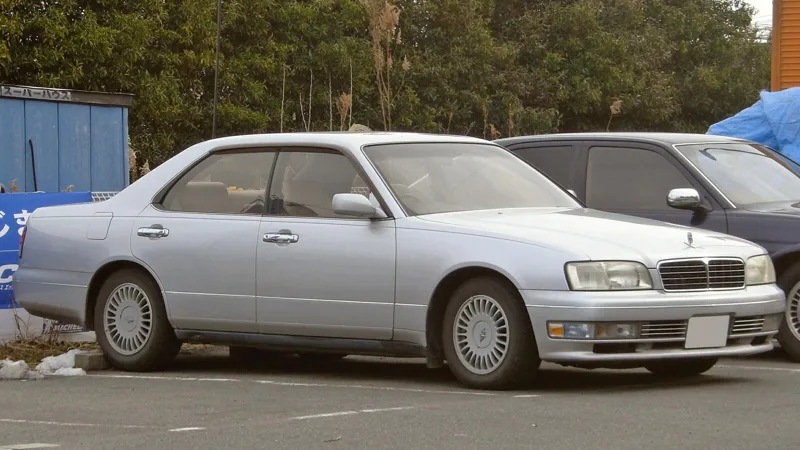
The idea is not new. Garrett developed the rotating-vane design and patented it in 1953. Nissan's VG20ET Jet Turbo, announced in 1985 for the Cedric and Gloria, was among the earliest production passenger-car engines to carry a version of it. Honda's 1988 C20AT Wing Turbo ringed the turbine with fixed and movable guide wings. The 1989 Shelby CSX-VNT, built in just 500 examples, used a Garrett VNT-25 on a 2.2-litre Chrysler engine.
Fiat put a variable-geometry turbo in the Croma's direct-injected turbodiesel in 1991, and the Peugeot 405 T16 of 1992 used a Garrett unit on its 2.0-litre 16-valve engine. In 2007 the Porsche 911 Turbo carried twin variable-geometry turbos on its 3.6-litre flat six, and Acura introduced the RDX with a variable flow design. The 2015 Koenigsegg One:1 pairs two variable-geometry turbos with a 5.0-litre V8 and makes 1361 horsepower.
How do the lag-cutting set-ups compare?
| Approach | How it shortens the wait | Trade-off |
|---|---|---|
| Smaller, lighter turbine parts | Lower rotational inertia, so it spins up sooner | Can limit peak power |
| Twin-scroll | Separates exhaust pulses; small nozzle for low revs | Needs cylinders split into two groups |
| Variable geometry | Adjustable vanes hold the best aspect ratio | Demands careful coordination; fewer petrol applications historically |
| Parallel twin-turbo | Two smaller turbos replace one large one | More plumbing, though simpler on V engines |
| Sequential twin-turbo | Small turbo at low revs, large one later | More valving and a complex exhaust layout |
| Series (compound) twin-turbo | Second turbo compresses the first one's output | Often large amounts of lag |
| Electrically assisted | Electric motor spools the turbo before exhaust pressure arrives | Adds an electric motor to the turbo |
Twin turbo vs single turbo: how do parallel, sequential and series layouts differ?
A twin-turbo engine uses two turbochargers to compress the intake air. The most common layout fits two identical or mirrored units in parallel, each handling half of a V engine's exhaust. Turbos can also be different sizes, and there are three turbine arrangements: parallel, sequential and series.
Parallel is the simplest. Two equally sized turbos each receive half the exhaust, and the aim is to cut lag by using smaller turbos than a single-turbo engine would need. It suits V6 and V8 engines because each turbo can serve one cylinder bank, reducing exhaust piping. Four-cylinder and straight-six engines can mount both on one exhaust manifold. Maserati's Biturbo, on sale between 1981 and 1994, put twin turbos into a production car for the first time.
Sequential layouts use one turbo at low engine speeds and a second, or both, at higher speeds. Large turbos give too little boost at low rpm, while small turbos respond well at low rpm but cannot supply enough air at high rpm. A sequential system lowers lag without sacrificing top-end power. A small primary turbo works first, a little exhaust is fed to the larger secondary to bring it up to speed, and at high rpm all the exhaust goes to the secondary.
Porsche's 959, built from 1986 to 1988, was the first production car with sequential turbocharging, on its flat-six engine. Its version is unusual because it uses two identically sized turbos. At low revs, the exhaust from both cylinder banks goes to the left-hand turbo to create usable boost quickly. Valves then bring the right-hand unit up to speed, and at high revs the engine operates as a parallel system.
Series, or compound, turbocharging connects the turbos in a chain, with the second compressing the first's output further. In one example, the first turbo raises the charge to three times intake pressure and the next adds a further threefold, for a total of nine times atmospheric pressure. The downside is that staged turbocharging often leads to large amounts of lag. It is mostly used on piston-engined aircraft, which rarely need to change engine speed quickly and face low pressure at altitude, and sometimes on high-performance diesels, which can use high boost without pre-ignition worries.
What else is used to reduce turbo lag?
Engineers have a long list of other tricks. Lighter materials, including ceramics, and smaller-radius parts reduce rotational inertia, and a lighter shaft helps too. Foil bearings cut friction compared with conventional oil bearings, and a smaller volume of piping between compressor and engine means less air to pressurise.
Others work on the flow. Raising the upper-deck air pressure and improving wastegate response help, as does a turbocharger spool valve that speeds the exhaust into a twin-scroll turbine, or a butterfly valve that squeezes the exhaust through a narrower opening at the turbo inlet. An antilag system is another approach.
The newest answer is electrical. An electrically assisted turbocharger pairs a conventional exhaust-driven turbine with an electric motor. Advances in the early 2020s, including mild-hybrid integration, have allowed turbos to start spooling before the exhaust provides adequate pressure. That cuts lag further and improves efficiency, especially in slow, stop-and-go urban driving. It differs from an electric supercharger, which uses only an electric motor to drive the compressor.
What does this mean for someone buying or driving a turbo car?
Variable-geometry turbos are much more common on diesels, because lower exhaust temperatures make them less prone to failure. Early petrol versions needed significant cooling of the intake charge to give the turbo a reasonable life, but advances in resistance to hot petrol exhaust mean they now appear increasingly in petrol cars.
They are typically fitted by the manufacturer. Keeping the vanes in the best position for whatever the engine is doing takes a high level of coordination, although aftermarket control units exist. Variable-geometry units give improved transient response over fixed turbos, which makes them well suited to vehicles where power demand changes constantly. Where the load is constant, as in a stationary generator, a fixed-geometry turbo can be more efficient, because the tolerances of the moving parts add exhaust resistance.
Rotating-vane variable-geometry turbos are supplied by Garrett, BorgWarner and Mitsubishi Heavy Industries, and are mostly confined to small engines and light-duty uses. The main supplier of sliding-vane versions is Holset Engineering.