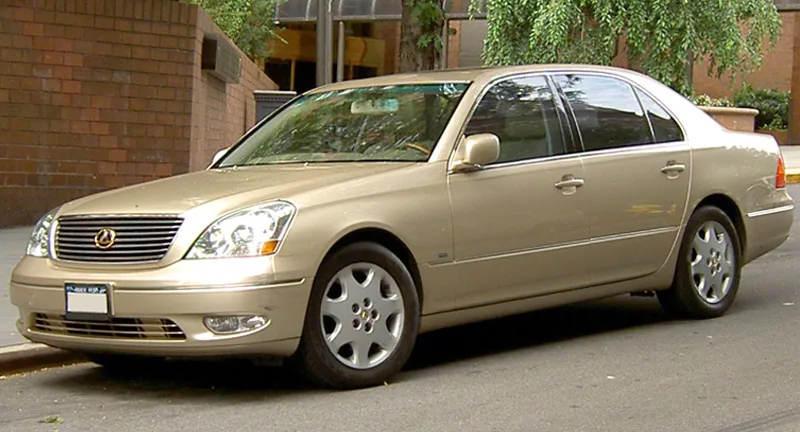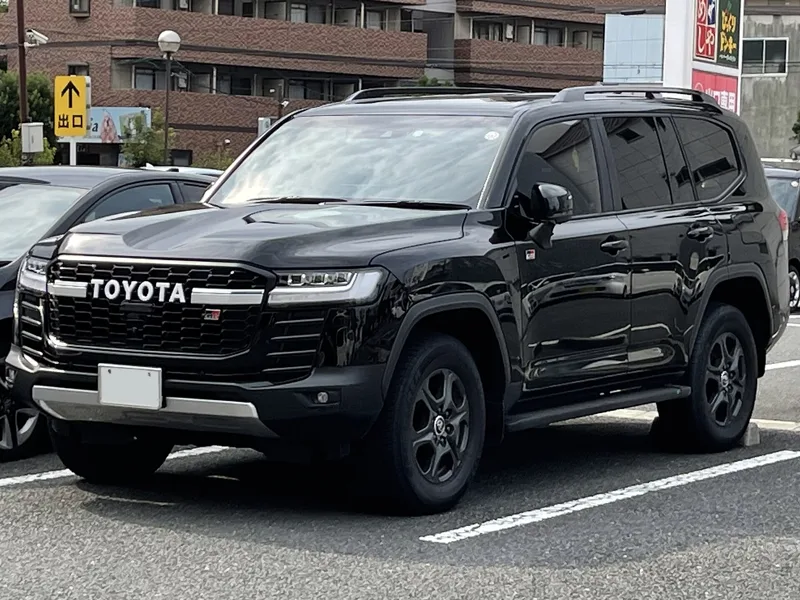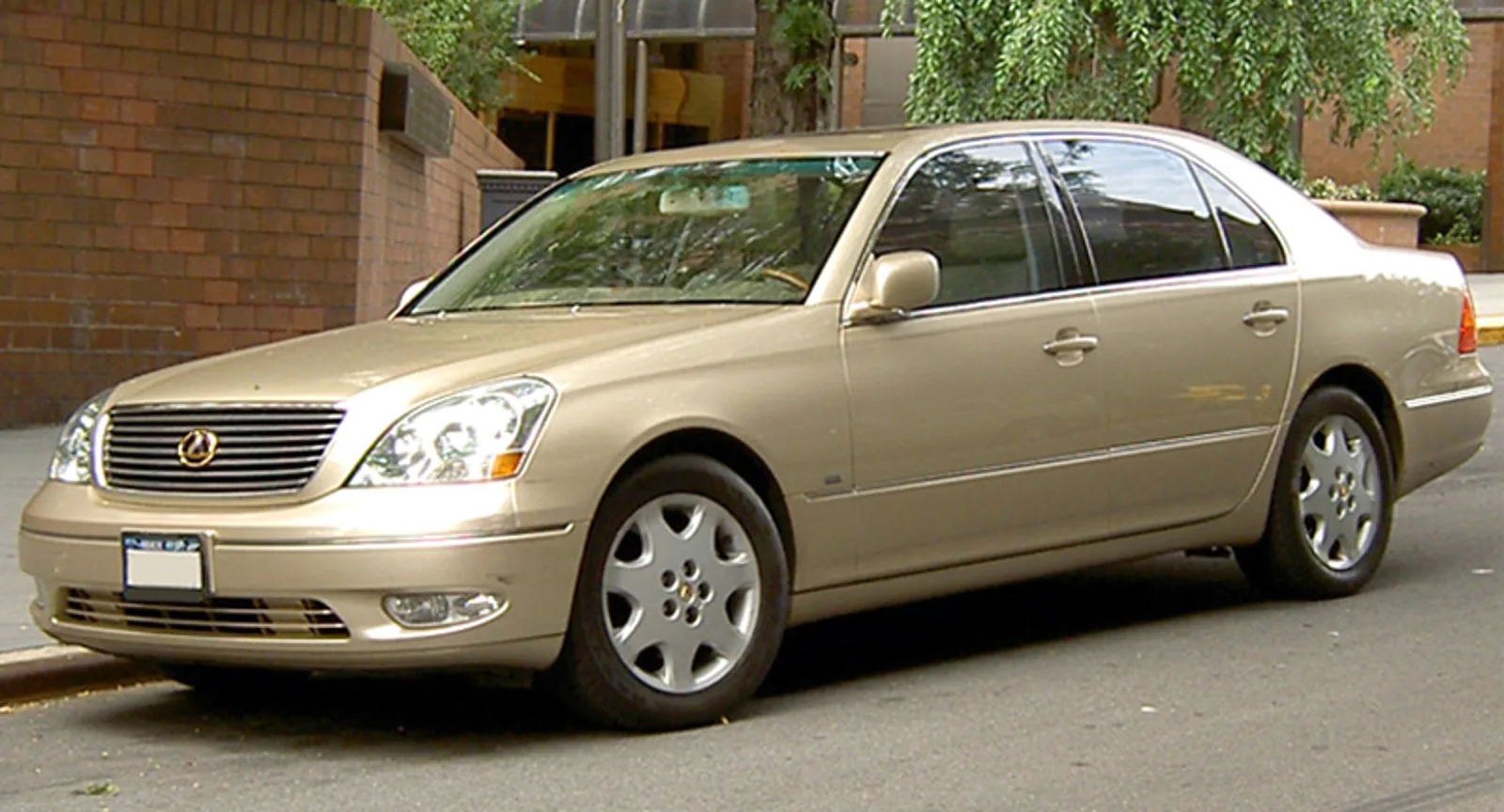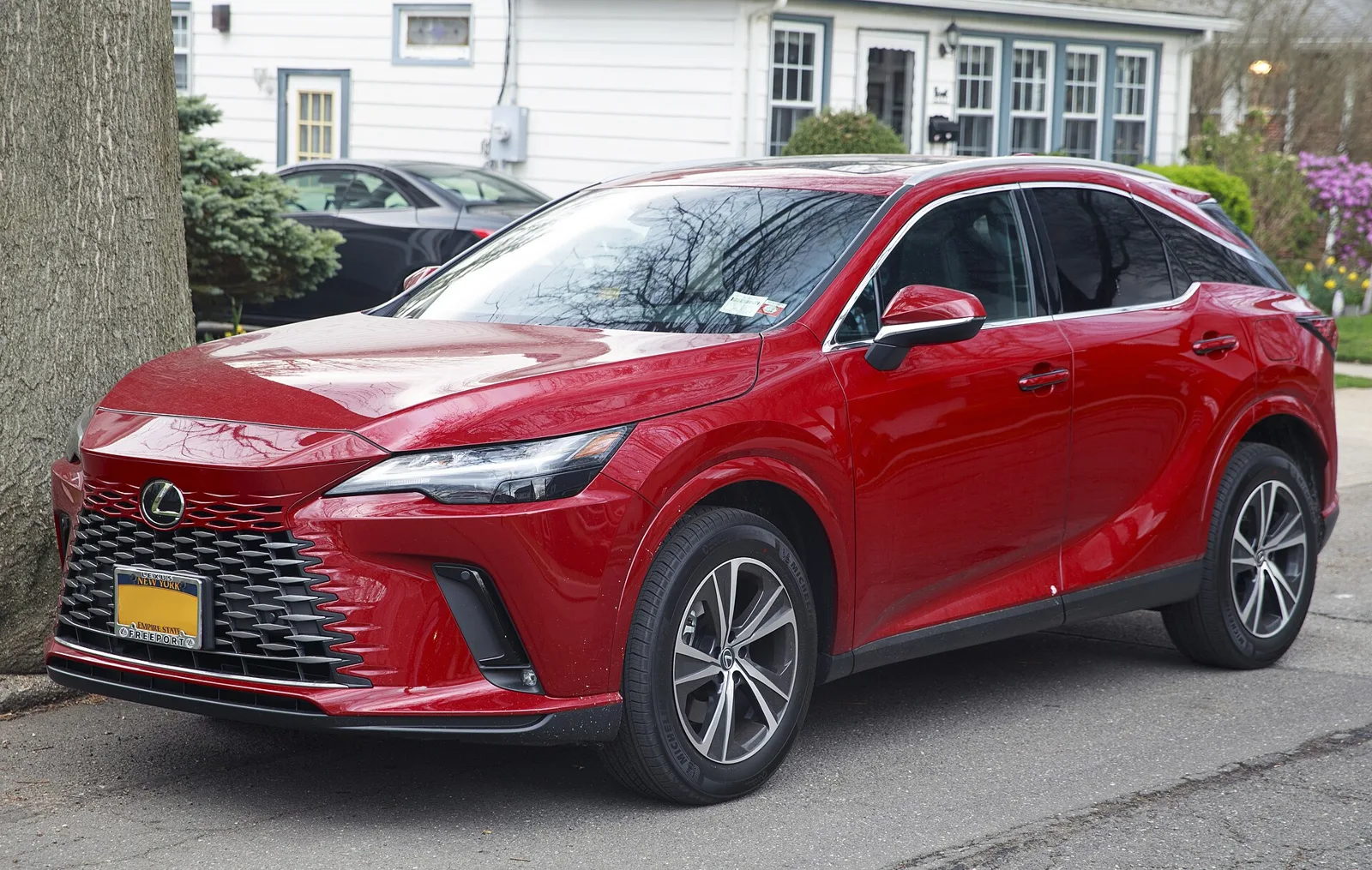
From the 1997 SLV concept to the 2022 fifth generation, the Lexus RX moved from a compact crossover to a mid-size hybrid SUV with a large following.
Lexus has sold the RX luxury crossover since 1998, after its Japanese debut as the Toyota Harrier in late 1997. Through five generations it has moved from a compact body to a mid-size SUV, and hybrid versions have been sold since 2005.
The Lexus RX is a luxury crossover SUV that Lexus, the luxury division of Toyota, has sold since 1998. It began life in Japan in late 1997 as the Toyota Harrier before export sales started that March, and it has now passed through five generations.
Many sources regard the RX as the first luxury crossover SUV. Its first generation was compact, while the fifth generation sits in the mid-size class, and hybrid models have been part of the range since 2005.
What is the Lexus RX?
The Lexus RX sits in the Lexus line-up below the larger LX and the body-on-frame GX. Its name stands for Radiant Crossover, and some markets used the label Recreational Cross Country instead. The RX's Toyota counterpart is the Highlander, known as the Kluger in some markets.
Both front-wheel drive and four-wheel drive have been offered across the series, and gasoline engines have ranged from V6 units to hybrid systems and turbocharged fours. The RX has also been assembled in Japan, Canada and at Toyota's Kyushu plant.
A luxury crossover that began as a Japanese Harrier and became one of the best-selling luxury SUVs in the United States.
Where did the RX come from?
The idea behind the RX, a crossover between a luxury sedan and an SUV, was discussed at a lunch in Nagoya in 1993. Toyota Motor Sales proposed the vehicle at a product planning meeting in 1994, and development followed.
The production design was approved in December 1995 under designer Makoto Oshima. A concept called the SLV, short for Sport Luxury Vehicle, previewed the car at the Chicago Auto Show on 9 February 1997, and the production-ready concept was expected to sell from around US$30,000.
Before the RX arrived, Toyota's Japanese range already included the Caldina, which offered all-wheel drive and a spacious interior.
What did the first-generation RX 300 offer?
The first-generation RX 300 used a unibody chassis and a 3.0-litre 1MZ-FE V6 rated at 164 kW (220 hp) and 301 Nm (222 lb ft). The engine was paired with a four-speed automatic that included a Snow mode for starting in second gear.
Inside, the car offered leather trim, two rows of seats and a central LCD display for audio, climate and performance data. Stowage space was generous, and with the seats folded the car offered 130 cu ft (3.68 m3) of cargo room.
Safety equipment included front airbags, side torso airbags and side impact door beams. Vehicle Stability Control was optional at launch and became standard in 2000, and the Insurance Institute for Highway Safety rated the car Good overall in its frontal offset test.
How did the Toyota Harrier differ in Japan?
The Harrier was introduced in Japan in December 1997 alongside V6 models. Its four-cylinder version used a 2.2-litre 5S-FE engine producing 102 kW (137 hp), and it was offered in front-wheel and all-wheel drive form.
In November 2000 the Harrier's 2.2-litre engine was replaced by a 2.4-litre 2AZ-FE four-cylinder making 117 kW (157 hp). A special Harrier Zagato model was released in June 1998, and some Harriers were shipped as grey imports to right-hand drive markets in Asia and Canada.
What did the second generation bring?
The second-generation XU30 was developed from 1999 under chief engineer Yukihiro Okane and previewed at the 2003 North American International Auto Show. Its drag coefficient was Cd=0.35, and it added LED tail lamps and a sliding multi-level centre console.
North American models were sold as the RX 330 with a 3.3-litre 3MZ-FE V6 producing 230 hp (170 kW). In 2006 a mid-cycle update replaced that engine with a 3.5-litre 2GR-FE V6, and the model was renamed the RX 350 with new codes GSU30 and GSU35.
All second-generation models came with eight airbags as standard, including a driver's knee airbag. The RX 330 was named the most appealing luxury SUV by J.D. Power in 2004.
Why was the RX 400h important?
The RX 400h arrived in 2005 as the first premium hybrid in its market, and it was the launch vehicle of the Lexus hybrid line that later expanded to other models. In Japan the Harrier Hybrid made its debut on 22 March 2005, a day that also saw the Highlander Hybrid appear.
The system combined a 3.3-litre V6 making 211 PS with two electric motors, for a total of 272 PS (200 kW; 268 hp). The RX 400h reached 0-97 km/h (0-60 mph) in 7.3 seconds and qualified as a Super Ultra Low Emission Vehicle in the US.
At launch the US base price was US$49,185, which was a premium over the equivalent RX 330 or RX 350, and it fell to US$42,580 for the all-wheel drive version in 2007 after the federal hybrid tax credit was reduced.
How did the third generation change the RX?
The third-generation AL10 was debuted on 19 November 2008, and it was designed under chief engineer Takayuki Katsuda. Its drag coefficient fell to Cd=0.33, and it adopted a double wishbone rear suspension in place of the previous MacPherson strut design.
The RX 350 used a 2GR-FE V6 producing 275 hp (205 kW) and a six-speed automatic. The RX 450h paired a 245 hp V6 with an inverter, lifting total system output to 297 hp (221 kW), and it used the Atkinson cycle to improve efficiency.
The RX 270 was added in August 2010 with a 2.7-litre inline four, aimed at Asian markets where larger engines attracted extra taxes. A facelift in March 2012 added new wheels, LED running lights and the F Sport model with a honeycomb grille.
What did the fourth generation add?
The fourth generation, codenamed AL20, was presented at the April 2015 New York International Auto Show and went on sale later that year. Its wheelbase grew by 50 mm (2 in), and it introduced the spindle grille with triple L-shaped LED headlights.
The RX 200t used a 2.0-litre turbocharged four making 235 hp, the RX 350 used a V6 producing 295 to 300 hp, and the RX 450h combined its engine with two motors for a total of 230 kW (308 hp). The 450h reached 100 km/h in 7.7 seconds and had a top speed of 200 km/h (125 mph).
The RX L, a three-row model with seven seats, was announced in November 2017. It was 11 cm (4.3 in) longer than the standard car, and it was later replaced by the TX.
Which fifth-generation models are offered?
The fifth-generation RX was unveiled on 31 May 2022 on the GA-K platform. It comes as the RX 350, RX 350h, RX 450h+ and RX 500h F Sport Performance, with the 500h using the Direct4 all-wheel drive system.
The car keeps the same overall length as before, but its wheelbase grew to 2,850 mm (112.2 in) and its body widened to 1,920 mm (75.6 in). The lighter platform cut weight by 90 kg (198.4 lb), and the 3.5-litre V6 was dropped in favour of four-cylinder engines.
Did the RX win safety awards?
Yes, several times. The fourth-generation car earned Top Safety Pick+ from the IIHS in 2016 and 2017, and the 2023 model earned the same award. The third-generation RX 350 had been named a Top Safety Pick earlier in its life.
NHTSA gave the RX 350 the maximum five stars in several frontal and side categories, and four of five stars for rollover.
In IIHS testing the third-generation RX 350 received a Good rating in all 14 measured categories, and it earned Top Safety Pick status on the strength of its frontal offset and side crash results.
How well did the RX sell?
The RX has been the best-selling luxury SUV in the United States since its introduction, and it became the best-selling Lexus model shortly after launch. Lexus had accumulated more than 2.1 million RX models worldwide by April 2015.
The RX 400h and RX 450h are the top-selling Lexus hybrid, with 335,000 units sold through March 2016 out of one million Lexus hybrids delivered since 2005.
What special editions did Lexus build?
The Thundercloud Edition arrived in January 2005 for the US market, with a chrome grille, 18-inch alloys and black Bird's Eye Maple trim. Production was limited to 6,500 units.
The Pebble Beach Edition followed for the 2009 model year, limited to 6,000 units and priced from US$41,580 to US$42,980. Its 18-inch wheels and embroidered floor mats marked it out from the standard car.
The Black Line Special Edition for the F Sport was offered in 2021 with black 20-inch wheels, and 2,500 examples were built in 2022.
Lexus RX specifications
The table lists the main figures across the generations. Where a figure belongs to one engine, model or generation, the table names it so that the first and fifth generation do not blur together.
| Specification | Detail |
|---|---|
| First generation engine | 3.0-litre V6, 164 kW (220 hp), 301 Nm (222 lb ft) |
| Second generation engine | 3.3-litre V6, 230 hp (170 kW) in the RX 330 |
| Hybrid system (RX 400h) | 272 PS (200 kW; 268 hp) combined |
| Third generation RX 350 | 275 hp (205 kW) |
| Third generation RX 450h | 297 hp (221 kW) combined |
| Fourth generation RX 200t | 2.0-litre turbo, 235 hp |
| Fifth generation wheelbase | 2,850 mm (112.2 in) |
| Fifth generation width | 1,920 mm (75.6 in) |
| Drag coefficient (first generation) | Cd=0.36 |
How did the RX's interior technology develop?
The third generation introduced VoiceBox conversational voice recognition, the first of its kind in the US, and replaced the touchscreen with Lexus's Remote Touch controller. An OLED multi-function display sat in the instrument cluster, and a 15-speaker Mark Levinson system with 330 watts was available as an option.
The fourth generation brought an 8.0-inch horizontal display as standard, with a 12.3-inch screen optional. The 2019 facelift made the larger screen standard, and from the 2021 model year Apple CarPlay and Android Auto were added, along with optional wireless smartphone charging.
What was the 2006 Harrier Zagato?
A special edition called Harrier Zagato marked the 50th anniversary of the Toyopet Store on 28 July 2006, with a limited run of 250 units. It was another collaboration with the Italian coachbuilder Zagato, and it added an inline four as well as the V6.
Red Mica Metallic was an exclusive colour for the edition, which was also offered in White Pearl Crystal Shine and Black. Its improvements were almost identical to those of the earlier Zagato model.
Frequently asked questions
What does the RX name stand for?
RX stands for Radiant Crossover. A few markets also described it as Recreational Cross Country.
Was there a Lexus RX with three rows?
Yes. The RX L, announced in November 2017, added a third row of seats. It was replaced by the TX for the next generation.
How much did the first RX 300 sell?
Across its five years on sale the RX 300 found more than 370,000 buyers, and it quickly became Lexus's top seller.
When did the fifth generation go on sale?
It was unveiled on 31 May 2022 and is built on the GA-K platform, with four-cylinder engines in place of the old V6.