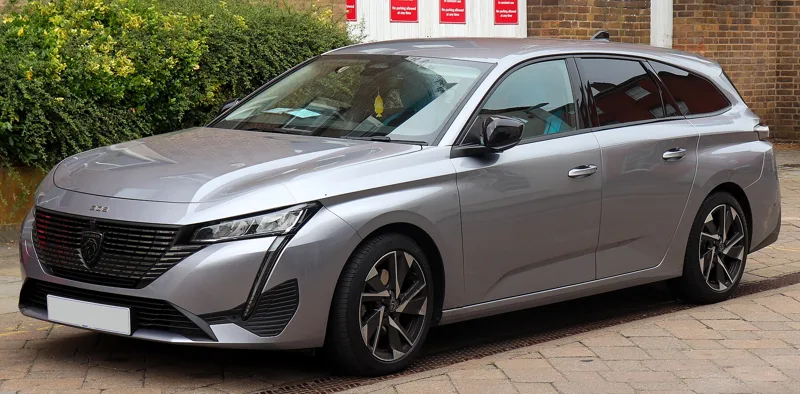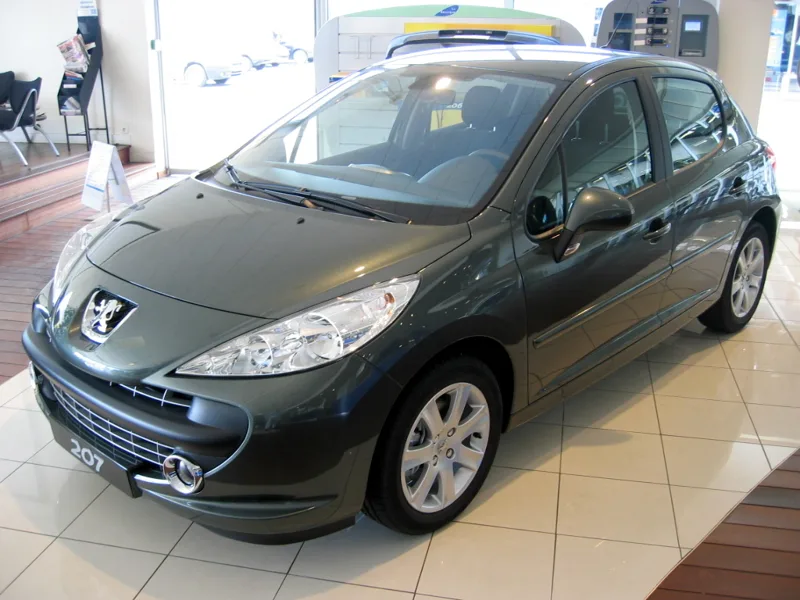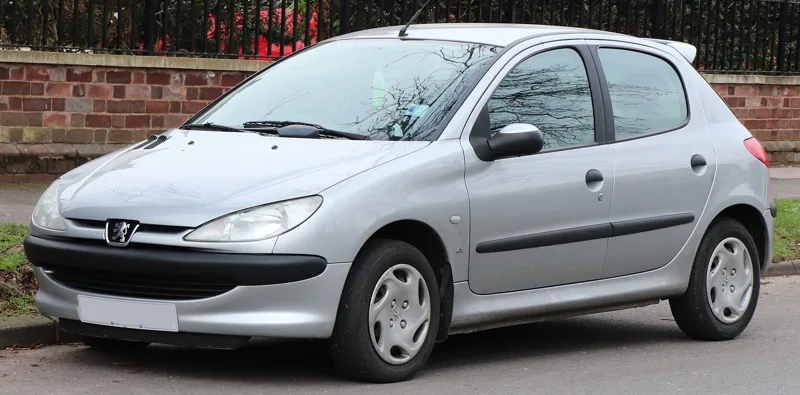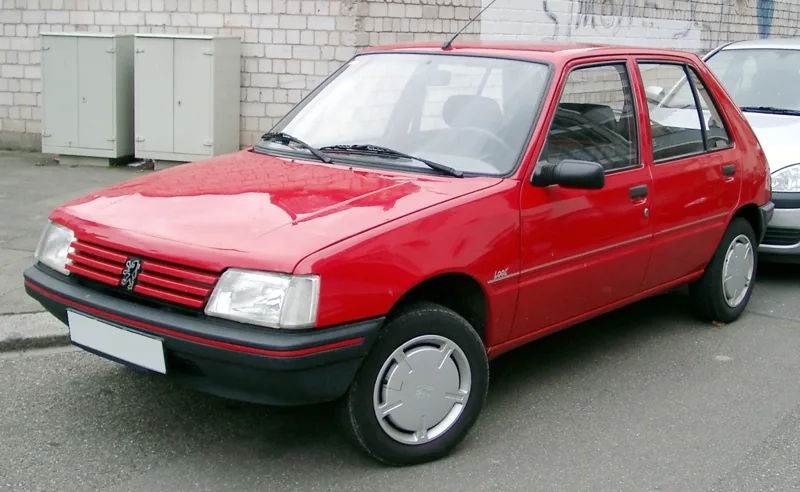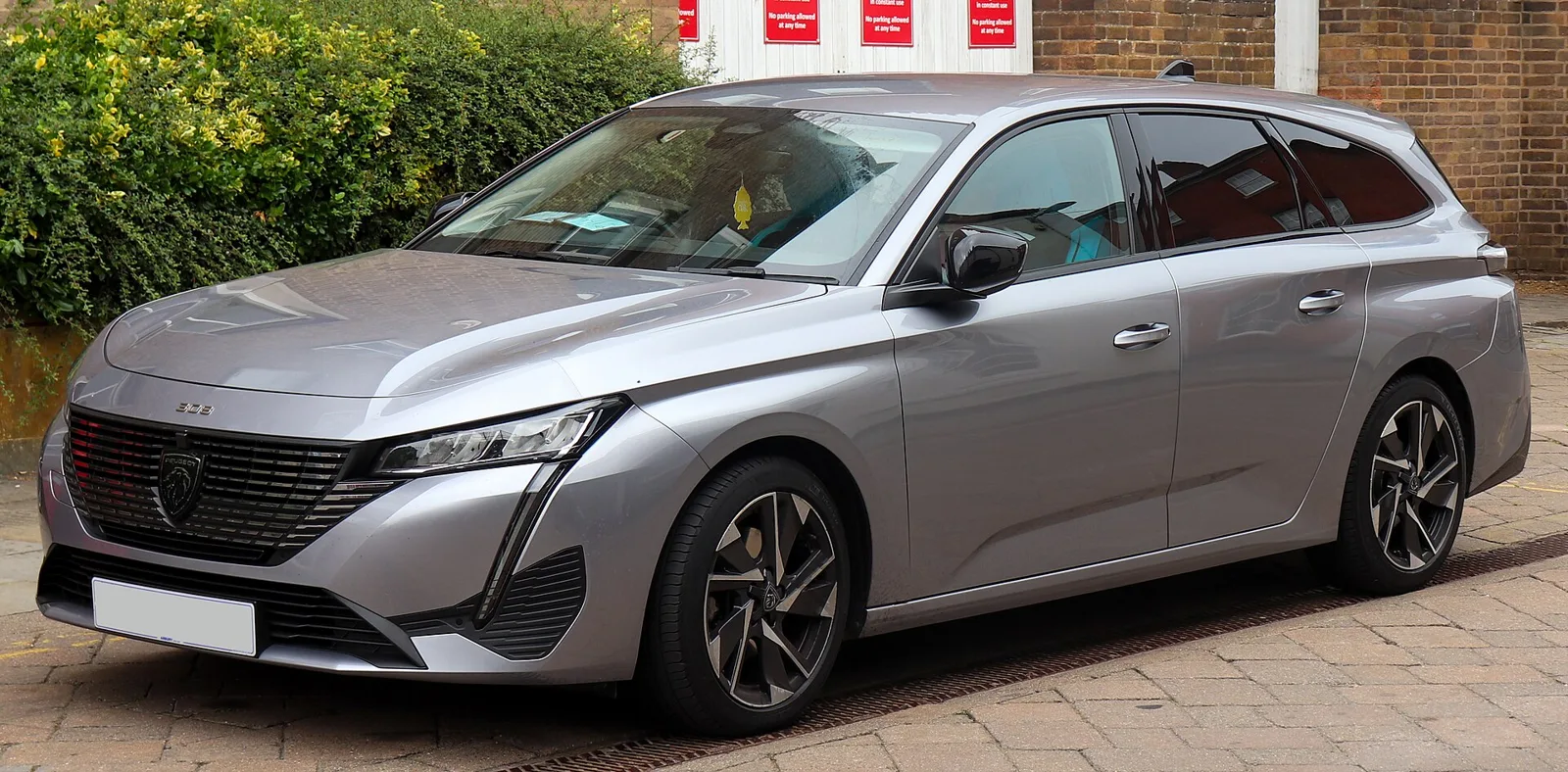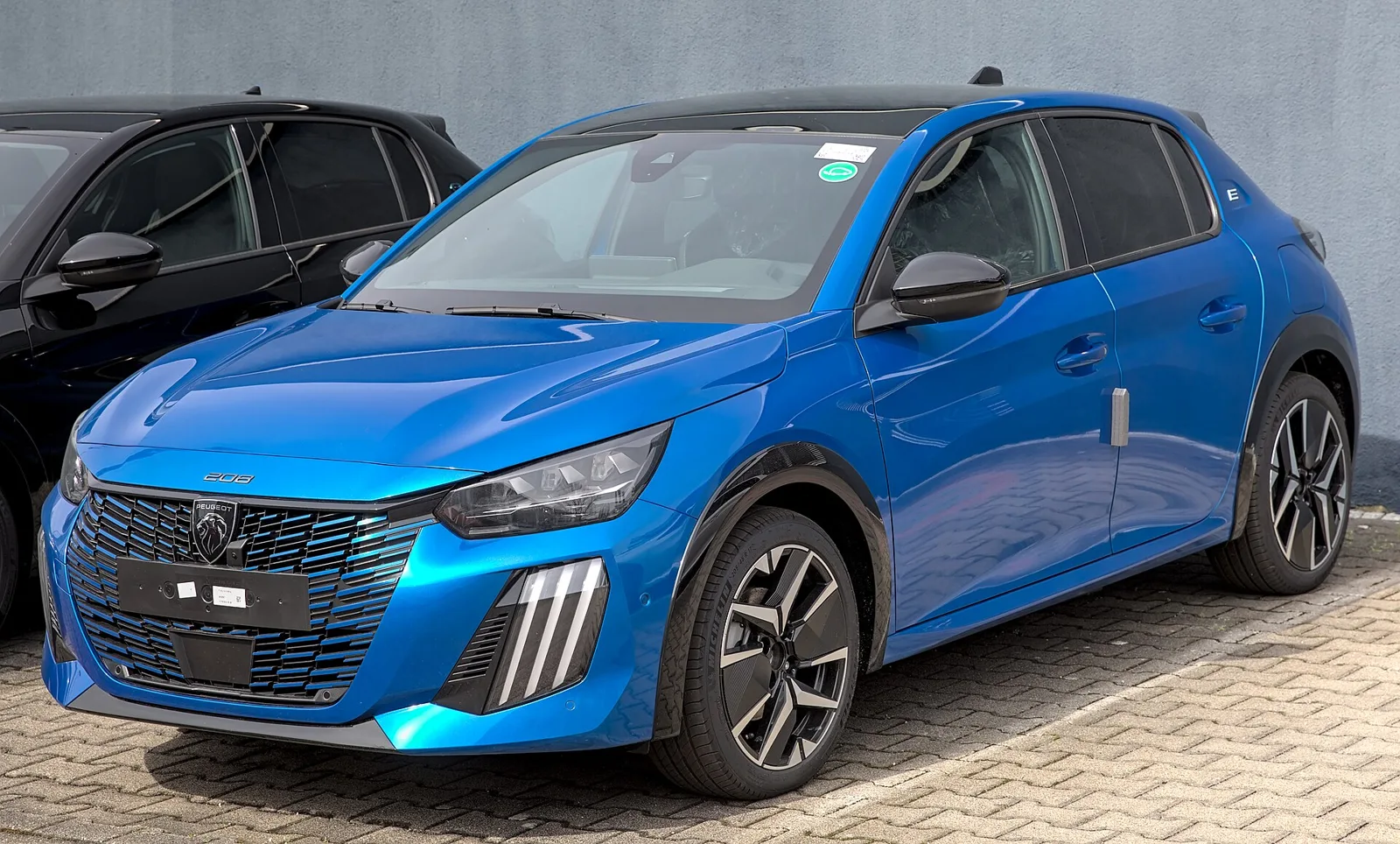
From its 2012 debut on a lightweight platform to the electric e-208 GTI, the 208 has carried Peugeot's small-car and performance ambitions for more than a decade.
The Peugeot 208 is a supermini that Peugeot launched in 2012 as the successor to the 207. Its first generation was notably light, its GTi models brought hot-hatch performance, and the electric e-208 followed the 2019 second generation. Rally and hillclimb successes added to its reputation.
The Peugeot 208 is a supermini that Peugeot unveiled at the Geneva Motor Show in March 2012. It sits below the larger 308 and replaced the 207, and a second generation followed in 2019. Peugeot has also offered a battery electric version, the e-208, alongside the petrol and diesel range.
Where did the Peugeot 208 come from?
The first-generation 208 was developed under the code name A9 and built on the PSA PF1 platform. Its design team was led by Pierre Authier, who had also designed the Peugeot 2008 Mk1, with Sylvain Henry as exterior designer and Adam Bazydlo handling the interior. Marie Sanou oversaw colour and trim.
Production began with three-door cars at Peugeot's new plant in Trnava, Slovakia, in November 2011. Five-door hatchbacks followed in June 2012, when production also started at the French plants in Mulhouse and Poissy.
A light, sharp supermini that moved from petrol GTi thrills to an electric hot hatch with a rally pedigree.
How light was the first 208?
The first 208 was 173 kg (381 lb) lighter than the 207 it replaced, while still offering more room. Its boot held 285 litres on the VDA measure, 15 litres more than the 207, and rear seat legroom grew by 5 cm (2 in). Its drag coefficient of 0.29 helped the car's efficiency.
Weight saving came from a range of choices. The car used an aluminium front beam absorber, a laser-welded roof and extensive ultra-high strength steel, and it sat on the PF1 platform. Peugeot's engineers also reduced noise and soundproofed the engine bay. Those weight-saving choices were central to the car's engineering brief.
Which engines did the first generation use?
Five petrol and three diesel engines were available at launch. From September 2012 two new three-cylinder units with variable valve timing joined the range: the 1.0 VTi with 50 kW (68 PS; 67 hp) and the 1.2 VTi with 60 kW (82 PS; 81 hp).
The 1.0 VTi was advertised at 4.3 L/100 km and 99 g/km of CO2. The 1.2 three-cylinder later arrived with turbocharging in the PureTech 110 and PureTech 82 forms, and it could be paired with a five-speed manual or a six-speed automatic.
The diesel range started with the 1.4 e-HDi, originally introduced for the 207 in 2010. It made 50 kW (68 PS; 67 hp) and was rated at 3.4 L/100 km and 87 g/km in the 208.
What made the 208 GTi special?
The 208 GTi arrived in September 2012 as the performance model of the first generation. It used a 1.6 litre turbo engine making 147 kW (200 PS; 197 hp), paired with a six-speed manual, and it weighed 1,160 kg, 90 kg lighter than the 207 GTi.
Its track was widened, and it sat on 17-inch wheels in 205/45 tyres with 302 mm front discs. A later limited edition, the 30th by Peugeot Sport, marked 30 years since the 205 GTi. It produced 153 kW (208 PS; 205 hp) and used a Torsen limited-slip differential from the RCZ R, with 323 mm front discs and four-piston Brembo calipers.
How did the first 208 change after launch?
In June 2015 the first-generation 208 was facelifted, with revised styling and extra safety equipment. The update introduced the top-level GT-Line trim, which added a touchscreen display, and Apple CarPlay and Android Auto compatibility on most models.
The 30th Anniversary edition of the GTi had appeared in November 2014, and the diesel line-up was narrowed to 1.5 litre units by 2018. The Peugeot Connect Apps system also made its first appearance in the 208 during this period. The update also kept the car current with the wider Peugeot range.
Which trims did the 208 offer?
The second generation list began with Active and Signature, which was also called Allure. Tech Edition added the 1.2 litre PureTech 110 turbo with a five-speed manual or six-speed automatic, and the GT-Line topped the range with 16-inch diamond-cut alloy wheels.
The wider list also ran to Access, Access Plus, Style and Lime, together with XY, several GTI editions, Roland Garros, Intuitive and Feline. Some of these were limited editions, so buyers had to check availability in each market.
What is the second-generation 208?
The second generation debuted at Geneva in March 2019 and went on sale across Europe over the summer. The e-208 was shown alongside it, a sign that Peugeot intended the new platform to carry both petrol and electric versions. It moved from the older PF1 platform to the Common Modular Platform, shared with the 2008, the DS 3 Crossback and the Opel Corsa. That change cut around 30 kg (66 lb) from the vehicle's weight.
The interior adopted Peugeot's i-Cockpit, with a digital instrument cluster, a smaller steering wheel and a touchscreen. Physical buttons were reduced, and optional driver assistance included adaptive cruise control, lane centring, automatic parking and blind spot monitoring.
Which engines did the second generation offer?
The conventional petrol engines were branded PureTech and included a 1.2 litre three-cylinder naturally aspirated unit with 74 hp, and turbo versions with 100 hp and 129 hp. The diesel was a 1.5 litre four-cylinder producing 75 kW (102 PS; 101 hp).
Peugeot's development of a petrol GTi ended in 2017, because the larger 1.6 litre engine could not meet corporate CO2 targets. The company later hinted that the next GTi could be electric, and the e-208 GTi was revealed in 2025.
How does the e-208 compare with the petrol car?
The e-208 is a battery electric version that uses the same chassis as the petrol and diesel cars, which Peugeot chose so buyers could pick the drivetrain that suited them. It has a 50 kWh battery feeding a 100 kW (136 PS; 134 hp) motor, while a 6.6 kW charger handles AC charging. Its WLTP range is 340 km (211 mi).
The e-208 is about 350 kg (770 lb) heavier than the conventional car, and it has a slightly wider rear axle to fit the battery pack. It supports 100 kW DC fast charging, and its gear selector is used to choose the level of regenerative braking.
How did the e-208 sell?
Demand for the e-208 was strong soon after its launch in October 2019. Peugeot had planned around 30,000 cars a year, and a quarter of all pre-orders were for the electric model. The maximum annual production for the e-208 is 60,000 units.
The e-208 was also built on the same line as the petrol car at the Slovak Trnava plant, which kept production flexible. The electric car won the Most Desired Electric Car award in North Macedonia at the Golden Steering Wheel awards in 2021, which showed its appeal beyond the main markets.
What changed in the 2023 facelift?
In July 2023 Peugeot announced a facelift for the second generation. The new car had a revised front end with new headlights, apron and grille, and new tail lights at the back. LED headlights became standard, with full LED options available.
The infotainment system became a 10-inch display as standard, compared with 7 inches before. The PureTech 100 and 130 automatics gained a 48V hybrid system that can run in electric mode at times, and the e-208 received a new powertrain with 115 kW (154 hp) and a range of 400 km (250 mi).
Where is the 208 built outside Europe?
Peugeot started assembling the second-generation 208 in Argentina in July 2020, at its Buenos Aires plant. About 60 percent of the output was exported, and only combustion models were built there, because the e-208 sold in South America is imported.
The Argentine car uses a 1.6 litre EC5F engine making 114 PS, and it has higher ground clearance than the European version to suit rougher roads. Brazil received a naturally aspirated 1.0 litre 208 in May 2022, and a 1.0 litre turbo with 130 PS was added in September 2023. The higher ride height was a deliberate response to local road conditions, which the Argentine car was engineered to handle.
How did the 208 perform in motorsport?
Sebastien Loeb tested the 208 T16 at Mont Ventoux in April 2013. Its 3.2 litre twin turbo V6 developed 875 bhp (652 kW; 887 PS) in a car weighing 875 kg (1,929 lb), and it reached 100 km/h in 1.8 seconds. The car was built to show what a lightweight, mid-engined rally machine could do on the hill, and the figures reflected that aim.
On 30 June 2013 Loeb used the car to set an 8:13.878 record at the Pikes Peak International Hill Climb, beating the previous record of 9:46.164. The 208 T16 also won the hillclimb at the 2014 Goodwood Festival of Speed.
The 208 has also appeared in rallycross and rallying. Team Peugeot-Hansen claimed the manufacturers' crown in the FIA World Rallycross Championship during November 2015, and Timmy Hansen took the 2019 title in a 208. Juha Salo claimed the Finnish Rally Championship twice, in 2015 and 2016, driving an R5 built around the first-generation car.
How was the 208 received?
The 208 won the Best Cars award for the best city car, chosen by a jury of readers from the magazine l'Automobile. A panel of thirteen journalists from Kilometres Entreprise also awarded the Blue HDi 100 version the Business Cars of the Year trophy on 26 January 2016.
The e-208 later added its own honour, winning Most Desired Electric Car at the Golden Steering Wheel awards. A 208 GTi 30th also won the overall prize in the inaugural Classic Sports Car Club Turbo Tin Tops Series in 2018.
What are the Peugeot 208 specifications?
The table covers the main figures for the first-generation GTi, the second-generation range and the electric e-208. Each row names the version it applies to, so the petrol and electric numbers do not blur.
| Specification | Detail |
|---|---|
| Debut | March 2012, Geneva Motor Show |
| First-generation drag coefficient | 0.29 |
| GTi engine | 1.6 litre turbo, 147 kW (200 PS; 197 hp); GTi weight 1,160 kg |
| 30th by Peugeot Sport | 153 kW (208 PS; 205 hp) |
| Second generation | Revealed at Geneva, March 2019 |
| e-208 battery | 50 kWh |
| e-208 range | 340 km (211 mi) WLTP |
| 2023 e-208 powertrain | 115 kW (154 hp), 400 km (250 mi) range |
| Pikes Peak record | 8:13.878, 30 June 2013 |
Frequently asked questions
What replaced the 207?
The 208 replaced the 207 in 2012, sitting below the larger 308 in Peugeot's range.
How fast was the 208 GTi?
The GTi's 1.6 litre turbo delivered 147 kW (200 PS; 197 hp) through a six-speed manual, and the whole car was only 1,160 kg.
What platform does the second generation use?
The second generation moved to the Common Modular Platform, which it shares with the 2008, DS 3 Crossback and Opel Corsa.
How far can the e-208 go?
The e-208 has a 50 kWh battery and a WLTP range of 340 km (211 mi), with DC fast charging at up to 100 kW.
Is the 208 built outside Europe?
Yes. Peugeot assembles the second-generation car in Argentina, where about 60 percent of output is exported.