The fuel is older than the diesel engine. Here is what it does to injectors, filters, hoses and warranties, and which blends most cars can take.
Many diesel cars can run on biodiesel blends of 20% or less with little or no modification, though makers may limit warranty cover, and the newest high-pressure common rail engines are often held to B5 or B20. Pure B100 may need engine changes and suffers in cold weather.
The chemistry behind biodiesel is older than the engine it now feeds. Patrick Duffy transesterified a vegetable oil in 1853, four decades before the first diesel engine ran under its own power.
What counts as a biofuel?
A biofuel is a fuel made from biomass over a short span of time, as opposed to oil, which took very slow natural processes to form. The raw material may be plants, or agricultural, domestic or industrial waste. Most of it goes into transport, though some is burned for heat and electricity, and biofuel is classed as a renewable energy source.
Two types dominate: bioethanol and biodiesel. America leads the world in making bioethanol, while the EU makes more biodiesel than anyone else. Brazil runs large volumes of ethanol through its cars, among them some flex-fuel models sold nowhere but there. Worldwide, the energy content of the bioethanol produced is 2.2 EJ a year and that of biodiesel is 1.8 EJ.
Ethanol is an alcohol made by fermenting sugar-rich or starchy crops, among them maize, sugarcane and sweet sorghum. It can power a car on its own, as E100, but it is normally mixed into petrol to raise the octane rating and improve emissions. Biodiesel is a different animal. It comes from oils or fats by a reaction called transesterification, and it can be burned neat, as B100, or added to ordinary diesel, where it lowers the particulates, carbon monoxide and hydrocarbons that come out of the tailpipe.
Where the raw material comes from matters as much as the fuel. First-generation biofuels start life as food crops on farmland. Advanced biofuels draw on feedstocks that do not compete directly with food: straw, bagasse, perennial grasses, jatropha, used cooking oil and municipal solid waste among them.
The ceiling on a bio blend is set by the injection system, and the newest engines have the lowest ceiling.
How does biodiesel differ from petroleum diesel?
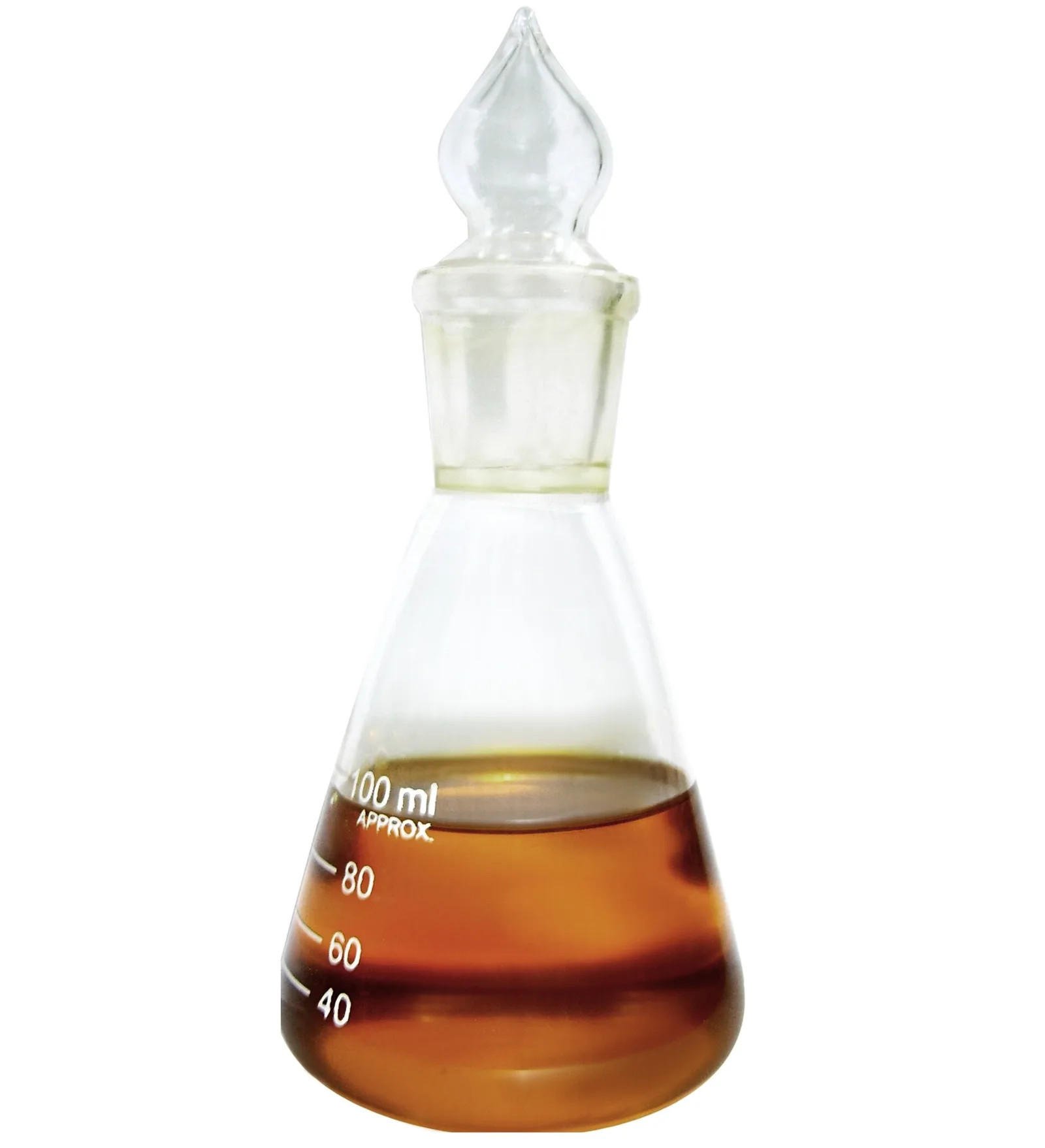
On the page, the two look alike. Biodiesel is a liquid close in composition to fossil diesel. Chemically it is made up mostly of esters of fatty acids, with methyl or ethyl groups attached, usually shortened to FAMEs. It can be made from animal fats and from vegetable oils including soy, rapeseed, sunflower, palm, hemp and jatropha, and even from algae. Glycerol comes out of the process as a by-product, and that has commercial uses of its own.
The big difference is oxygen. Biodiesel is an oxygenated fuel, with less carbon and more hydrogen and oxygen than fossil diesel. That helps it burn more completely and cuts the particulates that come from unburnt carbon. The cost is that pure biodiesel may raise NOx emissions.
Safety is a point in its favour. The fuel is non-toxic and biodegradable, and its flash point, the temperature at which vapour can ignite, is much higher than that of petroleum diesel.
Biodiesel and petroleum diesel side by side
| Property | Biodiesel | Petroleum diesel |
|---|---|---|
| Density | Around 0.88 g/cm3 | Around 0.85 g/cm3 |
| Calorific value | About 37.27 MJ/kg, 9% lower than regular Number 2 petrodiesel | Higher than biodiesel |
| Flash point | Can exceed 130 C (266 F); another figure puts it at about 148 C (300 F) | As low as 52 C (126 F); another figure gives 125 F |
| Sulfur | Virtually none | Sulfur compounds provide much of the lubricity |
| Boiling point | Higher | Lower |
The lower calorific value is why fuel efficiency is affected. Some argue that better lubricity and more complete combustion win part of that back, and the energy density of biodiesel varies more with the feedstock than with the production process. The spread is still narrower than the spread seen in petrodiesel.
Lubricity deserves a closer look. Biodiesel contains virtually no sulfur, and the sulfur compounds in petrodiesel supply much of its lubricating ability, yet biodiesel still has promising lubricating properties and cetane ratings. It is often blended into ultra-low-sulfur diesel for exactly that reason. Fuels with higher lubricity may lengthen the working life of high-pressure injection pumps, unit injectors and fuel injectors, the parts that rely on the fuel itself for lubrication.
Can my car run on biodiesel?
The honest answer depends on the age of the engine and the type of injection system. Mixed with mineral diesel, biodiesel suits any diesel engine. Blends of 20% biodiesel and below go into diesel equipment needing little or no modification, though a few manufacturers refuse warranty cover when these blends are blamed for damage.
Pure biodiesel is a different matter. Most engines cannot run on it without modification, which is why it is usually blended into petrodiesel at under 10%. Many current-generation diesels are nonetheless designed to run on B100 without altering the engine, depending on the design of the fuel rail. Where changes are needed, they exist to head off maintenance and performance trouble.
The letter and number on the pump label tell you the mix. The B factor states how much biodiesel is in the tank:
- B100 is 100% biodiesel, also called neat biodiesel.
- B20 is 20% biodiesel and 80% petrodiesel.
- B10 is 10% biodiesel and 90% petrodiesel.
- B7 is 7% biodiesel and 93% petrodiesel.
- B5 is 5% biodiesel and 95% petrodiesel.
- B2 is 2% biodiesel and 98% petrodiesel.
The B6 to B20 range is covered by the ASTM D7467 specification. Pure biodiesel is judged against separate quality standards: EN 14214 in Europe, ASTM D6751 in the United States and CAN/CGSB-3.524 in Canada. The American standard sets test methods for properties such as flash point and kinematic viscosity.
What do modern injection systems tolerate?
Injection is where the trouble starts. Electronically controlled common rail and unit injector systems from the late 1990s onwards have finely metered, atomised, multiple-stage injection, and the thickness of the fuel matters a great deal to them. They can use biodiesel only when it has been blended with conventional diesel fuel.
The newest hardware is the strictest. Extreme high-pressure common rail engines, running at 29,000 psi (200,000 kPa), carry factory limits as strict as B5 or B20, depending on the manufacturer. That is the figure to remember for a recent diesel: the ceiling is set by the maker, and it is low.
Filters and fuel lines
Biodiesel is an effective solvent. It dissolves residue left behind by mineral diesel, in the tank and in the pipes, and the debris ends up in the filter. If the switch to pure biodiesel is quick, fuel filters may clog with particulates, so the recommendation is to replace the filters in engines and heaters soon after the first fill of a biodiesel blend. There is an upside: the same cleaning action removes carbon deposits from the combustion chamber, which helps efficiency stay up.
Hoses and gaskets
The solvent power also attacks natural rubber. Biodiesel will degrade natural rubber gaskets and hoses, mostly in vehicles built before 1992. Those parts tend to wear out naturally and have most likely been replaced with FKM already, a material that does not react with the fuel.
Cold weather
Winter is the other hazard. Pure biodiesel becomes somewhat more viscous at low temperatures, depending on the feedstock, and that can cause maintenance and performance problems. Hydrogenated oils behave better in the cold, a point that comes up again below.
What have carmakers said about biodiesel?
In 2005 Chrysler, then part of DaimlerChrysler, sent Jeep Liberty CRD diesels to the European market straight from the factory with 5% biodiesel blends, which indicated at least partial acceptance of the fuel as a diesel additive. Two years later DaimlerChrysler said it intended to extend warranty coverage to 20% blends if the quality of American biofuel could be standardised.
The Volkswagen Group has put out a statement naming several of its vehicles as suitable for B5, and for B100 made from rapeseed oil to the EN 14214 standard. The warranty stays intact if the specified biodiesel is used. On the commercial side, Renault, Peugeot and other makers have certified truck engines to run on mixes with up to 30% biodiesel, and trials at 50% are under way.
Where is biodiesel already on sale?
A 5% biodiesel blend is in wide use across many European countries, on sale at thousands of filling stations. In France, biodiesel is incorporated at 8% in the fuel used by all French diesel vehicles. Local production of diester, made from rapeseed oil, began in the 1990s, mixed into regular diesel at 5% and into the fuel of some captive fleets, public transport among them, at 30%. Pure biodiesel is also sold at many ordinary service stations across Europe.
Avril Group produces biodiesel under the brand name Diester, and supplies a fifth of the 11 million tons the European Union consumes each year, which makes it the leading European producer. In the United Kingdom, the Renewable Transport Fuel Obligation set suppliers a target of 5% renewable content across all transport fuel by 2010, and for road diesel that effectively means B5. In the United States, use has been rising since the Energy Policy Act of 2005.
Is there a version that needs no engine changes?
Green diesel sidesteps almost every worry above. It is made by hydroprocessing vegetable oils and animal fats, using hydrogen to reform their molecular structure, and it goes by several names: renewable diesel, drop-in biodiesel and hydrotreated vegetable oil, or HVO. Unlike biodiesel, it matches petroleum diesel property for property in its chemistry. Engines, pipelines and distribution networks can stay exactly as they are.
The catch is money: so far, green diesel has not been made at a price that can compete with petroleum. Development is under way in Louisiana and Singapore, with Neste Oil, ConocoPhillips, Valero, Honeywell UOP and Dynamic Fuels among the names involved, while Preem in Gothenburg, Sweden is behind a product called Evolution Diesel.
A related route hydrogenates oils into hydrocarbon chains that score a high cetane number, carry little sulfur and few aromatics, and contain no oxygen. These fuels can be blended with diesel in any proportion. They perform well at low temperatures, have no storage stability problems and are not open to microbial attack, which are advantages over biodiesel.
Why not just pour in vegetable oil?
Edible vegetable oil, straight from the bottle, is not normally burned as fuel, though lower-quality oil has been, and used cooking oil is increasingly turned into biodiesel instead. History explains the caution. The United Kingdom, Germany, France, Belgium, Italy, Portugal, Japan, China, Brazil and Argentina were all reported to have tried vegetable oils in diesels during the 1920s, 1930s and the Second World War, and operators ran into problems. The oil is thick, so it atomises poorly in the spray, and the result is often coking and deposits on the injectors, in the combustion chamber and on the valves. Heating the oil, blending it with diesel or ethanol, pyrolysis and cracking were all tried as remedies.
A popular story has Rudolf Diesel designing his engine around peanut oil. That is not the case. His own account describes a small diesel built for mineral oil that ran on groundnut oil at the 1900 Paris exhibition, at the request of the French government, with no alterations, and so smoothly that few noticed. In a 1912 speech he said that vegetable oils might become, in time, as important as petroleum and coal-tar products.
How did biodiesel become a product?
Diesel's prototype, a single iron cylinder of 10 ft (3.05 m) with a flywheel at its base, first ran on its own power in Augsburg on 10 August 1893, and that date is now marked as International Biodiesel Day. Georges Chavanne of the University of Brussels received Belgian Patent 422,877 on 31 August 1937 for turning vegetable oils into fuel by alcoholysis, which appears to be the first account of what is now called biodiesel.
The Brazilian scientist Expedito Parente invented the first industrial process for making biodiesel in 1977. South Africa began work on transesterified sunflower oil in 1979, and by 1983 the process had been perfected for fuel of engine-tested quality and written up for an international audience. The Austrian firm Gaskoks took the technology from the South African engineers and put up a pilot plant in November 1987. Its first industrial plant followed in April 1989, able to handle 30,000 tons of rapeseed a year. By 1998 the Austrian Biofuels Institute had counted 21 countries with commercial biodiesel projects.
What does biodiesel do for emissions?
Pure biodiesel currently cuts emissions by up to 60% compared with diesel, for second-generation B100. Biofuels in general emit less greenhouse gas when burned in an engine and are widely regarded as carbon-neutral, because the crops took the carbon from the atmosphere in the first place.
Life-cycle assessments complicate that picture. They show large emissions linked to the land-use change needed to grow extra feedstock, and the results depend heavily on the feedstock, the production route and the methods used. Depending on the scenario, biofuel emissions can be comparable to fossil fuels or can be negative. Critics also point to deforestation, biodiversity loss and the food versus fuel debate over prices and availability. Feedstock demand is already large. By the IEA's estimate, making biodiesel took 17% of the world's vegetable oil in 2021, while ethanol took 20% of sugar and 13% of corn.
Where this goes next
Global demand for biofuels is predicted to rise by 56% over 2022-2027, and the forecast for 2027 is a 5.4% share of transport fuels worldwide, 1% of aviation fuel included. The IEA says biofuel should be used above all where electrification is hard, such as shipping and aviation.
Research continues at the edges. As of 2020, Australia's CSIRO was looking at safflower oil as an engine lubricant. At the Advanced Fuels Center of Montana State University in the United States, the oil was put through a big diesel engine, and the results were called a breakthrough. Biomethanol is technically feasible but production has been postponed over doubts about its economics, and cellulosic ethanol from trees and grasses is being developed as an alternative to ethanol from food crops.