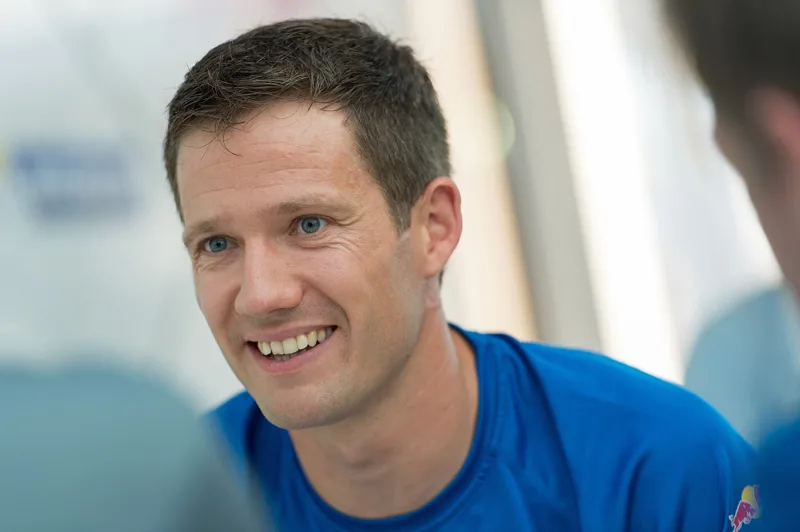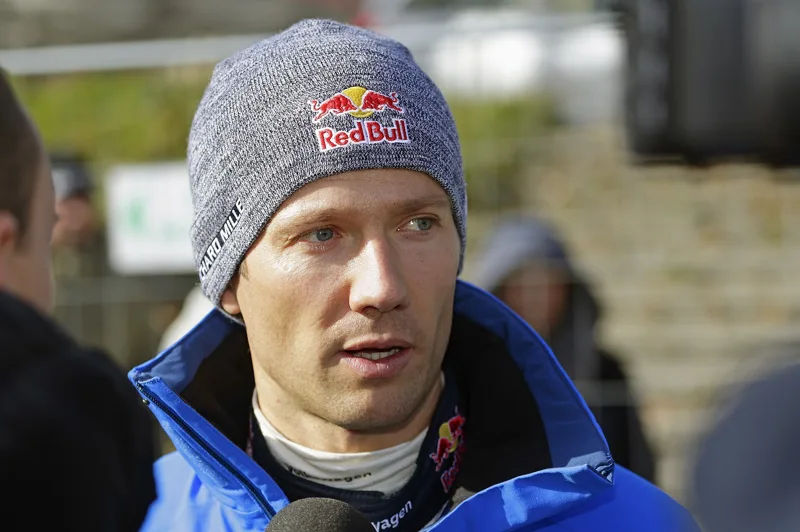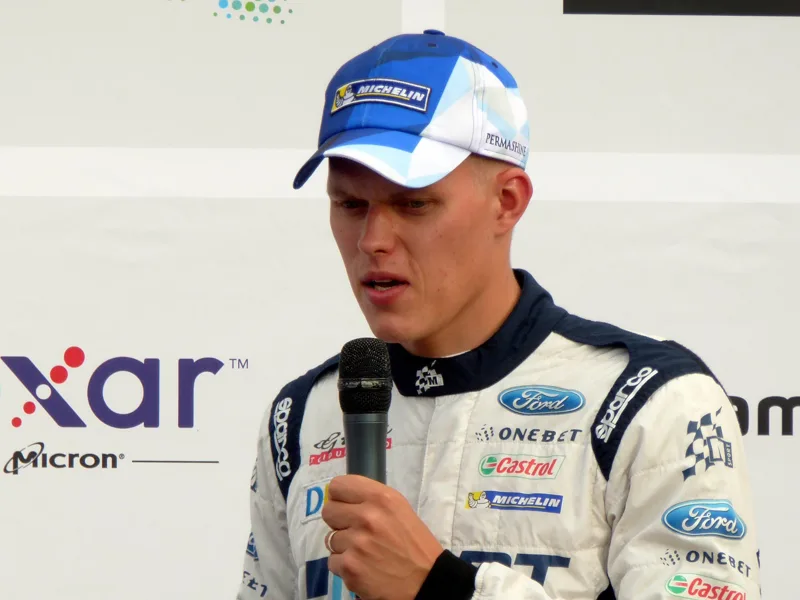
Sebastien Ogier and Julien Ingrassia won the 74th Rally Great Britain on a revised route, becoming the most successful crew in the event's history.
Ogier and Ingrassia took the 2018 Wales Rally GB for M-Sport Ford, a fifth Welsh triumph for the pair. Toyota's Latvala and Anttila were second, and Lappi and Ferm third. The rally ran from 4 to 7 October 2018 over twenty-three stages.
The 2018 Wales Rally GB was a four-day World Rally Championship event based in Deeside in Flintshire, run from 4 to 7 October 2018. It was the 74th running of Rally Great Britain and the eleventh round of the championship. Sebastien Ogier and Julien Ingrassia won for M-Sport Ford, their fifth win in Wales and the most by any crew in the event's history.
Who won the 2018 Wales Rally GB?
Ogier and Ingrassia finished ahead of Jari-Matti Latvala and Miikka Anttila of Toyota, while Lappi and Ferm, also of Toyota, filled third place. The victory brought Ogier within seven points of the championship leaders, Thierry Neuville and Nicolas Gilsoul.
The decisive moment came on the last stage. Latvala and Anttila had led through the first pass over Great Orme in Llandudno, but Ogier and Ingrassia took the position back on the return to Gwydir. A delay caused by an incident brought emergency services to the road, and not every crew could start, yet Ogier's time was good enough to take both the stage and the overall rally.
The win earned twenty-five championship points, plus a bonus for the Power Stage. Lappi and Ferm also scored an extra Power Stage point. M-Sport Ford took the manufacturers' win, and Toyota Gazoo Racing WRT extended its manufacturers' lead.
A revised route, a Power Stage moved to Gwydir and a driver with a fifth Welsh win, all decided on the final stage.
How did the route change for 2018?
The 2018 route was heavily revised from the 2017 event. The organisers wanted a tougher course and responded to criticism about the long transport sections, which are the public-road links between special stages. The final route added 14.98 km (9.31 miles) of competitive distance and shortened the transport.
The rally was based in Deeside in Flintshire and used twenty-three special stages in North and Mid-Wales. Competitive distance totalled 318.34 km (197.81 miles), with 1,083.01 km (672.95 miles) of transport on top. The changes allowed crews to return to the Deeside service park at the end of the first day, something they had asked for after 2017.
Sixty crews signed up, among them eleven in the top class, fourteen in WRC-2, four in WRC-3 and nineteen national-level British entries. Toyota Gazoo Racing WRT led the manufacturers' championship by five points over Hyundai Shell Mobis WRT before the rally began.
The road surface in Wales is a heavy gravel on a hard-packed base. It gives good grip in dry weather, but in wet conditions it can turn muddy and rutted, especially on a stage that is run several times. Leg one included two passes over Clocaenog Forest. Penmachno Forest was run in full by using public roads. Brenig, the longest stage at 29.19 km (18.14 miles), was formed by merging the Brenig reservoir stage with the Alwen stage, linked by parts of the B4501. The Slate Mountain spectator stage replaced the Cholmondeley Castle stage in England.
The calendar changed too. The event swapped places with Rally Catalunya, moving it from late October into early October, and Rally Turkey returned as the tenth round in place of Rally Poland. The FIA gave entrants an extra week to prepare because of the trip from Turkey to Wales. Latvala expected the earlier date to bring steadier temperatures, which would make set-up easier.
Why was the Power Stage moved to Gwydir?
The organisers had planned to use the Great Orme stage as the Power Stage. The FIA rejected that idea because the stage was tarmac, while the rest of the rally was mainly gravel and the Power Stage was supposed to reflect the event. The row ended when the organisers used the first Gwydir pass as the Power Stage instead.
That settlement allowed the rally to keep its planned finish in Llandudno. The Great Orme stage had also featured in the 2013 event, and the compromise kept the Llandudno finish as planned.
The Power Stage ran for 14.70 km on the final day. Extra World Drivers' and Co-drivers' points went to the five fastest crews, but a crew had to complete the rally to be eligible, because the stage was not the last one of the event.
The legal framework made the new route possible. The Deregulation Act 2015 changed the Road Traffic Act 1988 so that motor racing could take place on public roads. Welsh lawmakers then adopted their own rules for racing on Welsh roads, approved in February 2018.
How did the first leg unfold?
Ott Tanak and Martin Jarveoja dominated the forest stages on the first leg, winning five of eight and finishing with a margin of twenty-eight seconds over Neuville and Gilsoul. Tanak and Jarveoja arrived after three consecutive victories, which made their early pace expected. Defending winner Elfyn Evans retired with a misfire, and Ogier had dropped to eighth after spins and lost gears on the first pass through the forests. Evans and Barritt had been close behind Tanak until the same misfire developed.
Lappi and Ferm won the opening super special by three-tenths of a second over Toyota team-mates Latvala and Anttila, and Neuville and Gilsoul shared second on that stage. Latvala later lost his rhythm in the afternoon loop and dropped to third overall, while Lappi, after an early spin, ended the leg fourth.
Teemu Suninen and Mikko Markkula slid into a ditch and could not return to the rally. Breen and Scott Martin ran the most efficient day among the Citroen crews, placing sixth, with the Hyundai duos of Paddon and Marshall and Mikkelsen and Jaeger-Synnevaag behind them in seventh and eighth.
Paddon and Mikkelsen complained that the cars handled unpredictably in the afternoon loop, when rain changed the road profile. Neuville reported the opposite, saying his handling improved after a new Michelin specification gave more grip and durability. Citroen's Mads Ostberg and Torstein Eriksen finished the leg ninth, the last of the World Rally Car entries.
How did legs two and three decide the rally?
Tanak retired early on leg two after damaging his radiator on a heavy landing at Sweet Lamb Hafren, which handed Ogier the initiative. Ogier had climbed from fifth to first, and he chose medium-compound tyres because dry gravel would have damaged the softer rubber. His lead was four seconds over Latvala. Mads Ostberg and Torstein Eriksen also benefited from the reversed running order on that leg, using favourable road positions in the morning loop to climb the leaderboard.
Neuville and Gilsoul left the road during the early-morning stages and lost fifty-one seconds, then conceded a further fifteen seconds when they could not match the leaders' pace. Breen and Martin finished the second leg fourth, around fifteen seconds off the lead. Mikkelsen and Jaeger-Synnevaag, who ran in favourable road positions, won three stages on the day.
On the last leg Ogier and Latvala traded places several times. Latvala's Gwydir Power Stage time earned him five bonus points and was enough to put him ahead, before Ogier retook the lead on the return to Gwydir. Latvala could not set a competitive time on the final stage, so Ogier only had to finish to secure the rally.
Ogier and Ingrassia were quick enough to take that stage too, and with it the rally. Tanak came back under Rally2 regulations to finish nineteenth, while Evans finished twentieth after his own re-entry.
| Finish | Driver | Team | Note |
|---|---|---|---|
| First | Sebastien Ogier | M-Sport Ford | Fifth Wales win; twenty-five points for the rally |
| Second | Jari-Matti Latvala | Toyota | Five bonus points on the Gwydir stage |
| Third | Esapekka Lappi | Toyota | Extra Power Stage point |
| Fourth | Craig Breen | Citroen | Fourth overall |
| Fifth | Thierry Neuville | Hyundai | Championship leader going into the event |
| Sixth | Andreas Mikkelsen | Hyundai | Won three stages on leg two |
| Seventh | Hayden Paddon | Hyundai | Handling concerns in the afternoon loop |
| Eighth | Mads Ostberg | Citroen | Eighth overall |
| Ninth and tenth | Skoda Motorsport WRC-2 crews | Skoda Motorsport | Last points-scoring places |
What happened in the support categories?
Kalle Rovanpera, who was eighteen years old, won WRC-2 with Jonne Halttunen. They ended the first leg as category leaders and tenth overall. They won every stage but one on the first leg and took a lead of fifty-five seconds over their Skoda team-mates, Tidemand and Andersson. The advantage held through the second leg, and they won the category by ninety-four seconds.
Tidemand and Andersson took second in the category, despite damaging their rear suspension in an off-road excursion during the Power Stage. They repaired it during a transport stage and kept going. Gus Greensmith and Alessandro Gelsomino finished third in WRC-2.
In WRC-3 Tom Williams and Phil Hall led after the first leg, swapping stage wins with Taisko Lario and Tatu Hamalainen. Lario and Hamalainen arrived late at a stage check and received a thirty-second addition to their time, which let Williams and Hall take their first category victory. Emil Bergkvist, the newly crowned Junior World Rally Champion, had led the WRC-3 standings going in.
Brazzoli and Beltrame, a privateer Italian pairing, passed Lario and Hamalainen during the second leg and kept the place to the finish. Lario and Hamalainen still finished third overall, and the first two legs formed the closing stretch of the MSA British Rally Championship. Matt Edwards and Darren Garrod clinched that title with fourth place on leg one.
What did the drivers think of the route?
The new route was broadly praised. Kris Meeke, who had driven for Citroen, welcomed the challenging stages, and Thierry Neuville and Craig Breen both described it as the strongest layout seen since the event left Cardiff for Deeside.
Elfyn Evans was less enthusiastic. He wanted the organisers to make more use of the new road-closure powers, for example by merging the Dyfi and Gartheiniog stages into a single, more demanding test.
Organisers said they had considered many of Evans' ideas, but chose a more cautious approach to road closures. The enabling law was new, having been approved only in February 2018, so they wanted the procedures followed exactly.