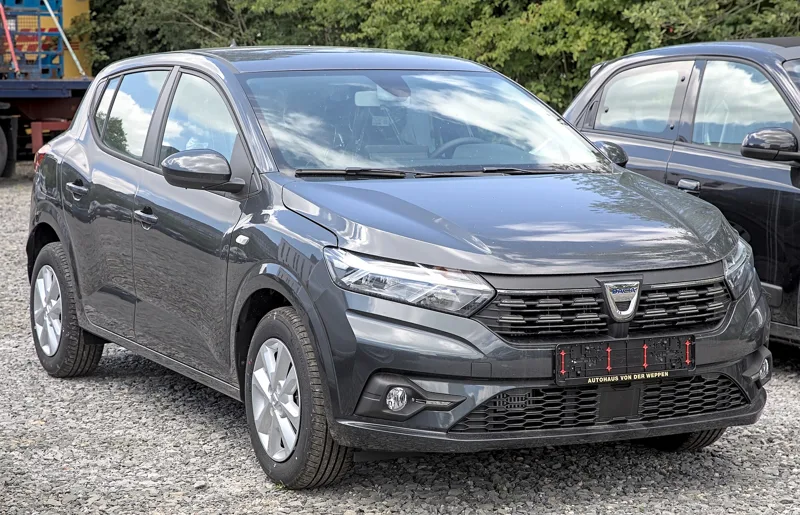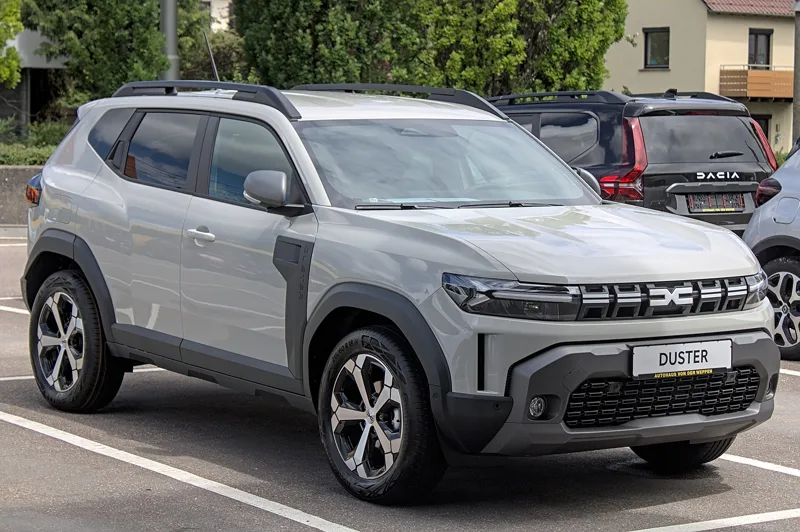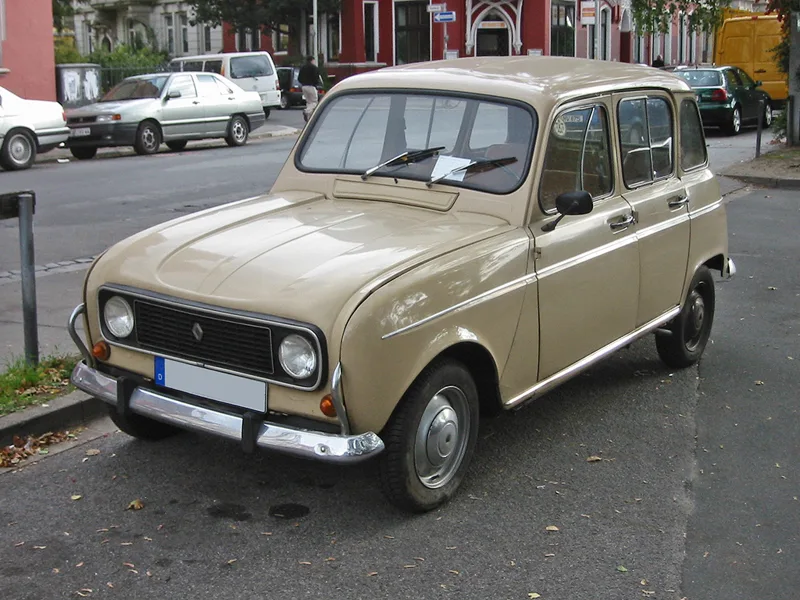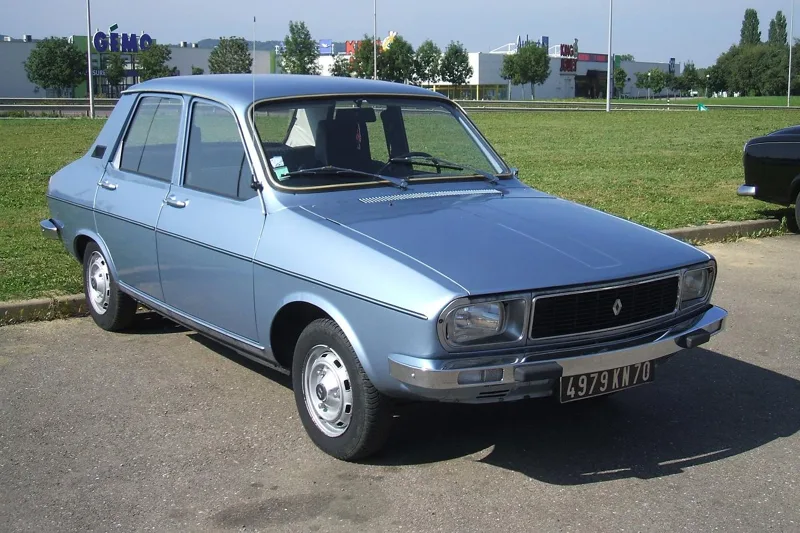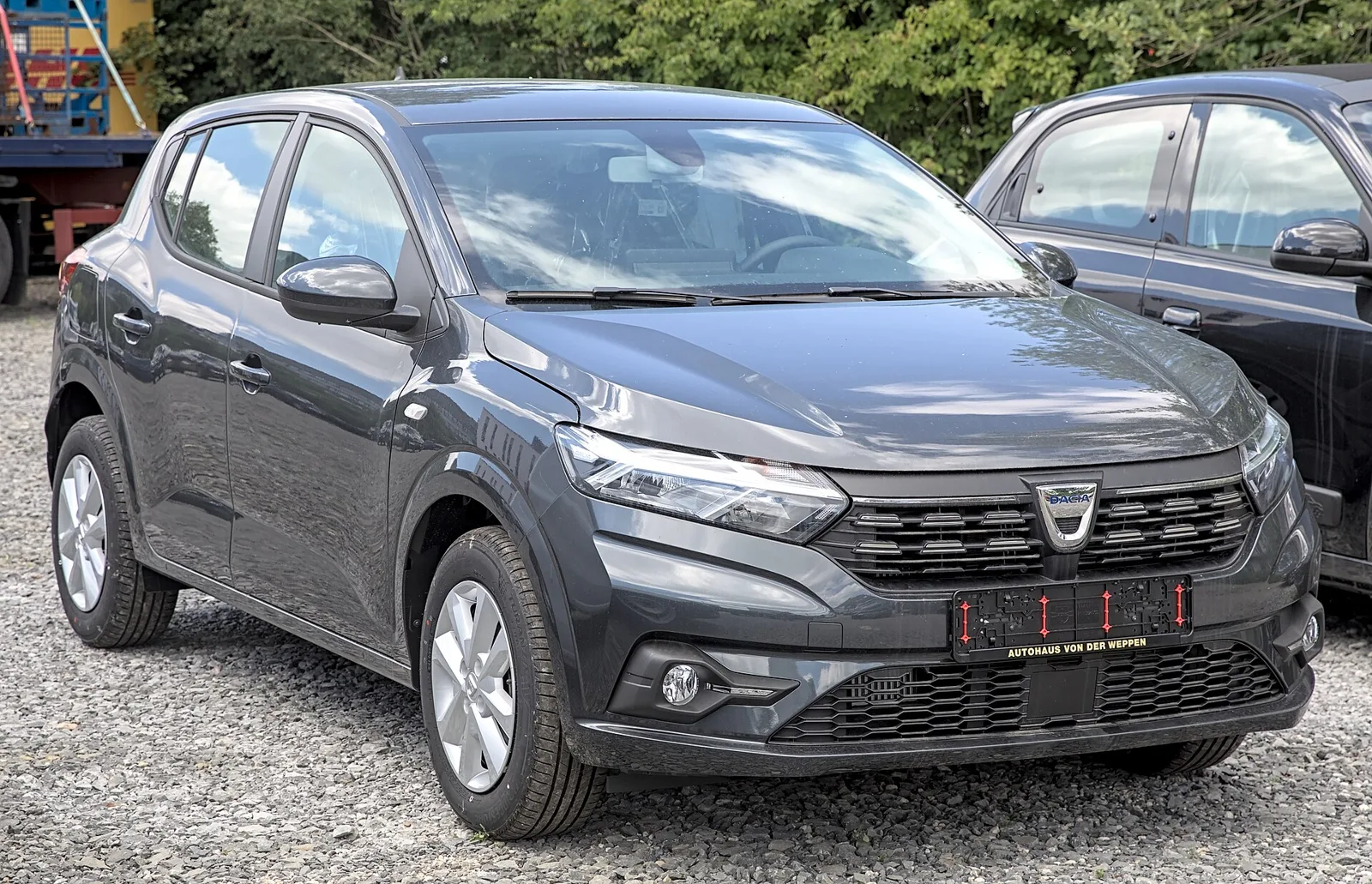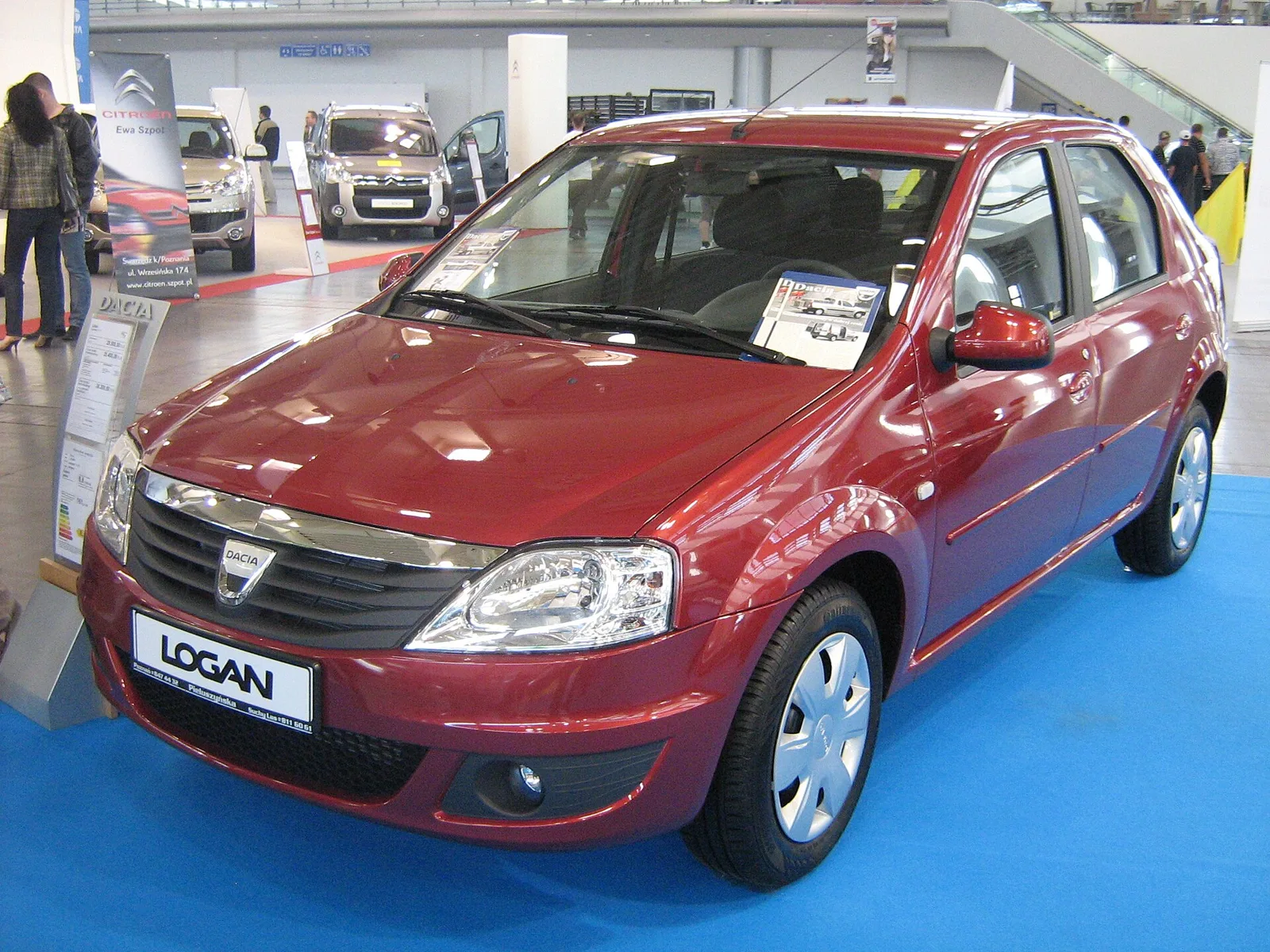
Built on a cost-first platform by Renault and Dacia, the Logan grew into sedans, estates, vans and pick-ups sold across several continents.
The Dacia Logan is a budget family car from Renault and Dacia. It was produced as a station wagon and a pick-up as well as a saloon, and over 4 million were sold worldwide by 2018. A third generation arrived in 2020, keeping the same value-first approach.
The Dacia Logan began life as a deliberately simple car and grew into one of the most widely sold budget families on the market. Built by Renault and its Romanian subsidiary Dacia, it appeared in several body styles across several continents. This guide explains how the Logan was designed, how its generations developed and why it sold so widely.
Its story is also a lesson in restraint. The car did not chase novelty. It delivered space, durability and low running costs, and that combination kept it in demand in markets far apart from one another.
Where did the Dacia Logan come from?
The Logan is a family of cars produced by Renault and Dacia since mid-2004. It succeeded the Dacia 1310 and Dacia Solenza. Its development came from the X90 project, announced by Renault in 1999, after the French maker bought Dacia that same year.
The first Logan was designed at Renault's Technocentre near Paris. From the outset it was conceived as an affordable car, with many features simplified to keep costs down and make repair easier for owners.
The price gap was the thinking behind the car. Ladas at 6,000 euros sold well, while Renaults at 12,000 euros did not, and the Logan was meant to close that gap for buyers who had little money to spend.
A car designed to be cheap to buy and easy to fix, the Logan became a global family car by staying simple.
How did the Logan reach Western Europe?
The Logan officially launched in June 2004 and began marketing in September 2004. Western European buyers could get it from June 2005, starting at around 7,500 euros. That price sat above the original eastern version, but it still undercut most rivals.
The car was an unexpected success in the west, where buyers wanted an inexpensive, no-frills car they could repair themselves. That appetite for simple motoring carried the model through its early years on sale.
The Dacia New Logan facelift was announced on 1 July 2008. It brought a more modern design and a more comfortable interior, while keeping the basic engineering that had made the car affordable in the first place.
What design choices kept the Logan's costs down?
The Logan was built on the Dacia B0 platform, which it shared with other Renault and Nissan models. It had 50% fewer parts than a high-end Renault and a limited number of electronic devices, which made it cheaper to produce and to repair.
Small touches added up across the car. The rear-view mirrors were symmetrical and could be used on either side, and the dashboard was a single moulded piece rather than an assembly of many parts.
Engineers also designed for rough roads. The chassis sits higher to handle dirt roads and potholes, and the engine was prepared to handle lower quality fuel, which suited markets with less developed infrastructure.
Which engines did the Logan offer?
Early Logans used a 1.6-litre petrol engine from Preference trim upward, along with a 1.5-litre diesel introduced in September 2005. A stronger diesel rated 85 hp (63 kW) arrived in 2007. A 1.2-litre 16-valve petrol followed in June 2009 with 75 hp (55 kW) and 107 N m (79 lb ft) of torque.
Prestige trim used a new 1.6-litre 16-valve petrol with 105 hp (77 kW), and diesel power had risen to 70 hp across the range. Each step gave the range a little more performance without changing its basic character.
All engines met Euro 4 standard from January 2007. That change brought the whole range in line with the tighter emissions rules of the period, which mattered for export markets as much as for home sales.
Trims, safety and early ratings
Romania launched the car with Ambiance, Preference, Laureate and Ambition trims. Ambiance had a driver airbag and electric door locks, while Laureate Plus was added in January 2006 to fill the gap above it.
The Prestige trim arrived in September 2006 as the new top of the range. Its extra equipment reflected the way the Logan was moving upmarket while keeping a value-first price point.
The car earned a three-star Euro NCAP rating in June 2005. Later facelifted versions carried Bosch 8.1 ABS with EBD and EBA, which gave the car a more modern braking setup for buyers who cared about active safety.
How many countries built the Logan?
The Logan was built in nine production and operational assembly centres. Dacia's Mioveni plant in Romania was the original home of the car, and partner plants and licensees took it to other markets.
Production began with a sedan, followed by a wagon in September 2006. The Logan Van and the Pick-Up followed, and the Pick-Up was discontinued in July 2012.
Dacia sales for 2006 were over 1.5 billion euros, up 19.6% on 2005. Annual production had reached almost 250,000 cars, with half of them destined for export, and by June 2010 Dacia had produced 300,000 Logan MCVs.
The MCV, Van and Pick-Up variants
The Logan MCV, launched at the 2006 Paris Motor Show, was the estate version. Its luggage space ran from 200 to 2,350 litres depending on how many seats were folded, which made it practical for families and tradespeople alike.
The Logan Van went on to build over 53,000 units. Its panel body suited small businesses, and the same basic design later continued in Russia as the Lada Largus, built by AvtoVAZ from 2012.
The Logan Pick-Up was sold in South Africa as the Nissan NP200. That version shows how the platform crossed brand lines to reach new buyers in different parts of the world, often with local adaptations.
How did the Logan perform in motorsport?
Motorsport was a niche for the Logan, but it found a home in Romania. The Cupa Dacia class has run for Logans since 2007, and the class is widely used by rookies starting their careers.
An Ollis Garage Racing Logan entered the Nurburgring Langstrecken-Serie in 2021. The original car was destroyed in a 2023 collision at the 24 Hours of Nurburgring, but it returned in 2024 with a new body and a turbocharged engine.
What awards did the Logan win?
The Logan won Autobest 2005 as the official best car of the year, chosen by a jury from fifteen countries. Its praise continued in Brazil, where it took the Melhor Carro do Ano 2013 trophy from Motor Press.
The Logan also won the Top Car TV Award on 9 December 2013 and the fifteenth Best Compact trophy from the Abioto trade press organisation, a result that reflected strong support across the Brazilian market.
What is the third-generation Logan?
The third-generation Logan launched on 29 September 2020 alongside the new Sandero III. It is 36 mm (1.4 in) longer than its predecessor, and it sits on a shared modular platform with the new Sandero.
A rebadged version, the Renault Taliant, appeared in May 2021. Its arrival showed how the Logan platform could be sold under more than one badge, depending on the market and the brand that wanted it.
What are the Dacia Logan specifications?
The table covers the main figures across the generations and variants, from the June 2004 launch to the 2020 third generation. Each row names the variant or era it describes, so the older petrol and diesel details stay separate from the newer models.
| Specification | Detail |
|---|---|
| Launch | June 2004 |
| Platform | Dacia B0 |
| Assembly | Nine production and operational assembly centres |
| Sales | Over 4 million worldwide as of 2018 |
| Euro NCAP | 3 stars (June 2005) |
| Engines | 1.2 16-valve petrol; 1.5 diesel; 1.6 16-valve petrol |
| Top petrol output | 105 hp (77 kW), 1.6 16-valve Prestige |
| Third generation | Launched 29 September 2020 |
The table shows a range that grew steadily in engine choice and trim depth without changing its core layout. That consistency is part of why the Logan was easy for owners and workshops to understand.
Why did the Logan sell so widely?
The Logan sold widely because it combined low prices with real practicality. Its roomy body, simple mechanics and cheap repairs gave buyers in very different markets a reason to choose it over more expensive rivals, and a reputation for dependability that French magazine surveys helped build.
Demand was strongest where incomes were modest and buyers valued space over prestige. The MCV estate was useful to families who needed extra room at a modest price, and it sat comfortably beside the sedan in the same showroom.
The sales figures underline the point. Over 4 million cars by 2018 is a sign of a product that matched what its buyers needed rather than what the market was told to want.
How has the Logan been adapted for other markets?
The Logan was adapted for many markets through local partners and changed names. In India it was the Mahindra Verito, in Iran the Renault Tondar 90 and in South Africa the Nissan NP200 pick-up. Each version kept the core car but adjusted trim, engines or badging.
Local adaptation is a big part of the Logan story. Engineers could change suspension tuning, engines and trim without abandoning the platform, which kept costs down in every market the car entered.
Some adaptations went further. The Lada Largus and the Renault Tondar Pick-Up show how far the same architecture could stretch into different body styles, and each one reflected the needs of its own buyers.
How did the second-generation Logan differ?
The second-generation Logan went on sale in Romania in November 2012 with a new three-cylinder turbocharged petrol engine. It shared its front end with the second-generation Sandero, and the cabin was significantly revised, which gave the car a more modern feel that kept the family look.
The new car kept the practical core that had made the first Logan successful. Its engine line-up widened and was updated to meet tighter emissions rules, so the range stayed relevant in several markets.
A later facelift brought new headlights, a revised grille and a refreshed interior. Those changes kept the second generation competitive while its successor was being developed.
Its second life in other markets, from the Lada Largus in Russia to the Renault Logan sold in Brazil, showed how adaptable the design remained across very different buyers.
The Logan's story is one of steady, unglamorous success. It sold because it did its job well, and that quiet competence is the thread that runs through every generation.
Frequently asked questions
How many Logans have been sold?
Dacia reported over 4 million sales worldwide as of 2018. By March 2009, more than 1.3 million Logan-platform vehicles had been sold.
Was the Logan sold under other names?
Yes. In India it was sold as the Mahindra Verito, and in Iran as the Renault Tondar 90. The name changed with the market and the brand present there.
When did the Mahindra Verito end production?
Production of the Mahindra Verito was shut down on 31 December 2019, after an electric version had been sold from 2016.
What was the Renault Taliant?
The Renault Taliant was a rebadged third-generation Logan that was revealed in May 2021 and sold in a limited number of markets.