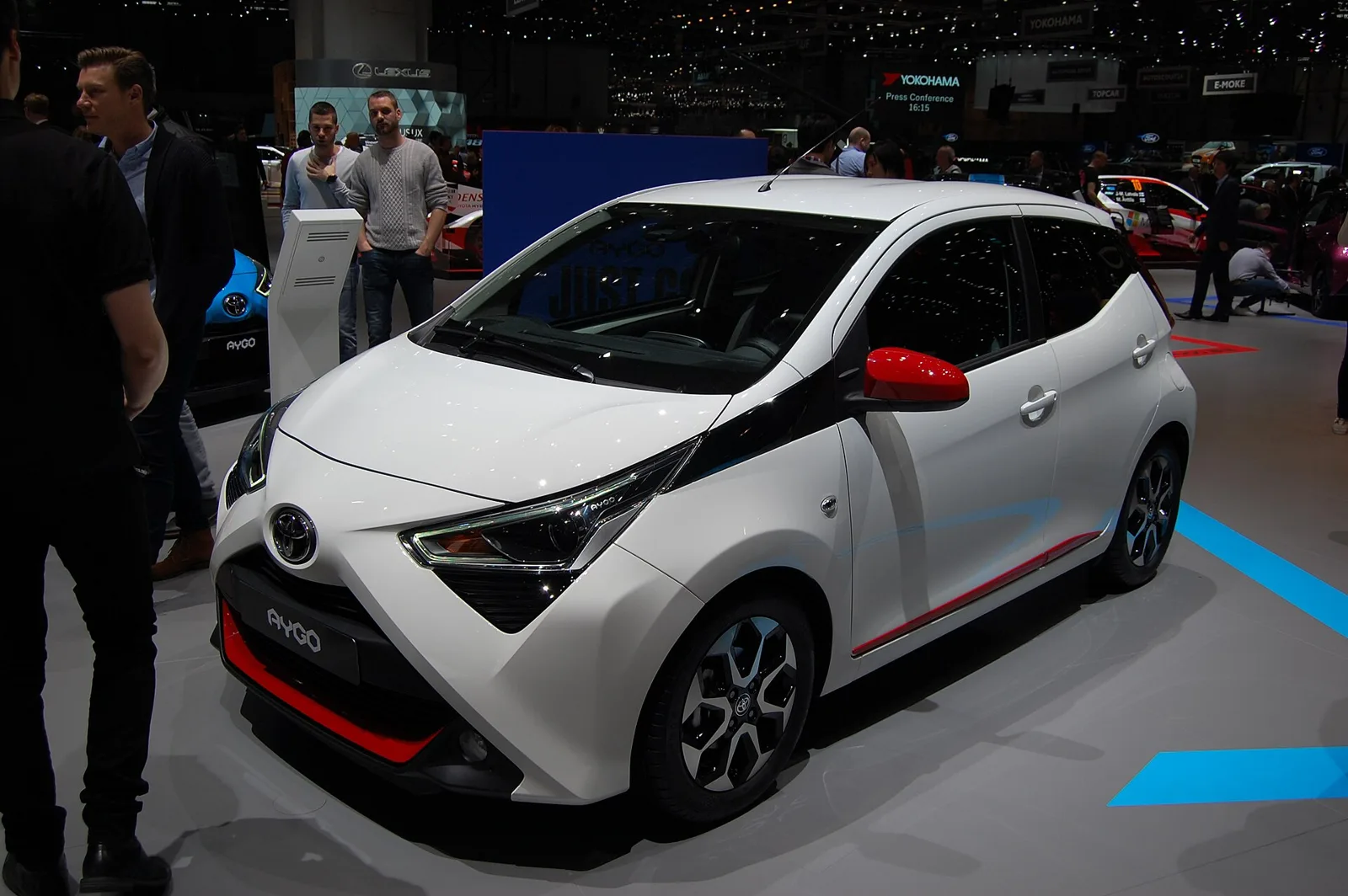
A small Toyota built with Citroen and Peugeot in the Czech Republic, which grew into a crossover-styled third generation in 2022.
Built with Citroen and Peugeot at a Czech joint venture plant, the Aygo was produced in three generations. The second arrived in 2014, and the crossover-styled Aygo X replaced the original in 2022. The car was sold mainly in Europe and became one of the brand's best-known city cars.
The Toyota Aygo was a city car that Toyota sold mainly in Europe from 2005. It was built alongside the Citroen C1 and Peugeot 107 in a shared project, and it evolved through three generations before the crossover-styled Aygo X took over. This profile covers its origins, design, engines and the many special editions along the way.
The Aygo's story shows how a small car can take on very different personalities over time, from a basic first generation to a playful second and a crossover-styled third.
What is the Toyota Aygo?
The Toyota Aygo is an A-segment city car that Toyota marketed mainly in Europe. It was first displayed at the 2005 Geneva International Motor Show, and sales began in July 2005 as a three- or five-door hatchback. It was later replaced by the crossover-styled Aygo X.
The name comes from i-go, a word meant to symbolise freedom and mobility. It suited a car designed for crowded cities, where a small, easy-to-park hatchback has the most practical appeal.
Production was planned around a shared target. The partners expected 300,000 cars a year, with 100,000 for each brand, a goal that shaped how the car was built and priced.
A city car born from a shared project, the Aygo spent three generations moving from basic hatchback to crossover.
How did the B-Zero project begin?
The decision was made on 12 July 2001 by the presidents of Toyota and PSA Peugeot Citroen, who agreed to build a small car to share development costs. The project was called B-Zero, and it became the foundation for three closely related cars.
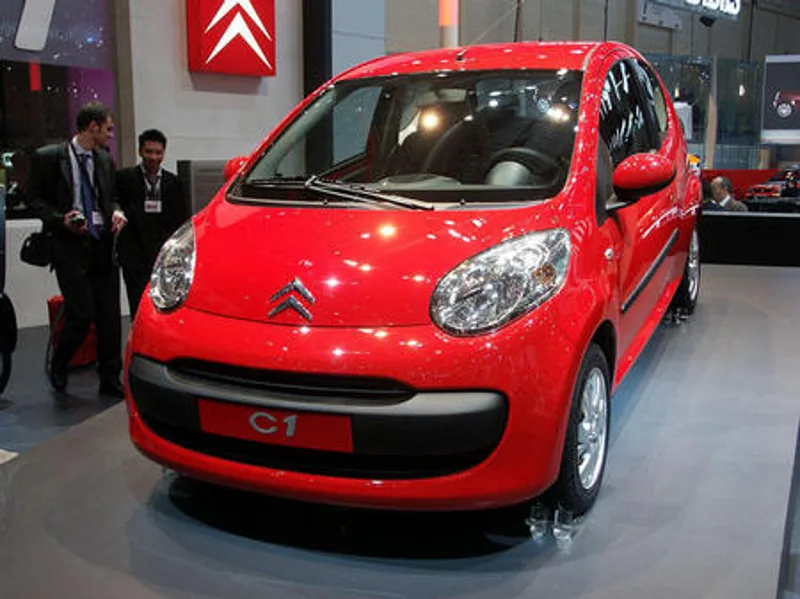
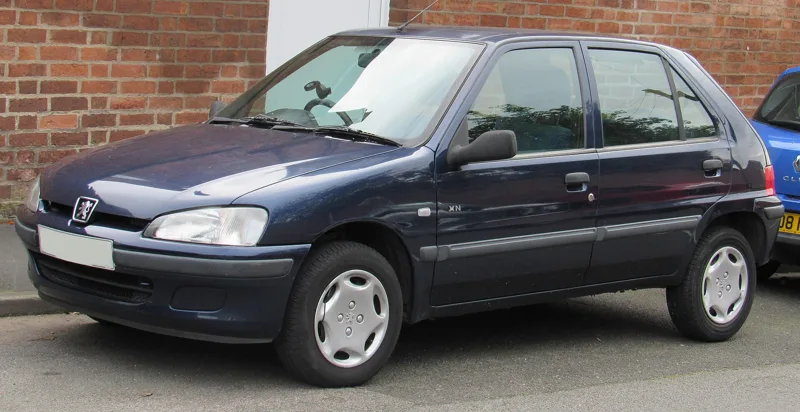
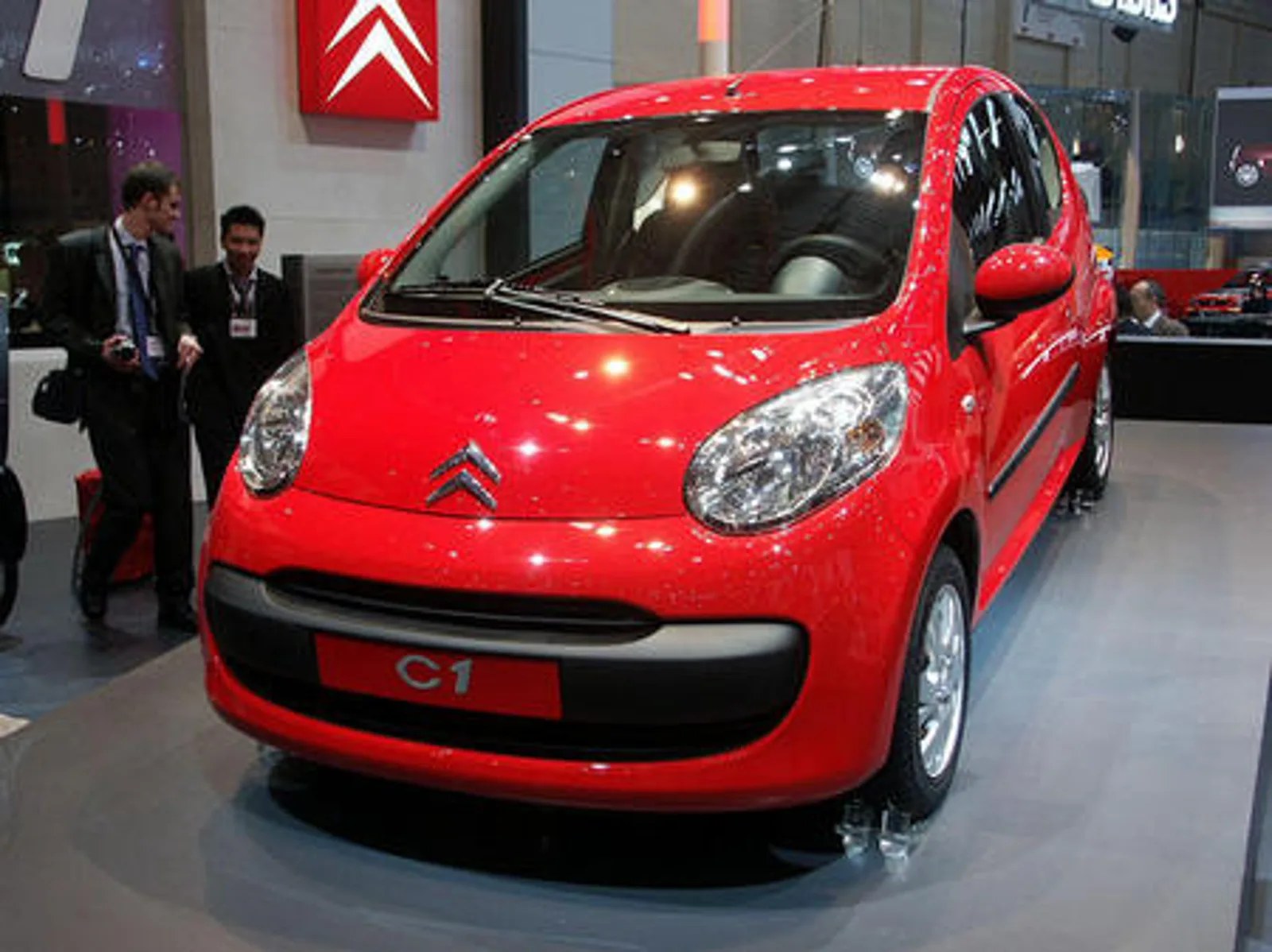
The Aygo was built with the Citroen C1 and Peugeot 107 at the TPCA joint venture in Kolin, Czech Republic. Its main differences were the badging, the rear side windows, the steering wheel and the front and rear treatments.
Those differences were enough for each brand to keep its own identity while sharing the engineering base. That is why the three cars are often compared on the same specification sheet.
Which engines did the first Aygo use?
The launch Aygo had two engines: a 1.0-litre three-cylinder petrol rated 68 PS (50 kW), and a 1.4 L turbo-diesel four-cylinder rated 54 PS (40 kW). Both were chosen to keep the car cheap to run in city traffic.
A revised clutch was fitted from the 2009 facelift onward. That facelift also replaced the front bumper and changed the rear lights to a transparent look, which refreshed the car's appearance without altering its basic layout.
A second facelift in 2012 added a more angular bumper with daytime running lights, giving the car a sharper, more modern front. Each update kept the first-generation car competitive in a crowded segment.
What first-generation editions and trims were offered?
The first-generation range was packed with special editions. The Aygo Blue of 2007 came in lagoon blue, and the Aygo ckIN2U of the same year was made in collaboration with Calvin Klein.
Other editions followed. The Aygo Cool Blue of 2008 came in slate blue, the Aygo Platinum and Aygo Team both arrived in 2008, and the Aygo Plus had launched in 2006.
Sport and Mode versions also appeared. The Aygo Sport launched in 2006, and the Aygo Mode with air conditioning arrived in 2013, giving buyers a sportier or better-equipped option within the same body.
What was the Aygo Crazy?
The Aygo Crazy was a one-off concept from 2008 with a mid-engine, rear-wheel-drive layout. It used a 1.8 litre 1ZZ-FE engine from the MR2, fitted with a Toyota Motorsport turbocharger conversion, and produced 147 kW (197 bhp) at 6,700 rpm.
The car weighed 1,050 kg (2,315 lb) and reached 100 km/h from rest in 5.75 seconds. Its top speed of 204 km/h (127 mph) was a theoretical figure, since it was never tested.
Toyota's conversion added a Brembo front brake setup with 328 mm discs, a partial roll cage and Sparco seats. The company said the car cost 100,000 pounds to build, which made it a costly showcase rather than a production plan.
What changed in the second generation?
Toyota revealed the completely redesigned Aygo at the March 2014 Geneva International Motor Show. The design drew on the Astro Boy character and an egg in a box, a playful approach that set the car apart from its predecessor.
Production began on 27 May 2014. The new car was aimed at younger drivers and offered many ways to personalise it, a clear shift from the more conventional first generation.
The range was split into many trims, from the base x to the x-pression and special editions such as the JBL Edition with a 160mm subwoofer. The limited x-claim was made in only 350 models and offered a more distinctive look.
The 2018 refresh brought a new front bumper, headlights, tail lights and engine. Safety equipment included six airbags and stability control, which reflected the rising expectations of the period.
Was the Aygo recalled?
Yes. In January 2010 Toyota recalled the Aygo, the Peugeot 107 and the Citroen C1 over a sticking accelerator pedal. The recall covered cars built between February 2005 and August 2009, and Toyota later suggested that only automatic Aygos were affected.
The accelerator issue could leave the pedal partially pressed or slow to return to the off position. Toyota addressed the problem through a worldwide recall that covered several models sharing the same engineering.
How did the Aygo appear in the media?
The Aygo appeared on BBC's Top Gear in a giant football match, where the presenters praised it as a competent town car. Fifth Gear also used a modified Aygo for a 12 metre high loop-the-loop stunt.
Stuntman Steve Truglia drove the loop in May 2009, testing whether a stunt from Hot Wheels toys could be repeated in real life. The result was a memorable piece of television that showed the car's small size and handling.
Enthusiasts also remember the car's reliability reputation. German club data from May 2010 placed the Aygo top of the sub small car class for low breakdown rates, which helped its image with practical buyers.
What is the third-generation Aygo X?
The third-generation Aygo was produced from March 2022 as the Toyota Aygo X, which adopted crossover-oriented styling. It was previewed by the Aygo X prologue concept in March 2021, and the new car marked a clear break from the hatchback era.
It sits on a shortened version of the GA-B platform and no longer has Peugeot or Citroen counterparts, because the PSA Group pulled out of the joint project. The Aygo X therefore stands on its own rather than as part of a three-car family.
The BYD F0 was an unlicensed Chinese clone of the Aygo, built from 2008 to 2015 and again from 2019 to 2020. Its existence shows how far the original design travelled beyond its maker's own showrooms.
What are the Toyota Aygo specifications?
The table gathers the key figures across the three generations and the Aygo Crazy concept. Each row names the generation, engine or concept it describes, so the first-generation launch engines and the concept car's figures stay apart.
| Specification | Detail |
|---|---|
| Sales start | July 2005 |
| Generations | Three: AB10/AB20/AB30 (2005), AB40 (2014), AB70 (2022) |
| Launch engine | 1.0-litre three-cylinder, 68 PS (50 kW) |
| Turbo-diesel | 1.4 L four-cylinder, 54 PS (40 kW) |
| Second generation | AB40, revealed March 2014; production from 27 May 2014 |
| Aygo Crazy engine | 1.8 litre 1ZZ-FE, 147 kW (197 bhp) at 6,700 rpm |
| Aygo Crazy weight | 1,050 kg (2,315 lb) |
| Aygo Crazy 0-100 km/h | 5.75 seconds |
| Factory | TPCA, Kolin, Czech Republic |
| Recall | January 2010, accelerator pedal |
| Third generation | Aygo X, from March 2022 |
The figures show a car that started as a simple, frugal city hatchback and became progressively more characterful. The engineering base stayed compact, while the trims and styling did most of the changing.
Why did the Aygo suit city buyers so well?
The Aygo suited city buyers who wanted low running costs, easy parking and a modest purchase price. Its small footprint and simple engines made it a sensible second car for a household or a first car for a new driver in crowded towns.
Its appeal also rested on the family resemblance to the C1 and 107, which gave buyers a familiar set of engines and a shared sense of build. Owners often valued that predictability more than a flashy specification sheet.
The second generation pushed the idea further by aiming at younger buyers. Personalisation became a theme, with the idea that a small car could feel like a fashion item without losing the practicality of a city hatchback.
How did special editions shape the Aygo's image?
Special editions gave the Aygo a range of personalities, from the lagoon blue of the first Aygo Blue to the privacy-glass look of the x-pure. Each edition changed colour, trim or sound, so buyers could find a version that suited their taste without changing the car underneath.
Colour was the most visible change. The slate blue of the 2008 Cool Blue and the Pure White finish of the x-pure gave owners very different impressions of the same hatchback.
Audio and equipment mattered too. The JBL Edition added a stereo system and a 160mm subwoofer, which turned a city runabout into something with a surprisingly strong sound.
Over time these small differences built a loyal following for particular editions, even when the core car remained much the same underneath.
Life after the original Aygo
The Aygo's production ended in 2021, and the car was replaced by the Aygo X in 2022. The change marked the end of an era for a small hatchback that had sold steadily through three generations.
The third generation's crossover styling reflected a broader shift in the market, where tall, practical small cars grew more popular. Buyers who had liked the compact hatchback had to adjust to a different shape and a different character.
For enthusiasts, the first-generation Aygo remains a reference point for simple city motoring, and its special editions are now collectable reminders of a period when small cars were all about personality.
Owners who kept the car for years often valued how little it asked of them, from routine servicing to daily parking. That quiet dependability is a large part of why small hatchbacks like this one earned loyal followers.
The Aygo's history also shows how a shared project can produce distinct cars. Each brand used the same basic architecture, yet the finished cars came across as individual machines with their own personalities.
Frequently asked questions
Where was the Aygo made?
Production took place at the Kolin plant in the Czech Republic, shared with the C1 and 107.
What does the name Aygo come from?
The name comes from i-go, a play on the idea of freedom and mobility.
Did a cheaper clone of the Aygo exist?
Yes. The Chinese maker BYD produced an unlicensed clone, the F0, between 2008 and 2015 and again from 2019 to 2020.
Why did the Aygo X replace the Aygo?
The third generation took on crossover styling and a new platform, and it no longer shares a body with the C1 or 107.