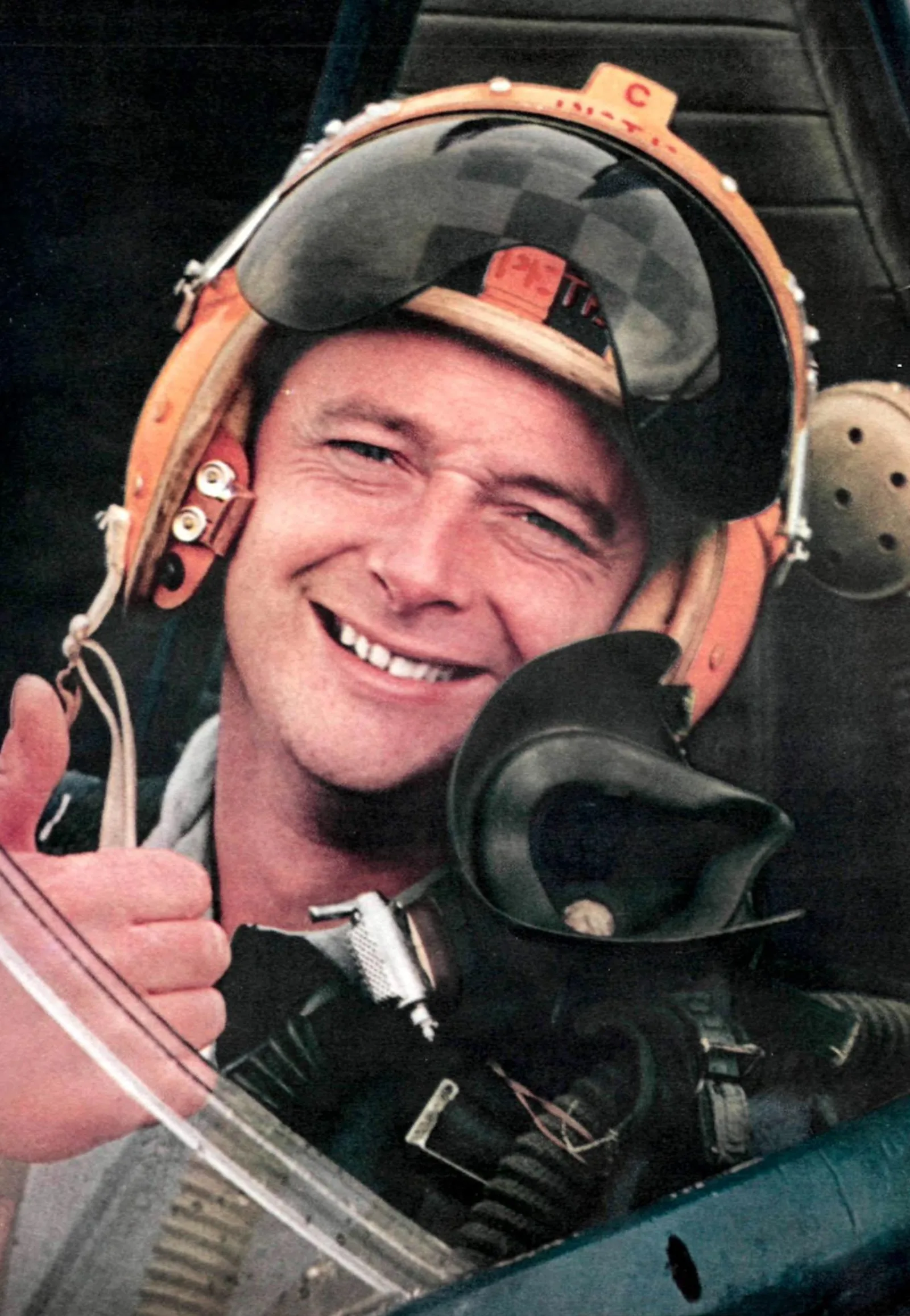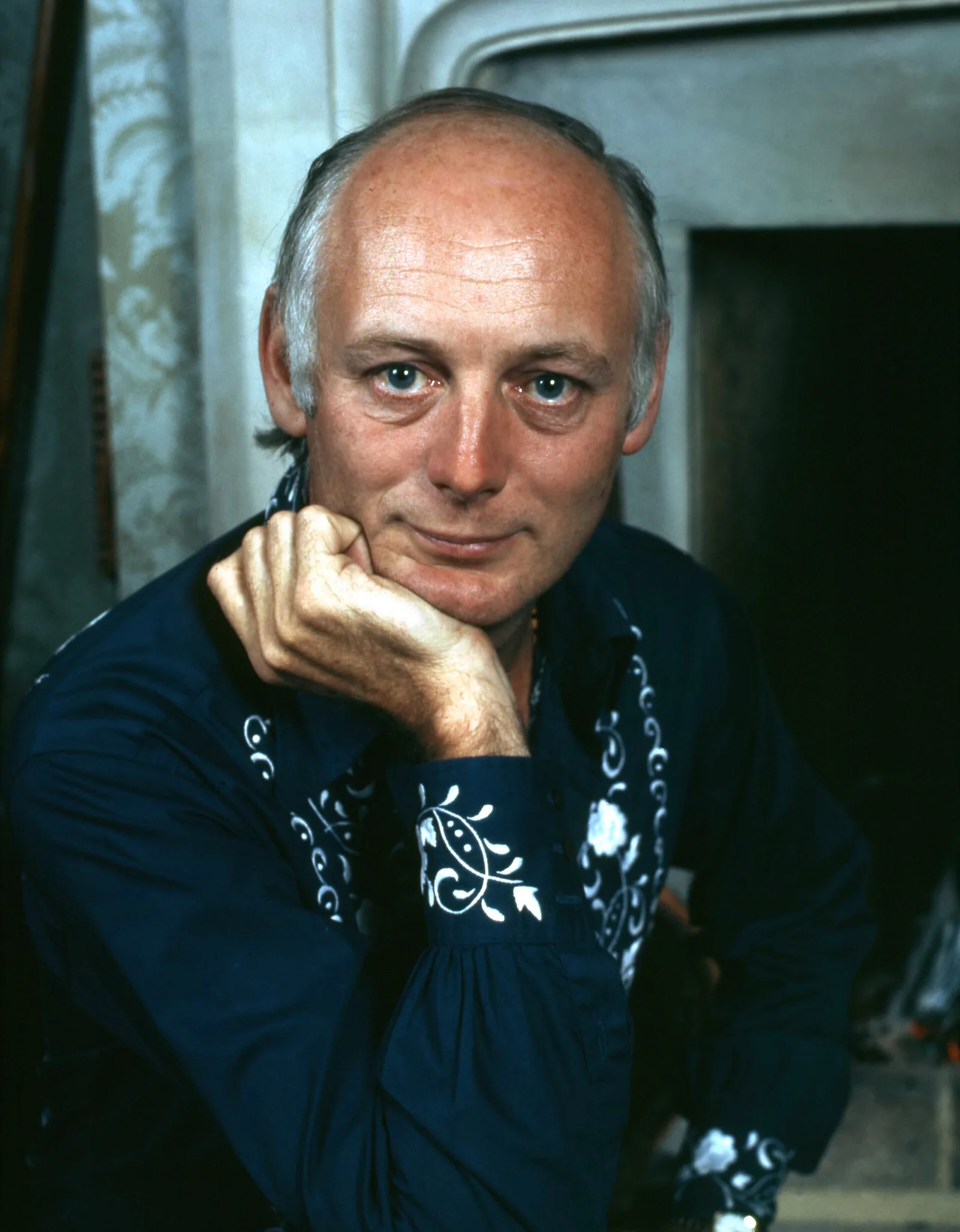
A tribute to a motoring pioneer father, a 1972 opening by the Duke of Kent and a lease that is now nearing the end of its 60-year term.
The National Motor Museum at Beaulieu in Hampshire was founded in 1952 by Lord Montagu of Beaulieu as a tribute to his father, a motoring pioneer. It began with five cars at Palace House, moved into a purpose-built building in 1972 and now cares for more than 1.9 million items.
In August 2026 the trustees of Britain's National Motor Museum said they had begun looking for a new home, because the lease at Beaulieu is approaching the end of its 60-year term. It began in 1952 with five cars in the front hall of a Hampshire stately home, a peer's tribute to his father.
How did the National Motor Museum begin?
The 3rd Baron Montagu of Beaulieu founded it in 1952 as a tribute to his father, John, the 2nd Baron. Originally named the Montagu Motor Museum, it began with five cars and a small collection of motoring memorabilia in the front hall of the family home, Palace House, in the village of Beaulieu in the New Forest, Hampshire.
John Douglas-Scott-Montagu was an early British motorist. He is recorded as the first person to bring a car into Parliament's yard, and in the 1890s he gave the Prince of Wales, the future King Edward VII, his first taste of motoring.
The little display proved so popular that the collection quickly outgrew the hall and moved into wooden sheds in the grounds. By 1959 attendance had reached 296,909, and by 1964 the annual figure passed half a million.
From five cars in a hall to more than 1.9 million items, the museum Lord Montagu built for his father is now looking for a new home.
Who was Lord Montagu of Beaulieu?
Edward Douglas-Scott-Montagu was born in London on 20 October 1926 and died on 31 August 2015. A British aristocrat and Conservative politician, he is best known for founding the museum. The barony passed to him in 1929, when he was two and his father died of pneumonia, and he kept the peerage for 86 years and 155 days, the third longest of any British title-holder. His mother, Alice Crake, was his father's second wife.
He was educated at St Peter's Court in Broadstairs, Ridley College in Canada, Eton and New College, Oxford. After the war in Europe ended in 1945 he was called up for National Service, commissioned in the Grenadier Guards and posted to Palestine with the 3rd Battalion from 1945 to 1947. He came of age in 1948 and entered the Lords at once. He left Oxford without a degree after his rooms were wrecked in a fight between the Bullingdon Club, of which he was a member, and the university's dramatic society.
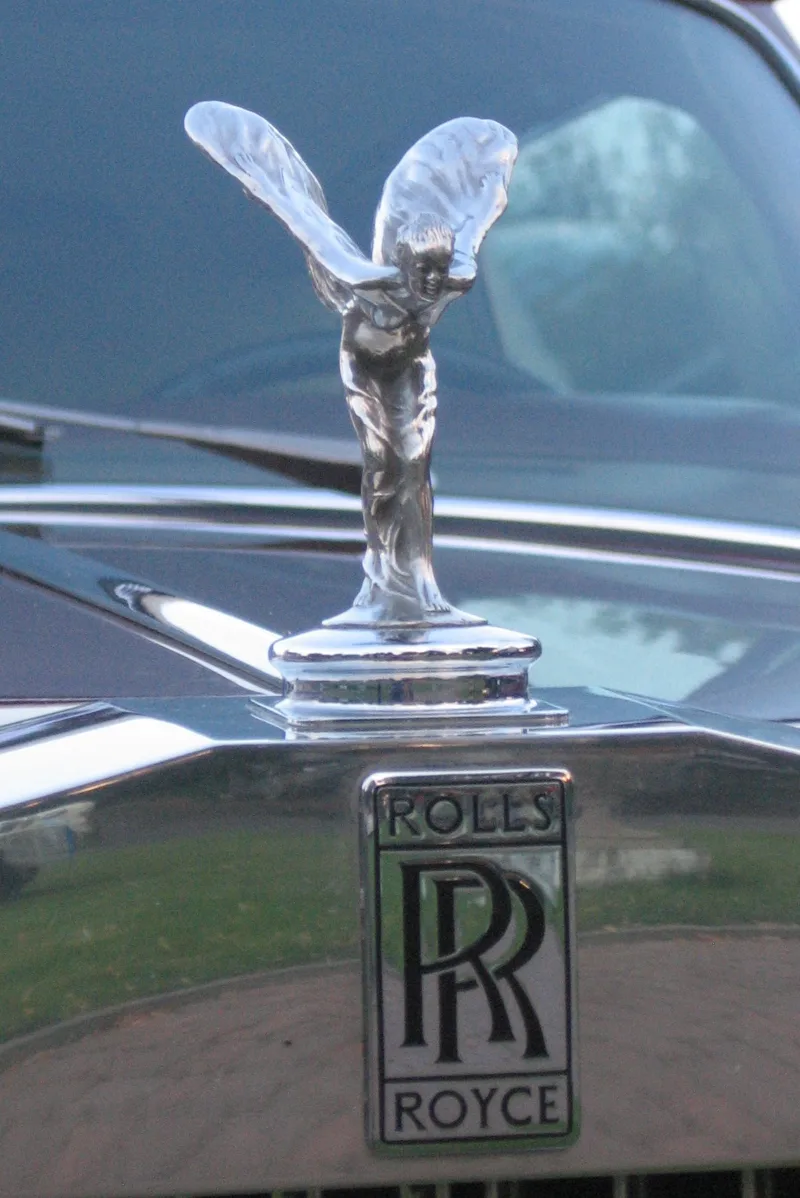
His enthusiasm for cars was inherited. His father had ordered the very first Spirit of Ecstasy for the family Rolls-Royce, and together with the family's historic cars that interest led him to open the museum at Beaulieu in 1952.
How did the collection become the National Motor Museum?
The decision to build a proper museum came in 1964, once annual attendance had passed half a million. The architect Sir Hugh Casson chaired the committee that guided the design. Leonard Manasseh won the commission, though his partner Ian Baker did most of the work on the building itself.
The Duke of Kent opened the new building in the parkland around Palace House on 4 July 1972, when the collection exceeded 300 exhibits. The name changed to National Motor Museum, marking its shift from a private hobby to a charity and echoing Lord Montagu's stated hope that Britain should have a museum worthy of its motor industry. The same week saw the British launch of the Jaguar XJ12, so the timing suited a celebration of the industry. A registered charity, the National Motor Museum Trust Ltd, now runs it.
One unusual feature of the 1972 building was a monorail that passes through its interior. The idea came from a small railway that ran through the American pavilion at Expo 67, the Montreal world's fair.
What is in the National Motor Museum today?
The museum holds around 300 vehicles built since the late 19th century, alongside motoring books, journals, photographs, films and automobilia. It is an Accredited Museum, and Arts Council England has designated its collections as nationally and internationally important. The Trust cares for more than 1.9 million items.
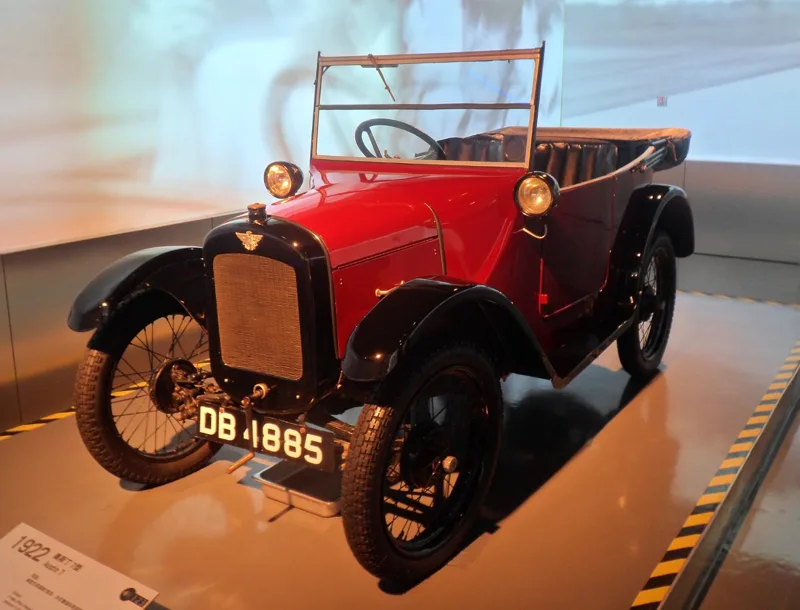
A nearby Collections Centre looks after artefacts and photographs, along with reference books and film and video archives. The vehicles range from the earliest motor carriages to family saloons, motorsport cars, motorcycles and Land Speed Record breakers. Galleries cover Formula 1 history, rally and hill-climb sports cars and a recreated 1930s garage. Streets Ahead rebuilds a street with cars, motorcycles and shop windows from the 1950s to the 1970s.
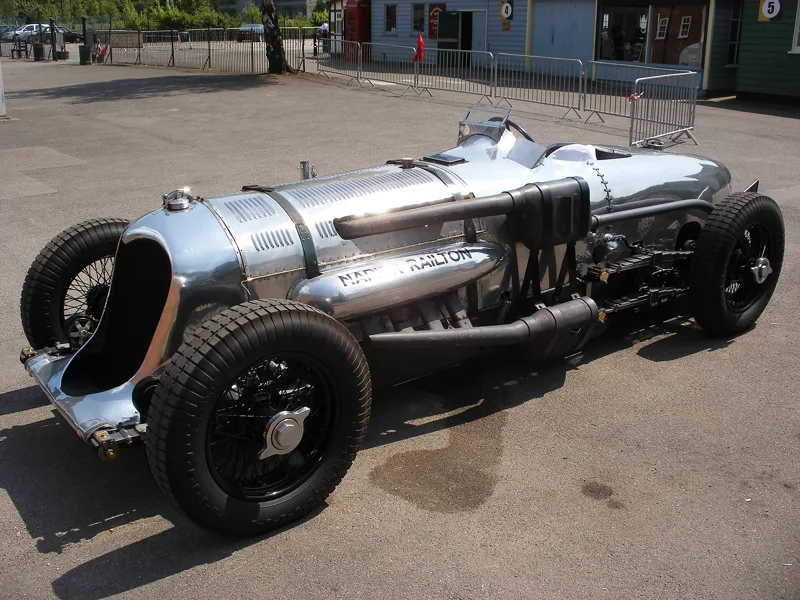
The Land Speed Record display includes Bluebird CN7, Golden Arrow and the Sunbeam 350 hp and 1000 hp. The On Screen Cars area shows Doctor Who's Bessie, Mr. Bean's lime green Mini and the Reliant Regal that Del Boy drove in Only Fools and Horses. The permanent collection includes the Jaguar XKR Convertible seen in the Bond film Die Another Day, and a Bond in Motion exhibition for No Time To Die ran in 2022.
The World of Top Gear exhibit showed vehicles and props created by the programme's presenters from June 2009 until it closed on 3 November 2024, after welcoming over five million visitors. A display of modern classics called We had one of those replaced it. In spring 2026 the museum opened Driven: Britain's Motoring Story, a 700,000 pound project with part of the money coming from the National Lottery Heritage Fund, which refreshed the entrance hall and upper gallery.
Who owns the vehicles on show?
| Vehicles | Owned by the Trust | Owned by Beaulieu Enterprises, long-term loan | Loaned by others |
|---|---|---|---|
| About 185 cars and commercial vehicles | 51% | 26% | 23% |
| About 114 motorcycles | 48% | 20% | 32% |
What is the story of the Spirit of Ecstasy at Beaulieu?
The museum keeps a set of Rolls-Royce bonnet mascots, the figure known as the Spirit of Ecstasy or Flying Lady. One piece was ordered by the 2nd Baron from his friend, the sculptor Charles Robinson Sykes, as a private mascot for his own Silver Ghost.
Sykes originally crafted the figurine from Eleanor Thornton, the Baron's secretary, shown in fluttering robes with a finger pressed to her lips. Her raised finger was meant to hint at a secret love between her and John, and the figurine was named The Whisper.
What else does a Beaulieu ticket include?
The museum is one of several attractions on the Beaulieu estate that are sold together under one name. Beaulieu Enterprises Ltd owns and manages them, leases the museum and the Collections Centre to the Trust, and passes on a share of visitor income. One ticket also covers Beaulieu Abbey, Palace House, the gardens, the monorail and the We Had One of Those display.
Another exhibit, the Secret Army Exhibition, covers training of the Special Operations Executive at Beaulieu during the Second World War. Visitors also find a veteran bus ride, a playground and a restaurant. Parts of the abbey are ruined, but some monastery buildings survive: the domus hosts events and exhibitions, while the old refectory serves the parish as its church.
What else did Lord Montagu do besides the museum?
The grounds of Palace House hosted his Beaulieu Jazz Festival from 1956 to 1961. From 1958 it attracted thousands of young people who camped out to listen and dance, making it a leading contribution to British festival culture. The 1960 festival saw a clash between modern and traditional jazz fans, known as the Battle of Beaulieu.
In 1956 he founded The Veteran And Vintage Magazine and kept developing the museum. He chaired the Historic Houses Association from 1973 to 1978, held the presidency of the Institute of Traffic Administration in 1973 and 1974, and chaired English Heritage from 1984 to 1992, appointing Jennifer Page chief executive in 1989.
When the House of Lords was reformed in 1999, he was one of 92 hereditary peers who stayed. By 2007 he was vice-commodore of the Lords' yacht club. He wrote The Gilt and the Gingerbread in 1967 and Antique Cars in 1974, along with his memoirs, Wheels Within Wheels.
Montagu married Belinda Crossley in 1958; they had a son and a daughter and divorced in 1974. In that year he married Fiona Margaret Herbert, and they had a son. His son Ralph, born on 13 March 1961, became the 4th Baron. Montagu died at the Beaulieu Estate on 31 August 2015, aged 88, after a short illness. He had given notice of his intention to retire from the Lords with effect from 17 September 2015, but died before that date.
Why is Lord Montagu also remembered for a 1950s trial?
By the mid-1950s Montagu had become one of the most notorious public figures of his generation, following a conviction and prison sentence for conspiring to incite other men to commit serious offences. He denied the charge. The same wording had been used against Oscar Wilde in 1895, and it rested on a law that stayed in force until 1967.
He was charged and sent for trial twice at Winchester Assizes. The first case, in 1953, failed to secure a conviction. He was arrested again in 1954 and imprisoned for twelve months, together with Michael Pitt-Rivers and Peter Wildeblood. Montagu always maintained his innocence. Supported by family and friends, he nonetheless became the target of endless jokes and bawdy songs.
The climate was harsh. Sir David Maxwell Fyfe, the Home Secretary, had pledged a fresh crackdown, and as many as 1,000 men were in British prisons every year for homosexual offences. Police used undercover officers, and across the Atlantic the Lavender Scare was ruining lives in the United States. Brian Sewell said in 2012 that Montagu was deeply unlucky.
Unlike the other defendants, Montagu kept protesting his innocence. The trial caused a backlash among some politicians and church leaders, which led to the Wolfenden Committee. Its 1957 report recommended decriminalising homosexual activity between two adults in private, and Parliament finally acted ten years later, in what became a huge turning point in British gay history, since buggery had been a criminal offence ever since the Buggery Act of 1533.
For nearly half a century Montagu refused to talk about the case, preferring to focus on the museum. Then, in his memoirs, Wheels Within Wheels, he gave it two chapters, saying he wanted to put the record straight. In a 2000 interview he was reduced to tears at the suggestion it was what he would chiefly be remembered for; by 2007 he said he was slightly proud that the law had changed, and he believed that the way the defendants lived afterwards, returning quietly to their lives and selling no stories, had shifted public opinion. Channel 4 covered the case in 2007 in A Very British Sex Scandal, the BBC dramatised it in 2017 as Against The Law, and Luke Korem's documentary Lord Montagu was screened at the Newport Beach and Napa Valley film festivals in 2013.
Why is the museum looking for a new home?
In August 2026 the Trust said it had begun a search for a new home for the museum, because the lease at Beaulieu is nearing the end of its 60-year term. On the other side of the negotiation, the estate company, the estate itself and the Montagu family chose not to offer a new longer lease. They said they could not provide what the Trust wanted from a future arrangement without putting the financial sustainability of Beaulieu at risk.
The Trust says it has no option but to look elsewhere, and that it will in all likelihood work with other museums that have suitable facilities for displaying car collections. No new site has been named.