From the 1996 concept cars to the electric third generation, the Berlingo has been a van for trades and families alike.
The Citroen Berlingo is a French minivan produced since 1996, sold alongside the Peugeot Partner. It is offered as a light commercial vehicle or a passenger people carrier, and it has been built in petrol, diesel, CNG and electric versions across three generations.
The Citroen Berlingo is a minivan that has been sold since 1996 under both Citroen and Peugeot badges, the Peugeot version being called the Partner. It came in commercial and passenger forms, and it has moved through three generations, with the family now spanning petrol, diesel, CNG and electric versions.
Where did the Berlingo come from?
The Berlingo was officially launched in July 1996 and shown first at the Paris Motor Show that year. It was developed by the French PSA Group, which later became part of Stellantis in 2021. Its early platform traced back to the group's own estate cars, so the van grew out of existing car engineering.
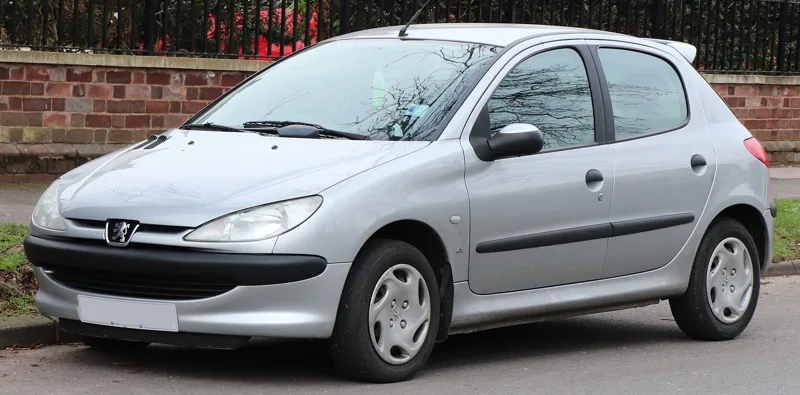
Citroen and Peugeot sold the van under their own names, and the Peugeot version is the Partner. Italy used a different name for the first generation Partner, which was known there as the Peugeot Rancher.
A box with a practical front, first shaped by 1996 concept cars and later spread across Opel, Toyota and Fiat badges.
What concept cars came with the 1996 launch?
When the Berlingo first appeared at the 1996 Paris show, three concept cars appeared alongside it: the Coupe de Plage, the Berline Bulle and the Grand Large. Only the Grand Large went into development, and it became the base for the Multispace and Combi people carriers.
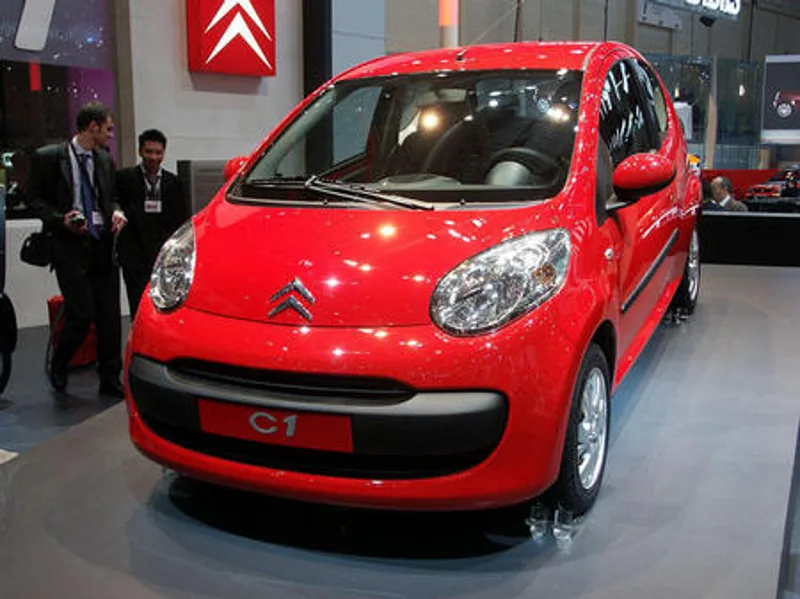
The Berline Bulle was a roomy small car, and it is considered a precursor to the Citroen C3. Neither the Berline Bulle nor the Coupe de Plage was developed further, which is why the production story runs through the Grand Large.
The move from show car to people carrier is the clearest link between the 1996 concepts and the vans that followed.
How was the first generation built?
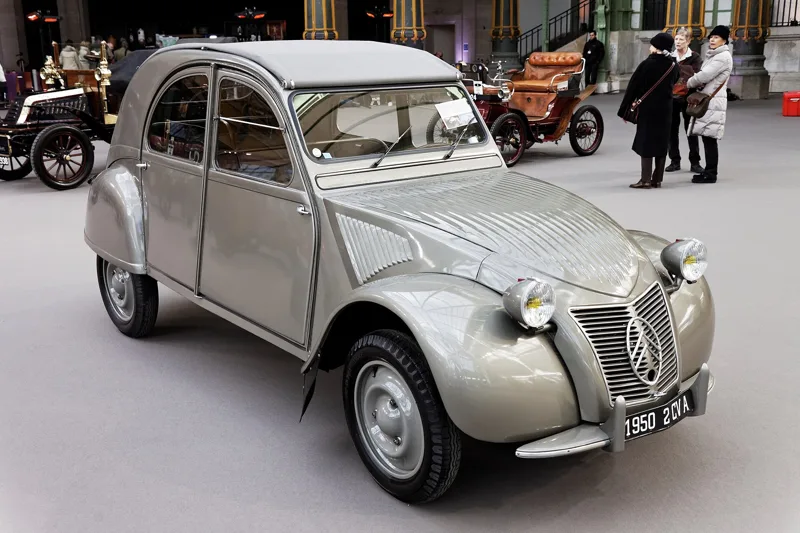
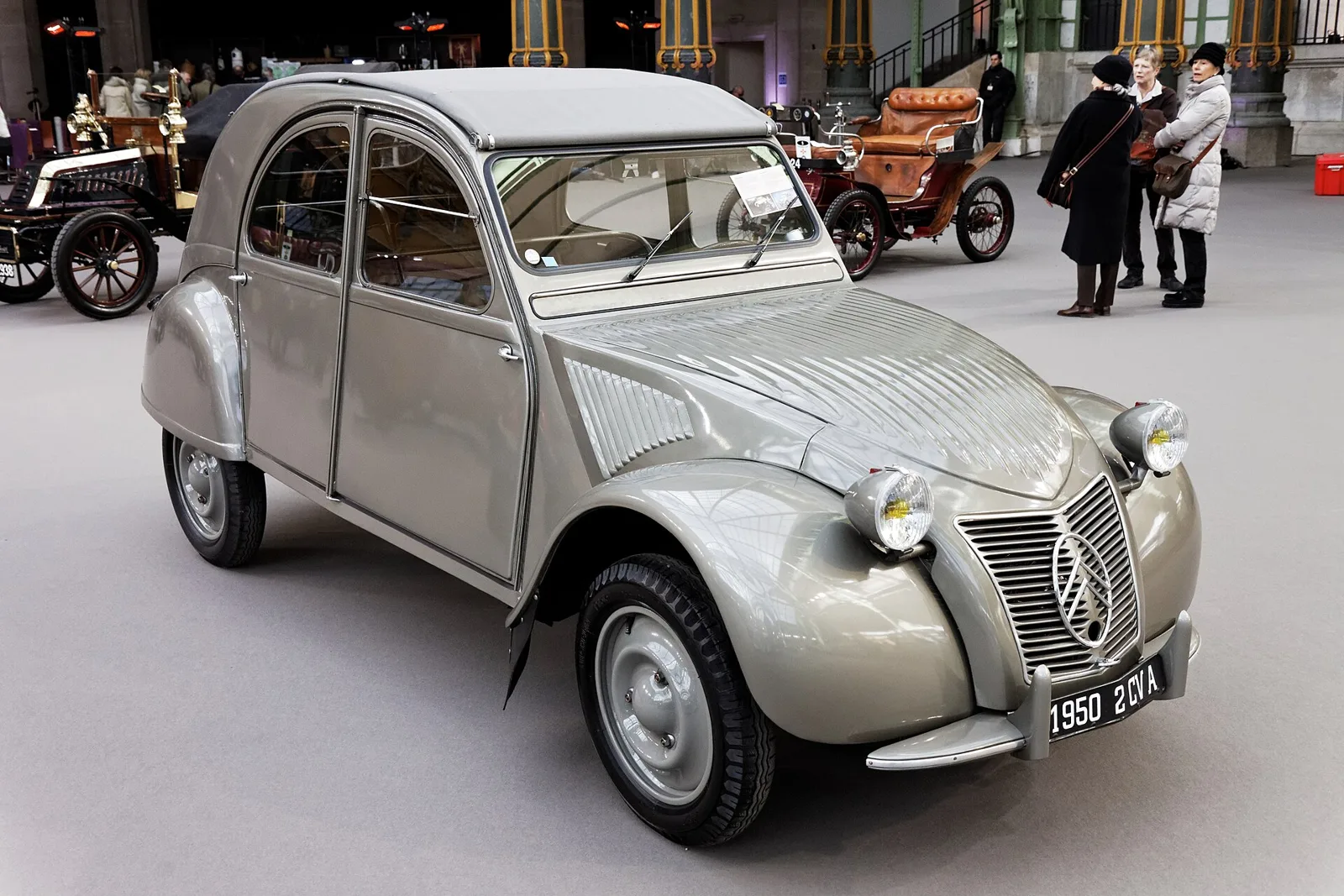
The first Berlingo was built on a floorpan borrowed from the Citroen ZX and the Peugeot 306 estate, and its mechanicals were shared too. Its boxy cargo area and aerodynamic front can be seen as a descendant of the Citroen 2CV panel van.
Today the van uses the EMP2 platform for its front end, while the rear end from the earlier version has been retained. That mix shows how the company carried over existing parts rather than starting each generation from scratch.
The link to the 2CV is a matter of design logic rather than direct inheritance. A rectangular load space and a practical front are easy to recognise in both vehicles, and the Caselani special later applied the same logic in a retro form.
Did the first generation have an electric version?
Yes. The first-generation Berlingo offered an electric version using a nickel-cadmium pack between 1998 and 2005. A later fleet for La Poste used the same chassis, with a ZEBRA molten salt battery paired with a Venturi powertrain, and it was delivered in 2010.
A hybrid prototype followed in 1998, the Berlingo Dynavolt. It used the electric base with 23 nickel-cadmium batteries instead of 28, and an LPG-fuelled 500cc twin engine from Lombardini acted as a range extender to recharge the pack.
Both experiments show that the van was tested with alternative power well before the electric versions that followed.
What changed in the second generation?
The second generation arrived in 2008 as two different models. A smaller van, the Nemo and Bipper, replaced the recently discontinued C15, while the larger Berlingo II and Partner II took over the main role. The Berlingo II was styled by Gilles Vidal.
Gilles Vidal's design rode on the PSA PF2 platform, which also underpins the Citroen C4. As a result the Berlingo II was a bit bigger and pricier than the car it replaced.
The Berlingo launched first in Europe in April 2008, and the Partner followed in May 2008. Mexico also sold the second generation next to the original Partner, and some markets used the names Grand Raid and Partner Origin.
Which engines did the range use?
The vans were designed to run on petrol, diesel, electric or CNG power, and the range has used four-cylinder petrol and diesel engines. Electric and CNG versions sit alongside those petrol and diesel units, and each engine choice depends on the version and the market.
On the European market the facelifted range uses a 1.2 Turbo Puretec 110 HP petrol engine, alongside 1.5 BlueHDi DV5 diesels with 100 and 130 HP.
A mild-hybrid Euro 7 model producing 122 HP was planned for the middle of 2025, which kept the petrol line-up moving forward.
How did the electric versions develop?
From 2013 an electric version of the second generation used a motor and battery based on those of the Mitsubishi i-MiEV. In March 2017 Citroen announced a five-seater e-Berlingo Multispace, and by 2022 several electric variants were on sale across the range.
On 14 January 2021 Citroen unveiled its electric e-Berlingo Van, with the Opel Combo-e Cargo and Vauxhall Combo-e arriving six days later. The Peugeot e-Partner followed six days after that, while the Peugeot e-Rifter appeared on 26 February 2021.
Toyota's electric ProAce City and its Verso sibling arrived on 4 May 2021. By then the electric line-up covered several brands.
What changed in the 2021 and 2023 updates?
A June 2021 update gave the passenger Multispace and Partner Patagonica barn doors in place of an imported tailgate, and more parts were made locally. The January 2023 facelift added an updated Citroen logo and a new plastic grille, and the Partner lost some chrome.
The Berlingo adopted the updated logo, and it left behind the sharp logo that had been in use since before 2009. The Partner took the same grille and lost the chrome around its front logo, so the two vans moved closer together visually.
The changes were modest, but they show how the company kept the van current without a full redesign.
Where was the Berlingo built?
Production of the pre-facelift models continued in Argentina until 2010, while European sales of the Berlingo and Partner ended in 2013. South American production carried on until 2026, and both light commercial and passenger versions were built there, which gave the family a much longer life in that region.
Russian sales of the second generation used several names, among them Partner Crossway, Berlingo Multispace and an exclusive Opel Combo Cargo.
Electric vans using the Venturi powertrain were assembled in Solesmes, Sarthe. The third generation went into production at Ellesmere Port in 2023, and Russia has built and sold the second generation since March 2021.
Passenger versions and their names
The passenger family is built around the Multispace and the Partner Combi, with the Partner Tepee and Peugeot Rifter joining for the third generation.
The Multispace and Combi began life as the Grand Large concept, which was the only one of the 1996 concepts to be developed. Their passenger roles set them apart from the panel vans, which do not carry rear seats or windows.
How did the third generation arrive?
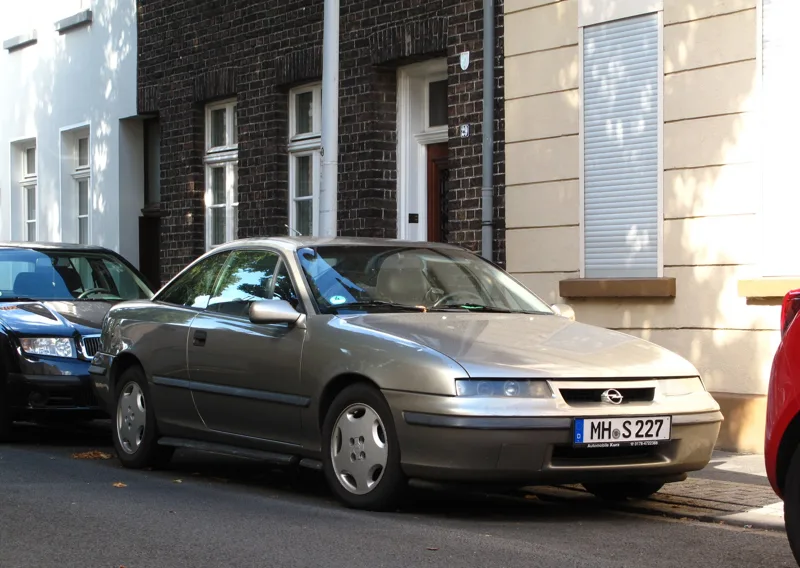
The third-generation Berlingo and the new Peugeot Rifter were unveiled together at Geneva's 2018 motor show. The model was built on the EMP2 platform, and it spawned sister vans under other badges. Those badges are the Opel and Vauxhall Combo, the Toyota ProAce City and the Fiat Doblo.
The same van was sold as the Opel and Vauxhall Combo after PSA bought Opel in March 2017. From 2019 Toyota sold it as the ProAce City, and Fiat offered the Doblo version from June 2022.
Toyota's ProAce City was shown in Birmingham in 2019, at a commercial vehicle show. The Fiat Doblo came in both combustion and e-Doblo electric versions, so the badge spanned the full powertrain range. Each brand kept its own name for the car, so one van was marketed through several badges at once.
The nameplate went on sale in Japan in October 2019, making the third generation the first Berlingo to reach that market. Pairing the Berlingo with the Rifter meant the passenger and commercial sides of the family shared a launch moment.
Why did the 2022 combustion decision matter?
In January 2022 Stellantis stopped marketing the diesel and petrol versions of its passenger vans in the UK, Norway and the EU. The decision was driven by the need to cut average CO2 emissions across the company's European range, in line with EU rules.
Panel vans were not affected by the change, and neither were the Toyota-badged models, which fit the CAFE objectives. Stellantis expected combustion passenger models to come back in 2023 with a mild-hybrid setup.
As of 2022, the Berlingo, Rifter and Combo Life were therefore offered only as battery electric cars in those markets. The rule shaped the passenger range far more than the commercial one.
Which variants stand out?
Caselani, an Italian coachbuilder, produced a retro-styled Berlingo that was inspired by the 1951 Citroen 2CV Fourgonnette. Only 200 were to be made, and the car made its debut at the 2022 Paris Motor Show. Its production was limited to a small run, and the car is a clear example of a special-build variant.
Manufacture of the Caselani car began in October 2022. Its retro body makes it a niche special, but it shows how the Berlingo's basic shape invites fresh bodywork.
Passenger models add rear seats and windows to the same basic van, so the difference between the two is largely one of fit-out.
Commercial and passenger versions remain the two broad families. Passenger models carry rear seats and windows, while commercial vans are built for cargo, so the choice between them is practical rather than stylistic.
The Partner Patagonica off-road version was launched in Argentina and sold in Europe under several names, including Ushuaia Grand Raid, Escapade and VTC.
Where does the Berlingo sit today?
The Berlingo's cargo box and its passenger variants gave it two audiences from the start. Its design story runs from the 2CV panel van through the first concept cars to the electric versions of today. Both roles remain visible in the current line-up.
The van's long run, its many badges and its electric line-up all point to a model that has been shaped by both trades and families. A reader comparing the first and third generations will see a clear progression in engines, batteries and badges.
What are the Berlingo specifications?
The table lists the core details for each generation, including launch dates, platforms, engine options and the electric milestones. Where a detail only applies to one generation or one version, the table says so to keep the families apart, so readers can compare generations at a glance.
| Item | Detail |
|---|---|
| Launch | July 1996, first shown at the Paris Motor Show |
| Platform today | EMP2 front end, previous rear end retained |
| Second generation | Berlingo II on the PSA PF2 platform, unveiled January 2008 |
| Third generation | Unveiled at the 2018 Geneva Auto Show |
| Engines | Petrol, diesel, electric and CNG; four-cylinder petrol and diesel |
| First-generation electric | Nickel-cadmium battery, 1998 to 2005 |
| Facelift engines | 1.2 Turbo Puretec 110 HP; 1.5 BlueHDi DV5 with 100 and 130 HP |
| European discontinuation | First generation from 2013 |