A pandemic, an emissions scandal and a changing public rebuilt the three biggest motor shows in a few years. How Detroit, Tokyo and Frankfurt got here.
Detroit, Tokyo and Frankfurt grew into the world's biggest motor shows, then changed. The IAA left Frankfurt for Munich in 2021, Detroit skipped 2024 and returned to January in 2025, and the Tokyo Motor Show became the Japan Mobility Show in 2023.
Between 2019 and 2025, Frankfurt lost its motor show, Detroit went a whole year without one and Tokyo's show dropped its name. Three of the biggest events in the car calendar were all rebuilt in the space of a few years, and none of them did it by choice alone.
Each has a long story of growth behind it, from a handful of cars in a Berlin hotel to crowds of more than a million. Each then met some mix of a pandemic, an emissions scandal, absent manufacturers and a changing public. The details of how the Detroit Auto Show, Tokyo Motor Show and Frankfurt Motor Show got there explain what a motor show is now for.
How did the Detroit Auto Show begin?
The Detroit show dates to 1899, when William E. Metzger helped organise it, making it only the second show of its type after Paris in 1898. A 1907 edition took place at Beller's Beer Garden in Riverside Park, and from then on it ran every year apart from 1941 to 1953. For decades it was a regional affair. International makers first exhibited in 1957.
The change came in 1987, when the Detroit Auto Dealers Association, which organises the show, proposed taking it international. Members travelled to Europe and Japan to persuade manufacturers to unveil new brands and vehicles in Detroit. It worked. In 1989 the event became the North American International Auto Show, or NAIAS, and it was the first show in the United States, and the only one until 2006, to be sanctioned by the OICA, the body that recognises the world's leading motor shows.
Since 1965 it has been housed in the building now called Huntington Place, formerly Cobo Center, where it fills 93,000 square metres (nearly 1 million square feet). Before that it moved around Metro Detroit, using the Light Guard Armory, the Wayne Gardens pavilion and the Michigan State Fairgrounds.
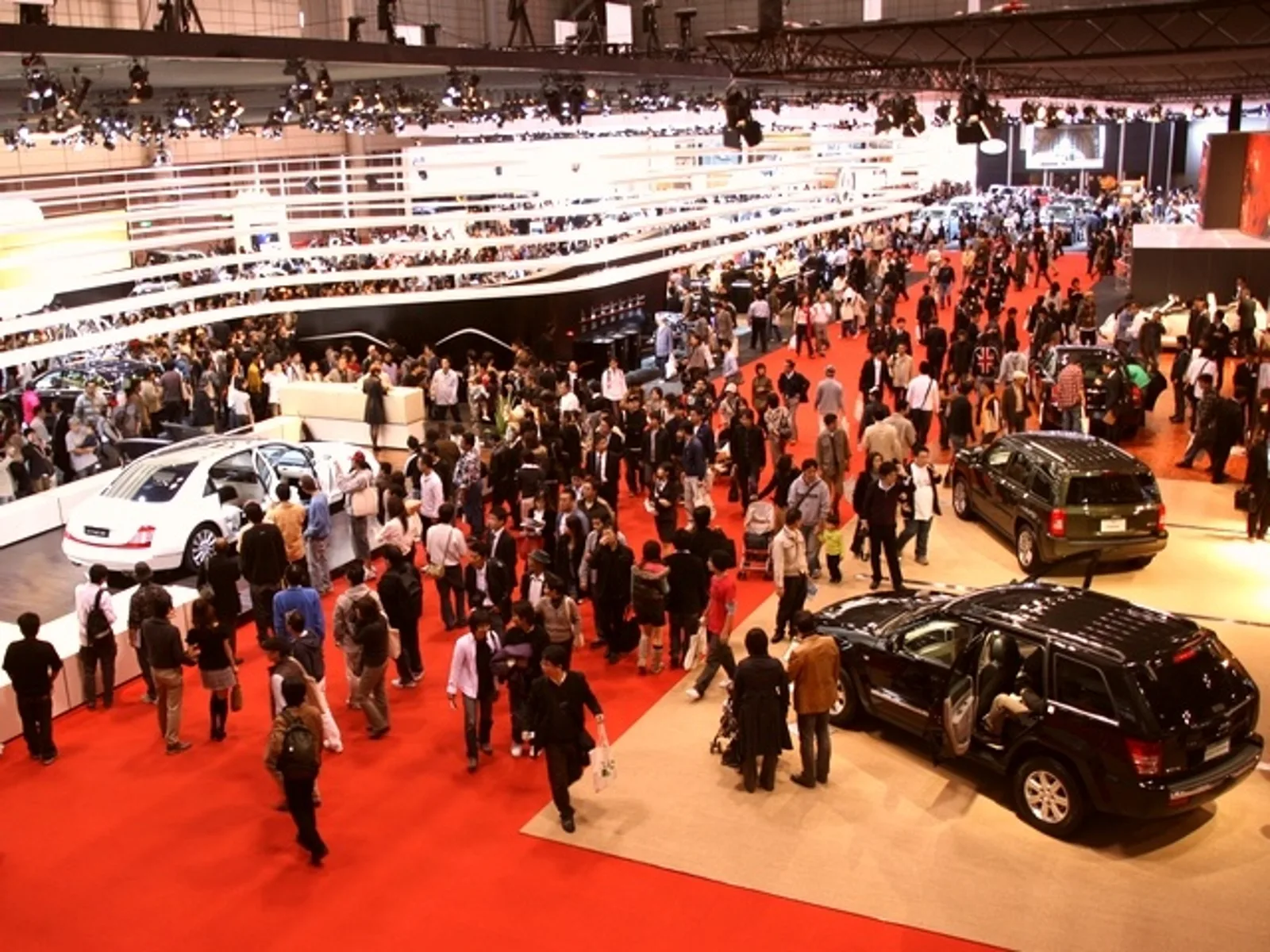
At its height it was huge. The record attendance of 838,066 came in 2003, and 2016 brought 815,575 ticketed visitors after 803,451 in 2015. In 2016 the media preview drew 5,068 journalists from 60 countries, with 39,788 people from 25 countries and 2,000 companies at the industry preview. The charity preview, a black-tie fundraiser for children's charities, drew 17,500 guests at $400 a ticket in both 2004 and 2005 and raised $7 million between those two years. The show is estimated to put over $500 million into the local economy.
Each was rebuilt by some mix of a pandemic, an emissions scandal and exhibitors who stayed away.
Why did the Detroit Auto Show lose its footing?
Absence was the first symptom. The 2019 edition, held from 19 to 27 January, opened by lowering a 2020 Shelby GT500 from the hall's ceiling, but Audi, BMW and Mercedes-Benz were missing, after Porsche, Jaguar, Land Rover and Volvo had already stayed away. Only 30 cars were launched in the previews, against 69 the year before. Revivals made up some of the gap: Chevrolet, Ford, Honda, Jeep and Toyota brought back discontinued names, including the Toyota GR Supra and a mid-size Ford Ranger. Ford and Volkswagen Group used the show to announce an alliance on vans and mid-size pick-ups.
The organisers tried a bolder answer. In 2018 they planned to shift the show from January to June from 2020, hoping to draw more visitors and add outdoor events, including a street-level plaza centred on Woodward and Jefferson avenues and a festival called Motor Bella for European supercars. Then the pandemic arrived. The June 2020 show, scheduled for 13 to 20 June, was cancelled in March, and the convention hall became a FEMA field hospital.
A move to late September 2021 collapsed as well. Motor Bella went ahead as a partial substitute, an outdoor enthusiast event at the M1 Concourse in Pontiac, Michigan, from 21 to 26 September. Executive director Rod Alberts said the pandemic's disruption and its effect on budgets meant the show had to be delivered more cheaply.
The show returned to downtown Detroit in September 2022 with a new layout: main exhibits indoors at Huntington Place and supporting events outside in Hart Plaza. President Joe Biden visited the media preview. Only Stellantis, Ford, General Motors, Toyota and Subaru took major stands; Volkswagen had a small display in the lobby, and Nissan, Hyundai and Mercedes-Benz put cars on the floor without a branded exhibit. For the plaza, Stellantis hired a giant rubber duck billed as the world's largest, in recognition of Jeep ducking. The test tracks that began at Motor Bella came with it, including a Ford strip for the F-150 Lightning and a hill for the Bronco.
The 2023 edition, held from 16 to 24 September, overlapped with the start of the United Auto Workers strike against Ford, General Motors and Stellantis, which were its three largest exhibitors. The union held a rally outside the hall on the night of the charity preview, though it set up no picket line and urged no boycott. Inside, the new Powering Michigan EV Experience let visitors ride in electric cars from GM, Ford, Volkswagen, BMW and Tesla, and Tesla's presence marked its first appearance since 2015.
What happened to the Detroit Auto Show in 2024 and 2025?
No show was held in 2024, because organisers moved the event back to its old January slot. The 2025 edition ran from 11 to 20 January, entirely indoors, and the show was rebranded as the Detroit Auto Show. Full stands came from Ford, GM, Kia, Stellantis, Toyota and Volkswagen, while BMW, Honda, Hyundai, Mazda and Mercedes-Benz relied on displays organised by local dealers, as did Ineos, appearing in Detroit for the first time. A separate hall called The Gallery held exotics.
Test tracks filled part of the floor, among them an electric-vehicle ride featuring Rivian in its Detroit debut, a new Detroit Grand Prix track, the Bronco off-road course and Camp Jeep. New cars were scarce, a result partly of the fading appeal of auto shows in North America and partly of a clash with the Consumer Electronics Show, which pulled in a number of concepts and production reveals. Ford alone revealed new vehicles, the Mustang RTR prototype and a Mustang GTD Spirit of America edition, at its own press conference on 9 January.
The 2026 public show ran from 17 to 25 January, with media and industry days on the 14th and 15th and the charity preview, with Robin Thicke performing, on 16 January.
How did the Tokyo Motor Show start?
The Tokyo show began as the All Japan Motor Show at Hibiya Park, from 20 to 29 April 1954. It drew 547,000 visitors over ten days, with 254 exhibitors and 267 vehicles, but only 17 of those were passenger cars. Trucks, buses and motorcycles dominated, a sign of how few families owned a car. The most prominent cars included the Austin A40, the Hillman Minx and Renault's brand-new 4CV, alongside Japanese models such as the Prince Sedan AISH, the Toyopet Super RH and three-wheelers from Daihatsu.
Passenger cars took over by 1956, helped by a government "people's car plan" that called for a four-seater able to reach 100 km/h (62 mph) and sell for 150,000 yen. The target was unrealistic, since that was twice the average income but only a fifth of what a typical car cost, yet it gave makers a reason to push their prices down. The 1957 show saw the first Toyota Corona and Prince Skyline and a Datsun Sports prototype, and the Subaru 360 was the hit of 1958.
Moves followed the crowds. Subway construction pushed the 1958 show to the Korakuen Bicycle Racing Track, and in 1959 it went indoors at the newly opened Harumi Showplace, three times the size of Hibiya. By 1961 visitors topped 900,000, as an Income Doubling Plan gave Japanese households the idea of owning a car, a colour television and an air-conditioner. The 1962 show was the first to attract more than 1 million visitors, with 410 vehicles from 284 exhibitors. Honda unveiled its first cars, the Sports 360 and 500. More than 10,000 cars a day headed for the venue, so the street from Ginza was made one-way and boats ran from Takeshiba Pier.
By 1964 the show was renamed the Tokyo Motor Show, as three foreign carmakers joined in advance of looser import rules. That year brought the Nissan Fairlady 1500 and the Mazda Cosmo, a month before the Olympics, and Toyo Kogyo, as Mazda was then called, had shown its rotary engine series in 1963. The 1965 show came right after import liberalisation on 1 October, and Japanese makers answered with luxury cars such as the V8-engined Nissan President and Toyota Crown.
Why is the Tokyo Motor Show now called the Japan Mobility Show?
The renaming of 2023 followed years of searching for a format. An energy crisis led organisers to suspend the 1974 show, after which the event went biennial. It moved to Makuhari Messe in 1989 and to Tokyo Big Sight in 2011. It went annual from 2001 to 2005 because of public demand for everyday vehicles and a show dominated by concept cars, but since 2007 it has been biennial again, combining passenger and commercial vehicles with motorcycles and parts.
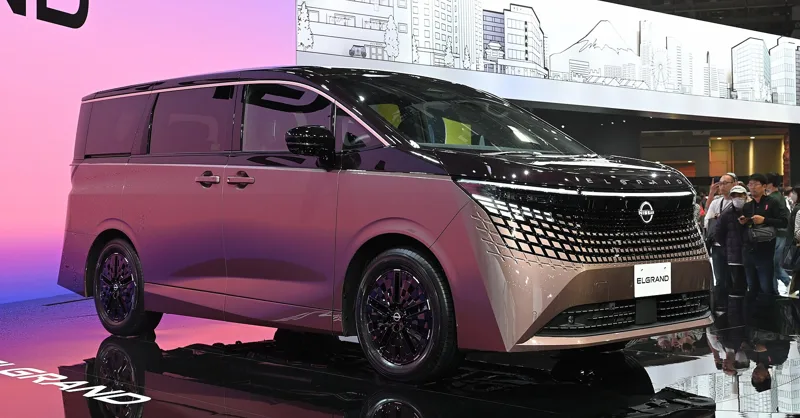
Attendance slid for several editions, then the 2019 show recorded almost double the 2017 total, a rise credited to widening the scope beyond cars. The 2021 show was cancelled because of the pandemic, the first cancellation in its 67-year history. The 2023 event, which took in other industries linked to cars, carried the new name Japan Mobility Show. Hosted by the Japan Automobile Manufacturers Association in October and November, it normally shows more concepts than production cars, which is why the motoring press ranks it among the big five alongside Detroit, Geneva, Frankfurt and Paris.
Where did the Frankfurt Motor Show come from?
The Frankfurt show is the Internationale Automobil-Ausstellung, or IAA, and it started in Berlin. The first, in 1897 at the Hotel Bristol, displayed just eight motor vehicles. It became a fixture, held at least once a year and twice a year from 1905 to 1907, was suspended during the First World War and returned in 1921 with 67 manufacturers showing 90 vehicles. The 22nd IAA in 1931 drew 295,000 visitors and included front-wheel-drive cars for the first time. In 1939 the 29th edition set a record of 825,000 visitors and presented the new Volkswagen that became the Beetle. War then suspended it again.
After the Second World War, with Germany and Berlin divided, West German makers showed at an export fair in Hanover from 1947 to 1949. In 1951 the German motor industry association, the VDA, moved the IAA to Frankfurt, and the state of Hesse bought shares in the Messe Frankfurt. The April show drew 570,000 visitors, and a second show in Berlin that September drew 290,000. After that, Berlin lost the show for good and Frankfurt hosted it every other year.
By 1989 the site was bursting. Almost 2,000 exhibitors squeezed onto 252,000 square metres, and more than 1.2 million visitors came. The VDA split the event, with passenger cars in odd years and commercial vehicles in even ones. The first cars-only show, in 1991, had 1,271 exhibitors from 43 countries and over 935,000 visitors, and the first commercial-vehicle show followed in Hanover a year later with 1,284 exhibitors and 287,000 people.
Frankfurt also kept going through trouble. After the 11 September attacks in 2001, the show went ahead but dropped its opening ceremony and loud music, and more than 800,000 visitors came to what was called the quiet IAA. The 2009 edition, in the Great Recession, drew about 850,000 people against a target of 750,000. The 2011 show introduced a Hall of Electric Mobility, a first for any motor show.
Why did the IAA leave Frankfurt?
Dieselgate broke in the second week of the 2015 show, when exhibitors still numbered above 1,000 and visitors reached 931,700. In 2017, the first show since the emissions scandal, exhibitors fell below 1,000 for the first time and visitors dropped to 810,000, the lowest since 2001. By 2019 the IAA itself drew only 560,000 visitors, counting the New Mobility World side event, and 873 exhibitors.
Prestige names had vanished. Rolls-Royce, Ferrari, Bugatti, Bentley and Aston Martin, the marques that pulled the biggest crowds, skipped several editions, and BMW trimmed its space from 11,000 to 3,000 square metres. Protests grew as well. Organisers counted 25,000 people at a 14 September demonstration for a change in traffic policy, 18,000 of them on bicycles, while the police put the figure nearer 15,000.
New Mobility World, a platform for electric mobility, autonomous driving and connectivity launched in 2015, was the one part of the show that kept growing: 250 organisations in 2017 and over 400 in 2019, with attendance doubling to 500,000. The VDA let its contract with Messe Frankfurt expire in 2019 and chose not to renew it. Seven cities bid for the next show; Berlin, Hamburg and Munich made the final three. On 3 March 2020 Munich won. It offered an airport that is a second Lufthansa hub, a home city for BMW, Apple and Google, 130,000 people employed in the car industry and the backing of the city council, the Bavarian government and two-thirds of survey respondents. The September 2020 show was cancelled for Covid, so the first IAA Mobility took place in September 2021.
The three shows compared
| Feature | Detroit | Tokyo | Frankfurt |
|---|---|---|---|
| First held | 1899 | 1954 | 1897 in Berlin; Frankfurt from 1951 |
| Current name | Detroit Auto Show | Japan Mobility Show | IAA Mobility |
| Former name | North American International Auto Show | Tokyo Motor Show | IAA Cars |
| Current venue | Huntington Place, Detroit | Tokyo Big Sight | Munich |
| Peak attendance quoted | 838,066 in 2003 | Over 1 million in 1962 | Over 1.2 million in 1989 |
| Cancelled | 2020 and 2021 shows, none in 2024 | 2021 | September 2020 show planned for Munich |
What does this mean for car buyers and fans?
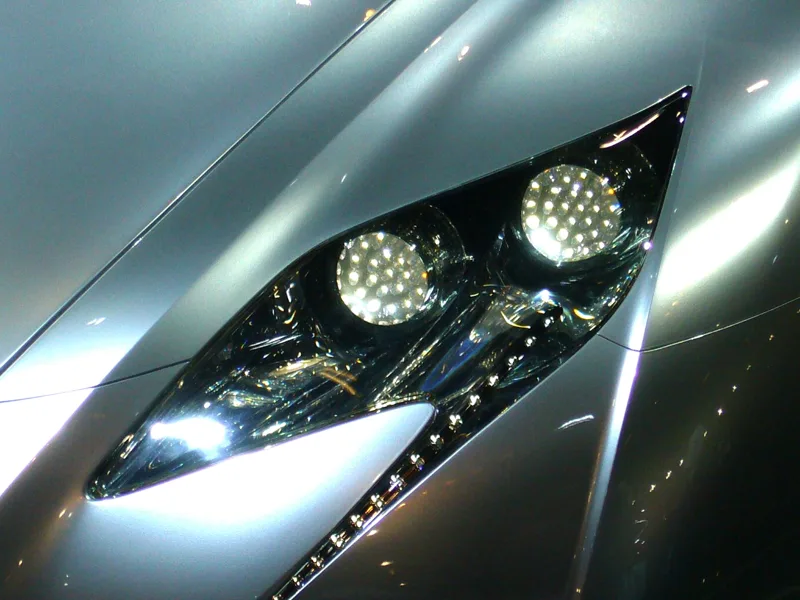
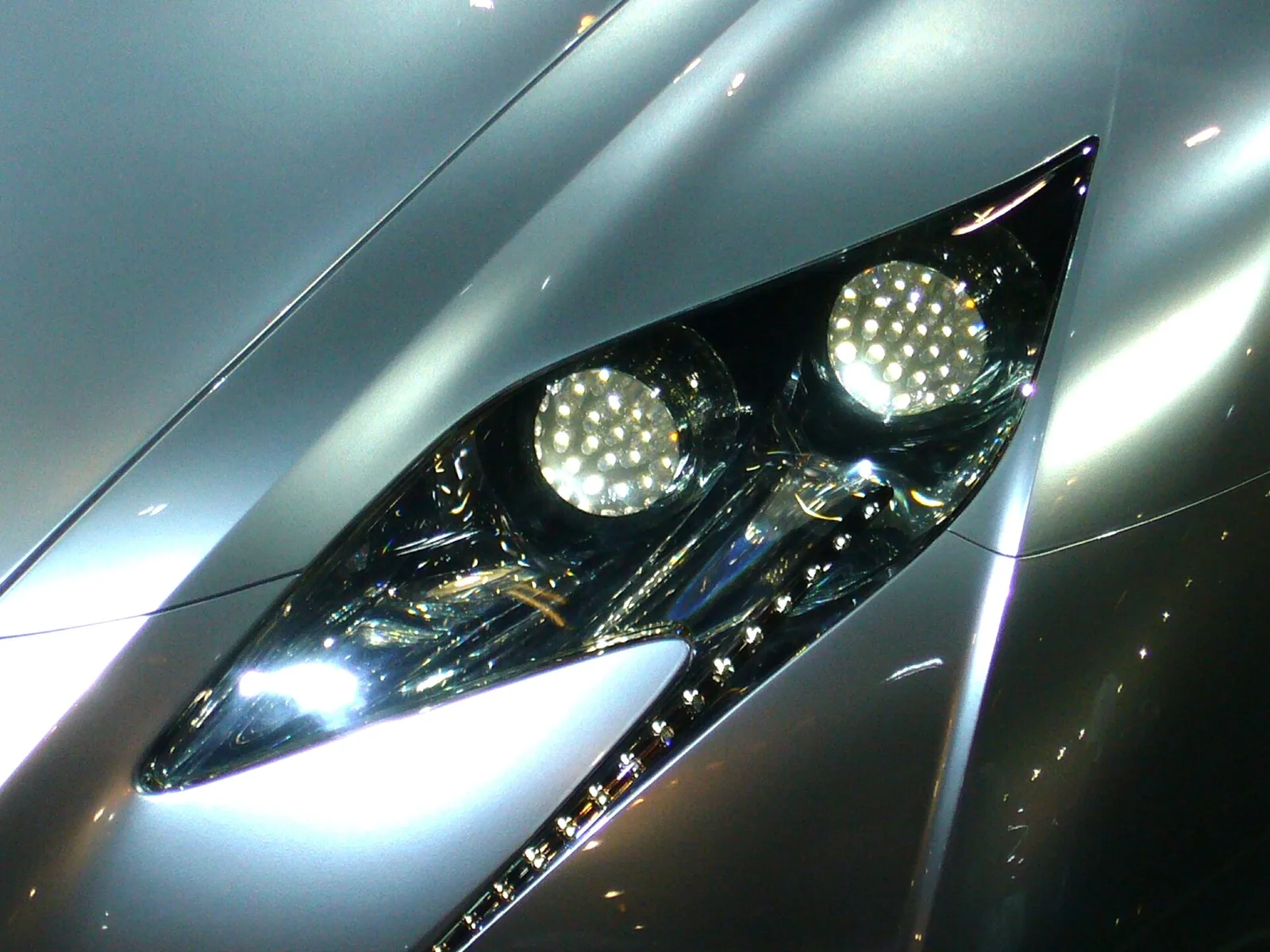
A motor show used to be where a car was first seen. Detroit in 2016 saw the Lexus LC 500, the Pacifica minivan and an Audi concept running on hydrogen on day one, and Frankfurt gave the world the Jaguar E-Type in 1961, the Mercedes-Benz 600 and Porsche 901 in 1963 and the BMW M3 in 1985. Today the reveals can happen elsewhere: in 2025 the Consumer Electronics Show took several, and Ford held its own press conference.
What the shows offer instead is a chance to sit in cars, ride in electric vehicles on indoor tracks and compare many brands in a day. Tokyo, with its habit of showing more concepts than production cars, remains the place to see where Japanese makers are heading.
What is the format of the shows now?
Detroit has settled for now on a January date and an all-indoor format, as its 2025 and 2026 editions show, with local dealers representing the brands that do not take full stands. Tokyo's Japan Mobility Show keeps its autumn, biennial slot at Tokyo Big Sight and a wider remit that takes in other industries linked to cars. The IAA has taken the New Mobility World model to Munich, putting conferences and new business formats alongside the exhibits rather than relying on booth rental.