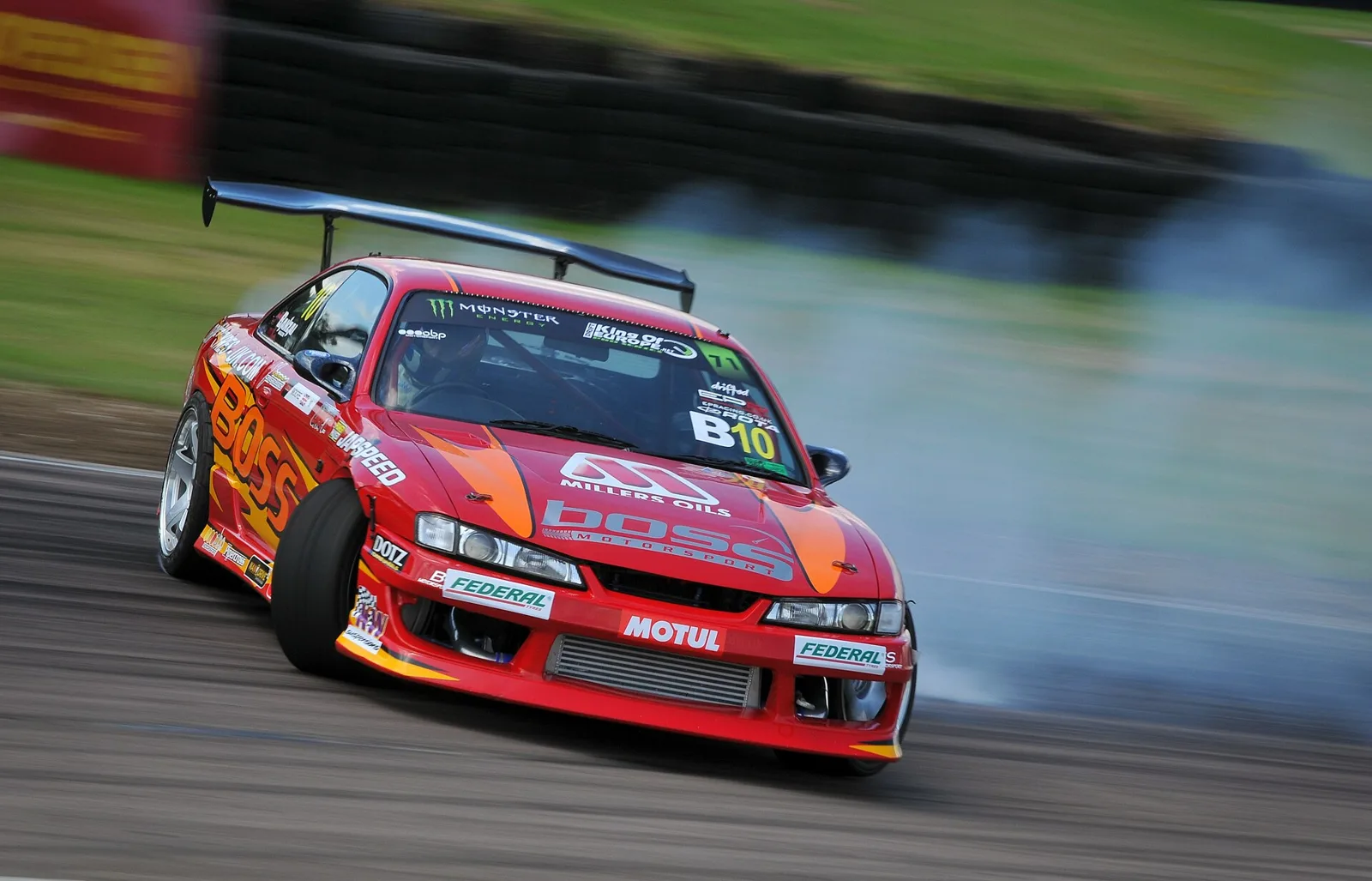
A word that once meant a mechanic's service came to describe Japanese imports, lowered show cars and a style of its own, with the law waiting at the end of the road.
Car tuning means modifying a car away from its factory purpose, and its culture grew from mechanics' tune-ups into the Japanese-import scene of the 1980s and 1990s. Stance, which stresses ride height, stretched tyres and negative camber, branched from it. Laws on construction standards and emissions limit what is allowed on public roads.
For most of the twentieth century, a tuned car simply meant one that had been to a mechanic. Then, a couple of decades before the millennium, the word took on a second life in the United States and began to describe young drivers reworking Japanese imports in car parks after dark.
What does car tuning mean?
Car tuning is the modification of a car so that it meets performance needs different from those it was designed for. Most often that means more engine power and sharper handling, though some owners chase better fuel economy or smoother response. The cost is frequently paid in emissions performance, component reliability and comfort.
Over time the word stretched. As a culture formed around modified cars, tuning came to cover the cosmetic and stylistic choices owners make to personalise a vehicle too. Some of those changes help the car work better. Others are purely visual, and a few make it perform worse than it did when it left the factory.
Stance asks a car to look as if it were built for the track while it sits in a car park.
Where did tuning culture come from?
Modification is as old as the car. The earliest cars were built one at a time by hand, so there was no real gap between factory, custom and aftermarket work. That gap opened as mass production spread, and with it came people who wanted something different from what the factory offered.
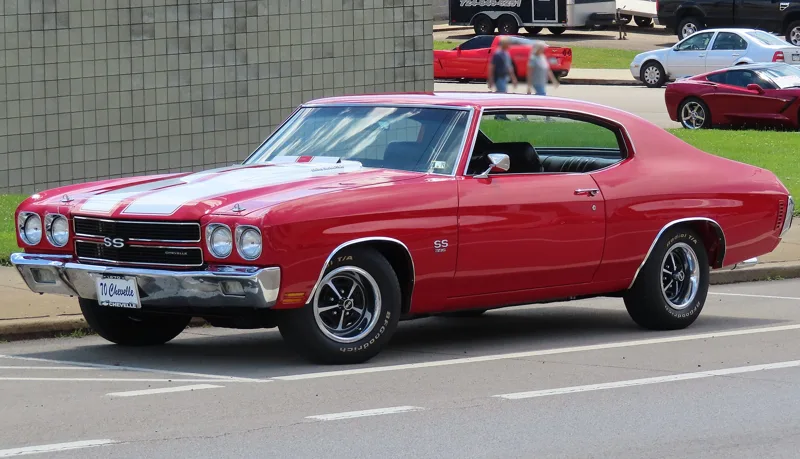
Racing and off-road use led the way. In the early 1900s the Ford Model T and Model A were popular starting points for cars built to run on dirt tracks and dry lake beds. From the late 1910s, the Kegresse track system fitted tracks to an ordinary car in place of the rear wheels, which gave some of the first dedicated off-road vehicles their traction. Chopping and channeling, techniques for reworking a car's aerodynamics and styling, were already fashionable from the 1940s.
The word itself had a humbler meaning. Through most of the century, tuning referred to the maintenance and adjustment of a car's engine, and a tune-up was a routine garage service. American drivers then gave "tuning" and "tuner car" fresh popularity in the 1980s and 1990s, describing people who modified foreign cars, typically Japanese ones. That was a deliberate contrast with the older American habit of customising domestic cars.
How do tuners change a car?
The essence of a tuner car is a large performance gain, or at least the look of one, from a stock vehicle. Most of the effort goes into the engine and its management systems. Once power rises, other parts have to cope, so stiffer suspension, wider tyres, better brakes and changes to steering and transmission usually follow.
Engine
Modern engines rely on an engine control unit to balance performance against emissions. Through the OBD communications protocol, many electronically controlled aspects of the engine can be altered in a process known as mapping. That can mean rewriting the software in the unit, which is chip tuning, or plugging in hardware that feeds it false data. Standalone management systems go further and replace the factory computer with one the owner can programme. A dynamometer is often used to record a baseline before the work and a result afterwards.
Hardware changes include forced induction, such as turbochargers and superchargers. This is where tuning turns risky. Pushing more air through an engine raises the pressures and temperatures inside the cylinders, and that can quickly carry it beyond its design limits. The list of possible consequences is a grim one: warped cylinder heads, disintegrated piston rings, bent connecting rods and crankshafts, total cooling failure, fire, knocking and seizure. Poorly executed work is expensive and dangerous.
Suspension and body
Shorter springs give more stiffness and a lower centre of gravity, but they can upset suspension geometry. Stiffer shock absorbers help weight shift in corners and normally have shorter internals so they do not bottom out. Stiffer anti-roll bars cut body roll and sharpen response, yet overdo it and the inside wheel lifts, which costs traction. By stiffening one end of the car more than the other, a tuner can steer the balance between understeer and oversteer.
Body work follows the same logic of trade-offs. Downforce raises cornering speed and tyre adhesion, usually at the price of extra drag. Lighter bonnets and mirrors cut weight. Aftermarket spoilers and body kits, however, rarely help: most add weight and drag and so reduce performance. Cutting stock springs is another common shortcut, and the result is a harder, bouncier ride rather than a better-handling car.
Inside and out
Tyres are the cheapest personal touch, because they wear out and have to be replaced anyway, and the choice trades cost, grip, life, rolling resistance, handling and comfort. Audio competitions reward the loudest, cleanest or most inventive systems. At the other extreme, some builders gut the interior and drop audio, air conditioning and soundproofing to save weight. Detuning is the reverse move: returning a car to factory form, or backing off in one area, perhaps to give the tyres a chance of using all the power on a track with too little grip.
How did the import scene take off?
The import scene, also called the import racing scene or tuner scene, is a subculture built on modifying mostly Japanese cars, above all in the United States and Europe. Its soil was Southern California, where young people had been modifying cars since the hot rods of the 1950s and 1960s and the muscle cars of the 1970s.
There is evidence that import drag racing began there in the mid-1960s, with modified Volkswagen Beetles, Ford Populars and Austin A40 Devons. Quarter-mile times from those cars appeared in Hot Rod Magazine as early as August 1965. Puerto Rico pioneered the pastime in the mid-1970s and 1980s, and it remains popular on the island.
By the late 1970s and early 1980s, small Japanese cars were taking over the streets of Southern California: the Honda Civic and Prelude, the Toyota Celica, Corolla and Supra, the Datsun 510 and the Mazda RX-2 and RX-3. The first known weekend late-night meeting place was the parking lot of the Meiji Market in Gardena, surrounded by Japanese retailers serving the local communities. Young Asian-Americans and first-generation Issei street racers from Japan and Okinawa played an especially important part, copying trends from Japan in paint schemes, exhausts and carburation. As word spread, non-Japanese clubs arrived from well beyond the South Bay, roughly between 1983 and 1986. One account puts the arrival of Japanese-styled cars even earlier, in 1973, so the details of the start differ by telling.
Growth was explosive. The scene boomed in the 1990s and 2000s as more Japanese cars were imported worldwide, performance improved, and pop culture picked it up through the Fast & Furious films and the Need for Speed games. Meets spread to Carson and Long Beach, and drag events at Palmdale packed in more than 10,000 spectators a day. The first import drag racing circuit, Battle of the Imports, ran in the mid-1990s, and show car clubs from coast to coast competed hard. Japan's own scene reached the screen through Initial D, which centres on mountain pass racing, and Wangan Midnight, which deals with high-speed expressway racing.
What is stance?
Stance describes a car's suspension height and how its wheels sit in the arches. Two things set it: ride height, which comes from the suspension parts, and wheel position, which depends on rim size and offset. Tyre fitment matters too, both for looks and for function. The word is mostly linked to lowered sports cars, saloons and hatchbacks, although it can be applied to any vehicle, from pickups to off-roaders.
It is also the name of a subculture. A stanced car is lowered, usually on coilovers or air suspension, wears stretched tyres and often runs negative camber. Looks are normally the point. Some cars blend appearance with real handling, but many are show cars that rarely act as daily drivers or racers, because the extreme set-ups make them uncomfortable and sometimes unsafe on public roads.
The camber question
Camber compares the centreline of the wheel and tyre with the road. With negative camber, the top of the wheel leans in towards the middle of the car. Used sparingly it helps handling, because the tyre stays flatter on the road through a turn and more tread makes contact. In a straight line the same angle works against the car, with less tread down under acceleration and braking. Many drift cars run it on the front wheels for the extra steering angle they use. An ordinary vehicle sits at about 0.5 to 1 degree, while some owners in the stance community run up to 45 degrees.
Where stance came from
The word has described a suspension and wheel set-up since at least the 1970s. Some sources trace the style to motorsport, saying enthusiasts wanted to copy the low look of race cars with their stiff suspension and wide, light wheels. Others point to earlier custom culture and the idea of lowering a car for looks alone. One example is the taildragger, a lowered custom that emerged in the 1940s; Motor Trend described a Ford reworked by Brothers Custom to sit lower at the rear.
Where do VIP and Euro style fit?
Stance is related to Euro style and VIP style, and the origin of many of its key elements is often credited to Japan, where VIP style emerged. But other countries had comparable modification subcultures that grew largely on their own, so the true birthplace is hard to pin down. Euro style also appears among the modern styles listed alongside the import scene, lowriders, DUB and Cal Look, most of which are visual rather than performance driven.
Stance gatherings are held on most continents. Annual events include Stancenation, Worthersee Treffen, FittedUK, Wekfest, Ultrace and H2Oi, and stanced cars also turn up in numbers at SEMA, Tokyo Auto Salon and Osaka Auto Messe.
How do the main styles compare?
| Style | Core idea | Hallmark |
|---|---|---|
| Stance | Appearance first, low and wide | Coilovers or air suspension, stretched tyres, negative camber |
| Import scene | Modifying mostly Japanese cars | Street meets, drag racing, show clubs |
| Hot rod | Early hot rods of the 1930s and 1940s | Period-specific parts and finishes |
| Rat style | The rat rod look | A deliberately unfinished appearance |
| Lowrider | Adjustable ride height | Hydraulic or pneumatic suspension, individual wheel control |
| Euro, DUB, Cal Look | Modern visual styles | Mostly looks rather than speed |
Where does the law draw the line?
Many countries and municipalities have rules on vehicle modification. In Victoria, Australia, every vehicle must conform to construction standards that protect safety, and restrictions for P Plate drivers can stop young drivers using modified cars at all.
Emissions law is the other wall. Many developed countries have smog regulations that generally forbid engine and related changes unless the modifications themselves are certified, in the way production models are. An uncertified modification keeps the car off public roads even if it does not raise emissions.
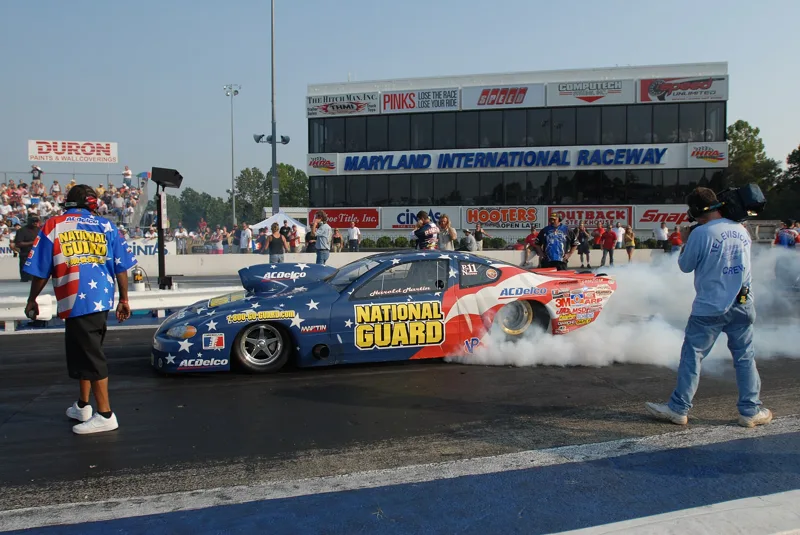
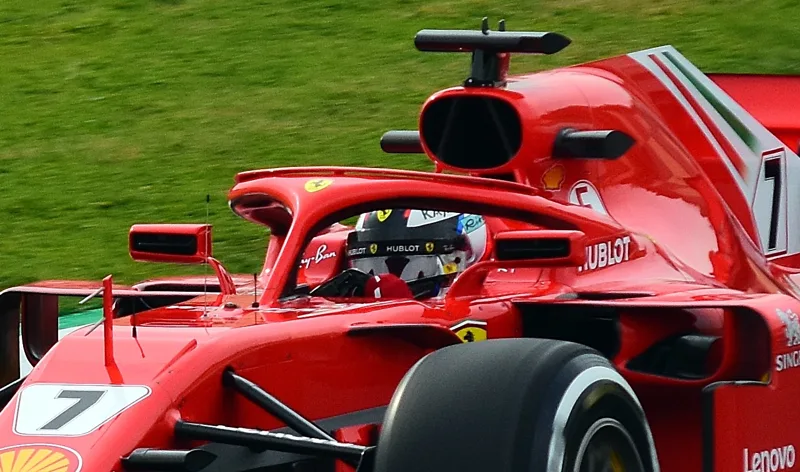
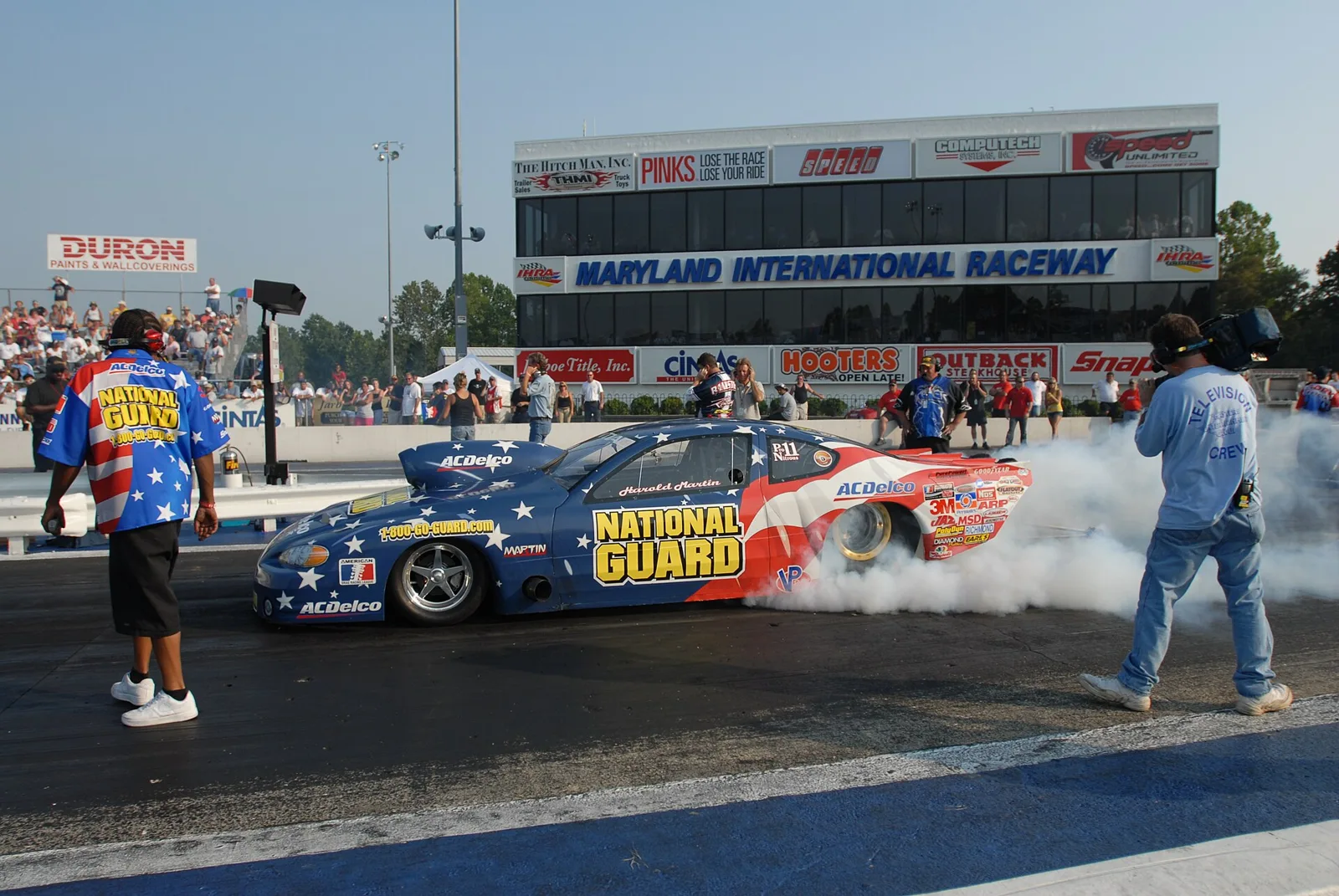
In motorsport the rules are written by sanctioning bodies such as the FIA, SFI, NHRA and IHRA, which set safety guidelines for events, series, tracks, vehicles and parts. The FIA is the largest international body, and its certification is required for a number of parts, especially safety equipment, in its own events and in many others. Race classes may also demand minimum weights, met with ballast, plus roll cages, fire extinguishers, reinforced seats and harnesses.